Honest arrival times
We call before we arrive, so you can wait somewhere safe.
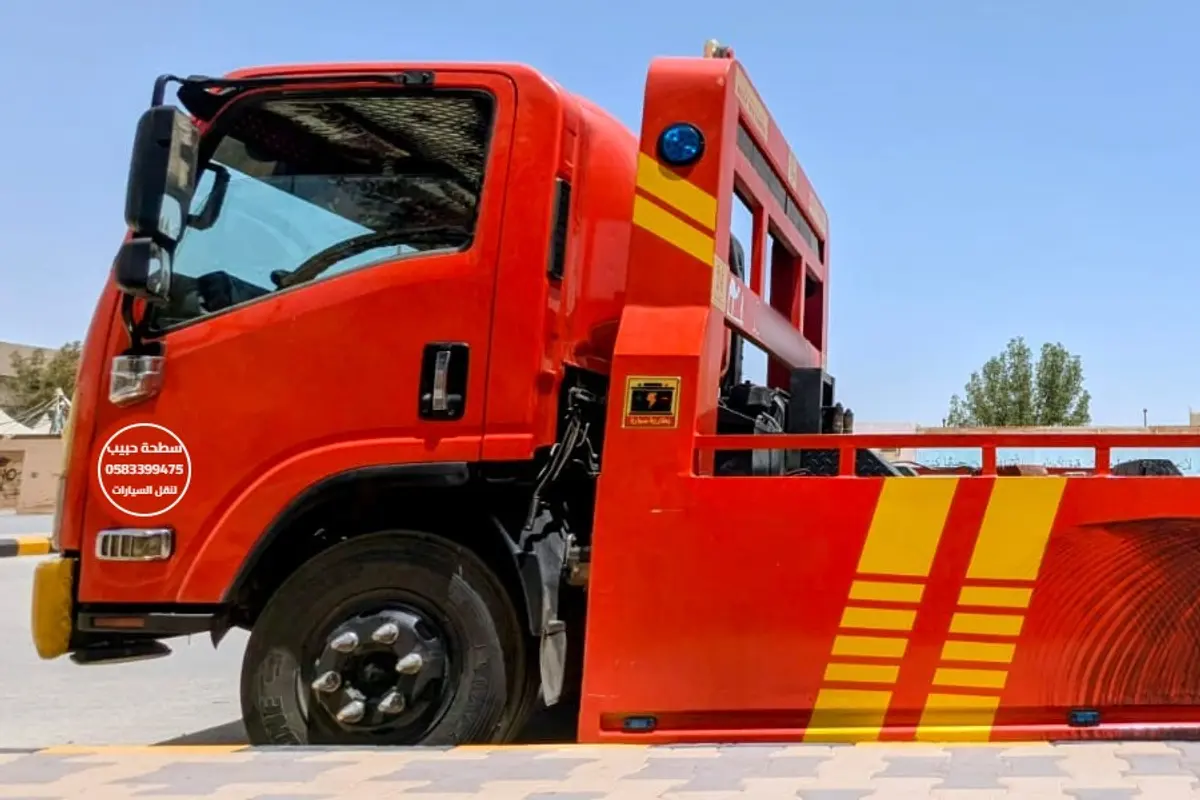
Sand and off-road recovery in Riyadh works best when the truck can stand on asphalt or a packed track and reach the stuck car with the winch line. That covers most cars caught in soft sand beside roads, camp entrances and desert tracks around Thumamah and the outskirts. We pull the car back slowly, check the tyres and either send you on your way or load it if it cannot drive. Recovery starts at 200 SAR.
We call before we arrive, so you can wait somewhere safe.
You agree the full price on WhatsApp before the truck moves.
No dragging on two wheels, so gearboxes and EV motors stay safe.
Same price at night and on holidays, paid once the car arrives.
A sand recovery is priced as one job covering the winch pull from firm ground and a basic check once the car is out. If the car then needs loading and carrying home or to a workshop, that leg is added at the standard distance rates and quoted with the recovery.
Before dispatch, we judge from your photos whether the truck can stand on firm ground within winch reach. If not, we tell you and suggest a desert 4x4 team.
A steady pull to a proper recovery point, in a straight line, with sand cleared from in front of the wheels first. No snatching, no rocking the car.
Everyone is kept well to the side of the winch line under load, and the beacon marks the work area, especially at busy camps and at night.
Once on firm ground, we look at the tyres, underside and steering. You get our honest view on whether the car is safe to drive.
If the car cannot be driven, it goes onto the flatbed for home or a workshop, quoted at standard distance rates on top of the recovery.
Sand and off-road recovery in Riyadh is the extraction of a vehicle stuck in soft sand, mud or rough ground, needed when the car cannot drive out under its own power without damage. Our method is straightforward. The flatbed parks on firm ground, the winch line is run out to a proper recovery point on the stuck car, and the car is drawn back slowly in a straight line while the driver steers. Once it reaches solid ground, we check the tyres and underside. If it drives normally, you leave. If something is damaged, it goes onto the bed.
We are honest about the limits. A flatbed is a road truck, not a desert 4x4. It cannot drive deep into the dunes or across soft sand to reach a car buried far from any firm surface. Most stuck cars around Riyadh are much closer than that, a few metres off a road, a camp entrance or a packed track, especially sedans and family SUVs that followed a 4x4 too far. For those, car recovery from soft sand near Thumamah and similar areas is quick and safe. For a car deep in the dunes, we will tell you on the phone that a dedicated desert recovery team is the right call.
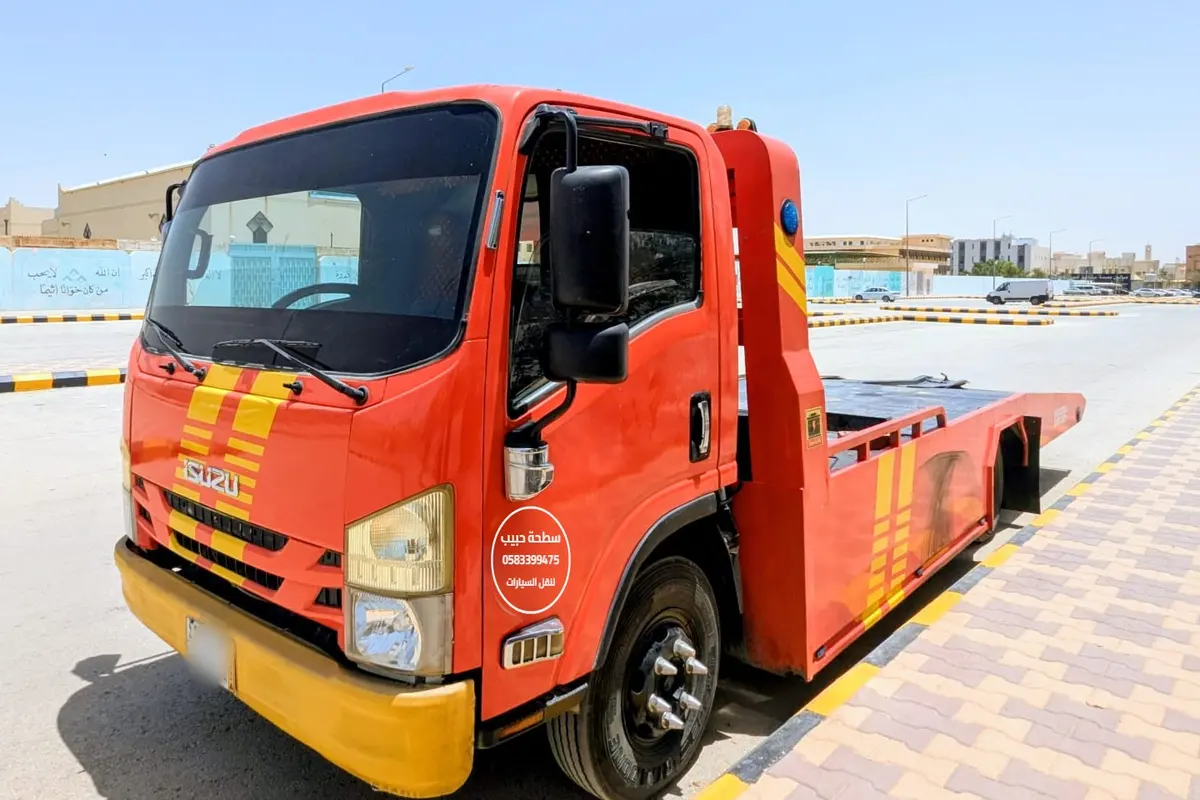
Send your live location pin and two photos to 0583399475: one of the stuck wheels, one showing the distance to the nearest asphalt or packed track. These tell us whether the truck can reach and how long the winch pull needs to be.
If the car is within winch reach of firm ground, we reply with a price, starting from 200 SAR, and an arrival time. If it is too deep, we say so honestly and suggest a desert 4x4 recovery instead. Nothing is booked until you agree.
We park on asphalt or a packed track, in line with the stuck car where possible. The beacon goes on, and anyone standing near the line is moved well to the side, because a winch line under load must never have people beside it.
Sand is cleared from in front of the wheels, the line is attached to a proper recovery point and the car is drawn back slowly in a straight line while the driver steers and keeps the engine off or idling in neutral. We stop and adjust if the car starts to dig in.
On firm ground we check the tyres, underside and steering. If all is well, you re-inflate tyres at the next station and drive on. If something is damaged, the car is loaded onto the flatbed and taken home or to a workshop.
Provides steady, controlled pulling force from firm ground to the stuck car, with no shock loads on tow points.
Connect the winch line to a sound recovery point or wrap a suitable structural part, spreading the load safely.
Clears sand from in front of the wheels and under the car so it can roll rather than plough as it moves.
Marks the recovery area at busy camps and on dark highway shoulders, keeping other vehicles and people aware.
Carries the car home or to a workshop if the recovery reveals damage that makes it unsafe to drive.
The truck works only from asphalt or a packed track. This keeps the truck itself from sinking and gives the winch a stable anchor, which is what makes the pull controlled and safe.
The car is pulled back the way it went in, along its own tracks where possible. Pulling sideways over ridges can damage the underside or roll the car onto its side on uneven sand.
Nobody stands beside a winch line under load or between the truck and the car. Bystanders at camps are moved well clear before tension goes on, and the area is watched throughout.
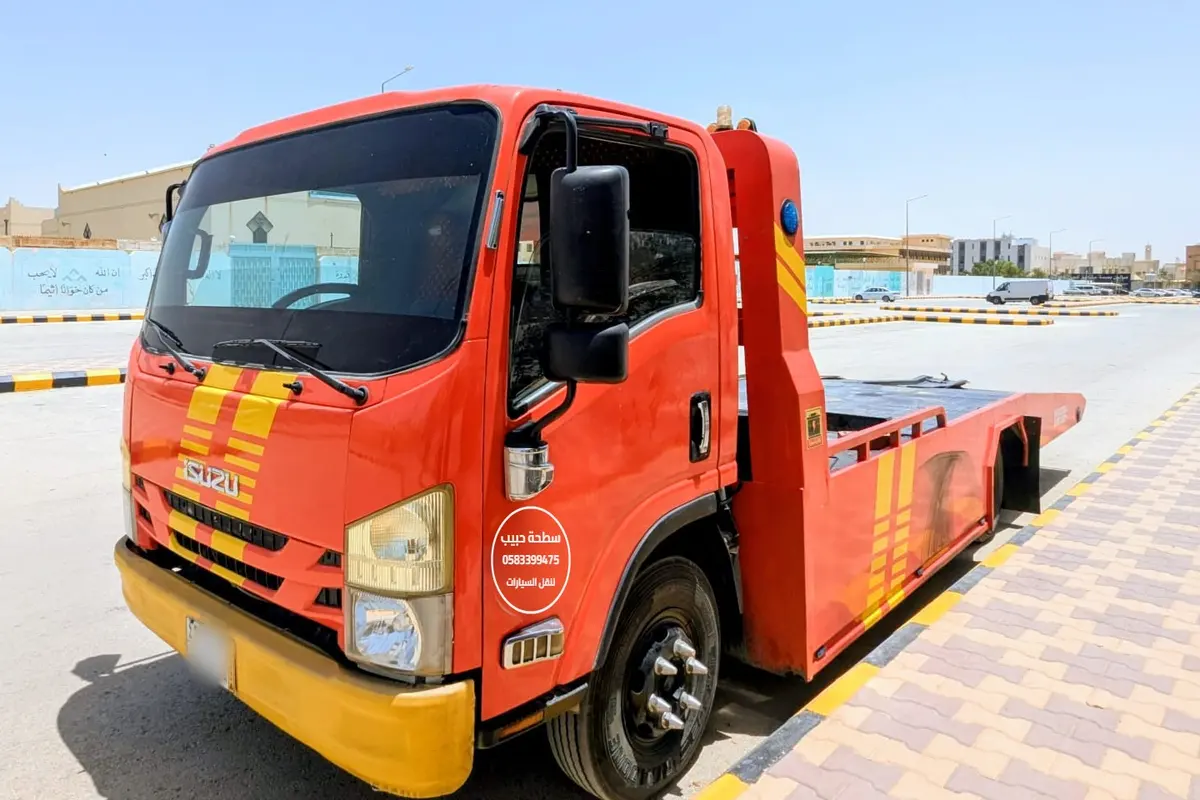
From the photos we confirm reach, arrive, clear sand from the wheels and winch the SUV back to the track while the driver steers. The family drives back to Riyadh within the hour, with tyres re-inflated at the first station.
We stand on the asphalt at the end of the street and winch the car out of the drift onto the solid road surface. The car is free in 20 minutes, with no damage to the clutch or underside.
From the photos we explain honestly that a road truck cannot reach it safely, and advise the owner to call a dedicated desert recovery team. The owner saves the wait and the call-out cost for a recovery that could not have worked.
Sand and off-road recovery in Riyadh peaks with camp season. From October, cooler evenings draw families and friends to Thumamah and other areas around the city, and recovery calls rise every weekend until spring. October sand is dry and loose after summer, which makes it easy to sink in, especially for sedans following 4x4s. Winter rain can firm the sand for a few days but turns low spots into mud that traps cars more firmly than dry sand. Spring brings dust storms that drift sand onto roads and unfinished streets in eastern districts like Al Rimal, catching cars overnight. Summer has fewer camp trips, but recoveries in midday heat are hard on people, so we tell drivers to wait in shade and give realistic arrival times. Pulling a car out of sand at a camp near Riyadh is usually simple when the car is near a track, and impossible for a road truck when it is deep in the dunes, so the photo you send first decides everything.
The main camp area north-east of the city. Most recoveries here are within winch reach of packed tracks or camp entrances.
Eastern district with unfinished streets that drift with sand after windy nights, catching cars on what looks like asphalt.
Rest houses and farms to the south with sandy access roads, where cars sink while parking or turning after dark.
Soft sandy shoulders through the Dahna sands, where cars that leave the road after a blowout often end up stuck.
Sand offers very little grip early in camp season, so more cars sink near tracks. Most are quick winch recoveries from firm ground.
Mud holds cars more firmly than sand. Winch pulls take longer and need careful line setup, and the car may need washing out underneath afterwards.
Unfinished streets and road edges in eastern districts can disappear under sand overnight, catching cars that drive onto them unaware.
A manual sedan sank in loose sand near a camp at Thumamah. The driver spent 20 minutes revving and rocking the car, and a burning smell started from the clutch.
We arrived, told the driver to stop, cleared the sand and winched the car back to the packed track. The clutch cooled and the car drove home, needing no repair.
Prevention: Stop at the first sign of wheelspin. Lower tyre pressure, clear sand and try once gently, then call for a winch rather than revving.
A family SUV parked on an unfinished street in Al Rimal was half buried by sand after a windy night, with the front wheels deep in a drift.
Standing on asphalt at the end of the street, we winched the SUV out in 15 minutes. The owner drove to work with no damage to the car.
Prevention: Avoid parking on unfinished or sandy streets when strong winds are forecast, especially in spring.
A sedan was stuck deep among dunes about 2 km from the nearest track after following friends in a 4x4. The owner asked for a tow truck.
From the photos we explained that a road truck could not reach the car safely and recommended a desert recovery team, who freed it within two hours.
Prevention: Do not follow 4x4s into dunes in a sedan or a two-wheel-drive SUV. Stay on packed tracks unless your car is built for sand.
Getting stuck in sand happens to experienced drivers too. What turns it into an expensive day is usually the rescue attempt. Here are the situations we see most, and how sand and off-road recovery in Riyadh handles them.
Low ground clearance and two-wheel drive mean the car sinks fast, and spinning the wheels can burn the clutch or overheat the gearbox within minutes. We stand on the packed track, clear sand from the wheels and winch the sedan back in a straight line. The driver steers, the engine does not have to work, and the car leaves under its own power.
Snatch pulls can tear tow points and bumpers, and a snapping rope can strike people or glass at high speed. We attach to a sound recovery point or a secure strap around a suitable structural part, then apply steady winch tension. The car comes out without shock loads, and nobody stands near the line.
The car sits at an angle on soft ground beside fast traffic, where waiting and attempts to drive out are both risky. We park on the shoulder with the beacon on, place a triangle behind and winch the car back up onto firm ground, then check it before the driver continues or we load it.
From 200 SAR, plus standard distance rates if loading is needed
Sand and off-road recovery in Riyadh starts from 200 SAR in 2026 when the truck can stand on firm ground within winch reach of the car. The price rises with distance from the city, the depth of the car and the length of the winch pull. If the car needs loading and carrying home or to a workshop afterwards, the standard distance rates apply on top.
A controlled winch pull costs far less than the clutch, gearbox or tow point damage that spinning, rocking and snatching can cause in a few minutes.
Recoveries near the city edge cost less than those far out along highways or deep in camp areas, because of the travel time involved.
A car sunk to the hubs comes out more easily than one resting on its belly. Deeper cars take longer and need more sand clearing.
A car a few metres from the track is quick. A longer pull takes more setup and time. Photos help us quote accurately.
If the car is damaged and needs carrying away, the trip is added at standard distance rates, quoted together with the recovery.
Habib Satha Towing has recovered cars from soft sand around Riyadh's edges for years, as part of 10 years in towing. Most calls come from the same kinds of places: camps and tracks around Thumamah, new districts in the east where unfinished roads drift with sand, rest-house access roads in the south and the soft shoulders of the outbound highways. The pattern repeats, and so does the method that works.
Sand recovery starts from 200 SAR in 2026 when the truck can stand on firm ground within winch reach of the car. The final price depends on distance from Riyadh, how deep the car is and whether it needs loading afterwards. Send photos of the stuck wheels and the nearest firm ground, and we quote in writing before setting off.
No. Our flatbed is a road truck and must stand on asphalt or a packed track to work safely. Cars buried deep in dunes, far from any firm surface, need a dedicated desert 4x4 recovery team. We tell you this from the photos before anyone sets off, so you do not lose time waiting for the wrong help.
Yes, lowering pressure to around 15 to 20 PSI helps tyres spread over sand. Clear sand from in front of the wheels, keep the steering straight and drive out gently. Stop if the car digs deeper. Re-inflate before driving on asphalt above 60 km/h, as soft tyres overheat at speed.
Yes, if the truck can stand on firm ground nearby. The amber beacon lights the work area, and we take extra care with line safety in the dark. Night recoveries cost the same as daytime. In dunes far from firm ground, a night recovery is not safe for a road truck.
Question not here? Send it on WhatsApp to 0583399475 and we reply at any hour.
Ask us on WhatsApp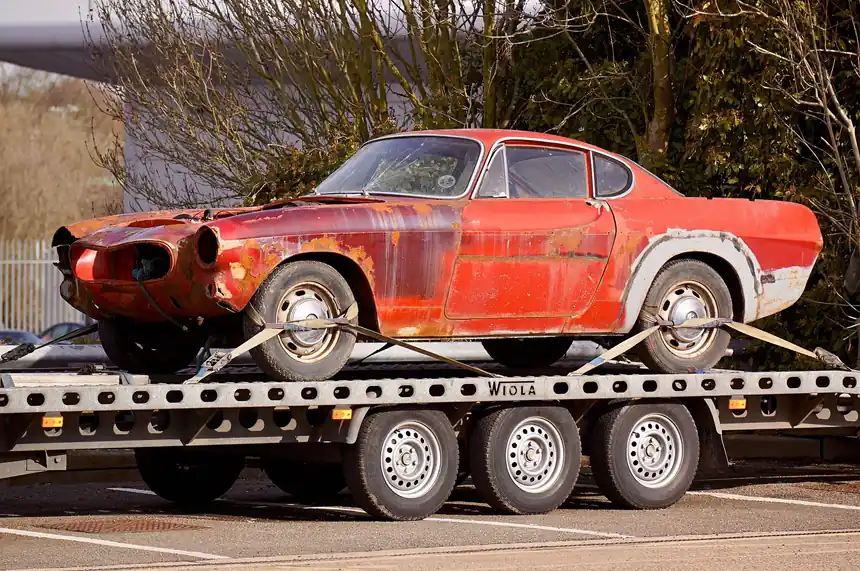
If the car cannot drive after being pulled out, it goes straight onto the flatbed for the trip home or to a workshop. The same truck does both jobs.
View service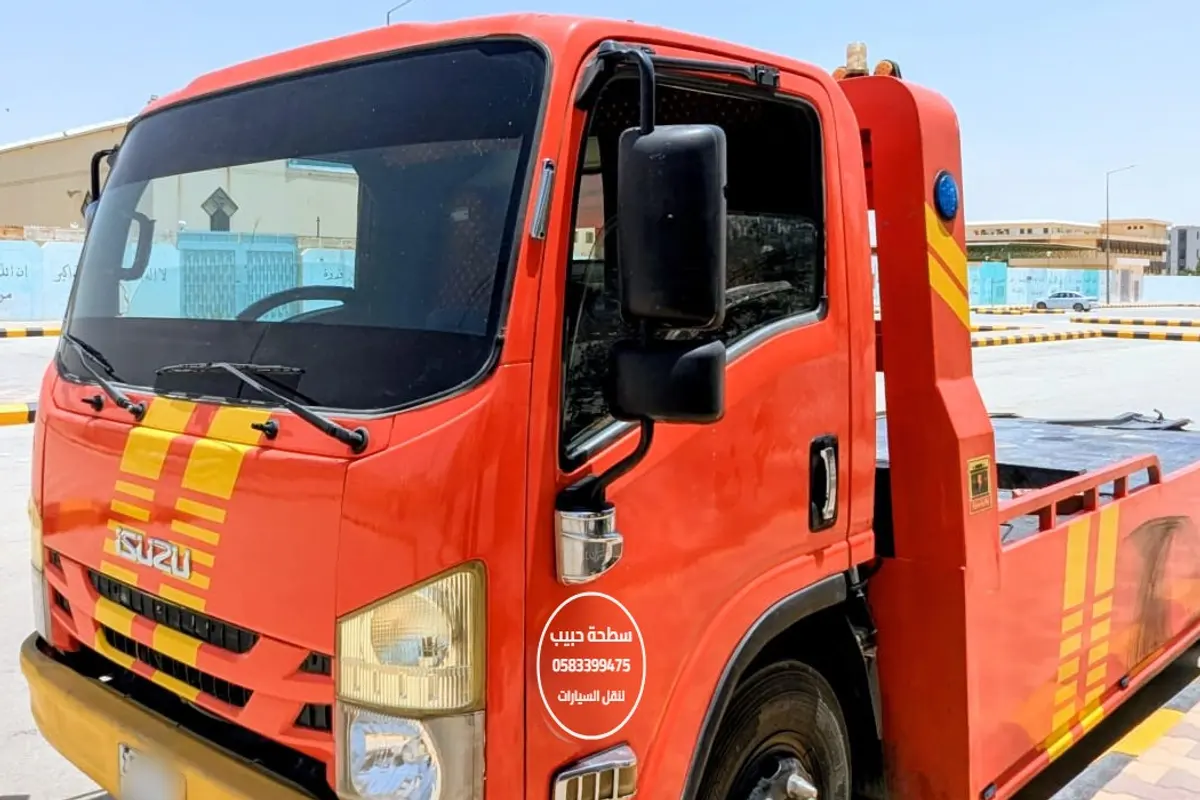
Camp trips often end in sand after dark. The emergency service means recoveries near firm ground can happen at night, at the same price as daytime.
View service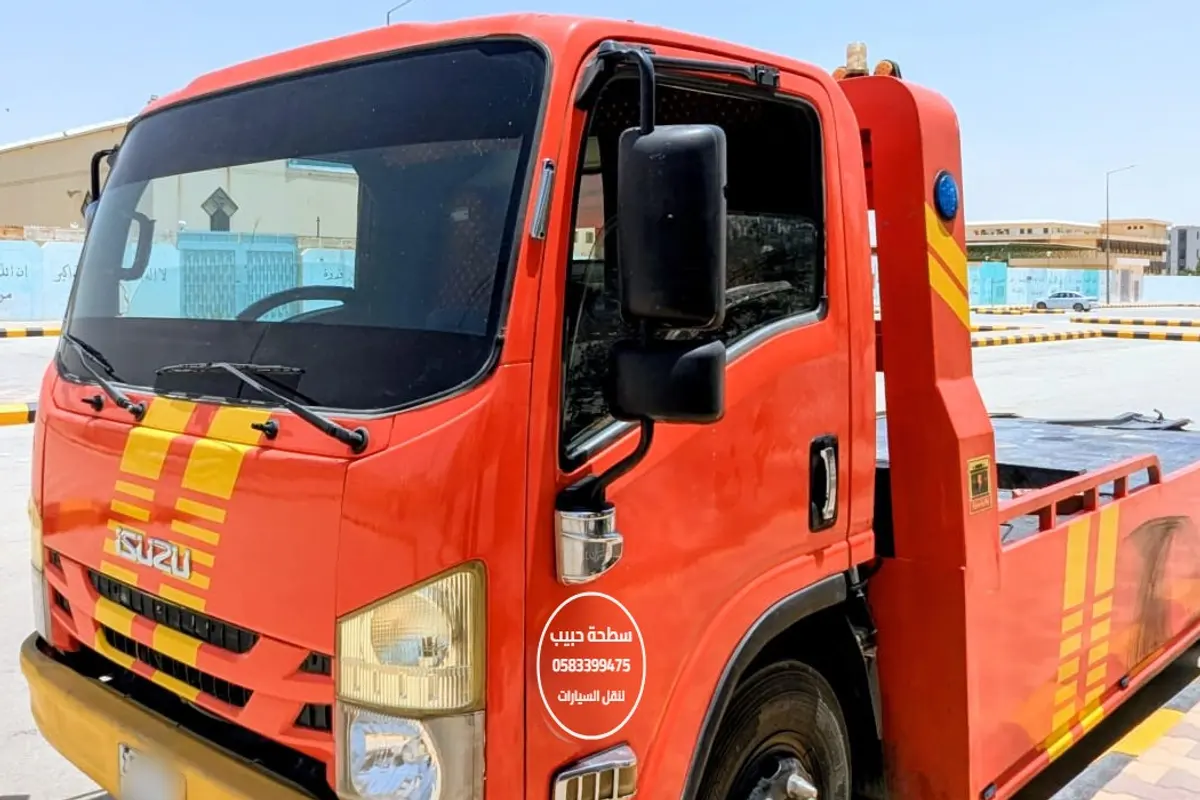
Some cars end up in sand after leaving the road in an accident. After the report, we winch them back to firm ground and load them for the workshop.
View service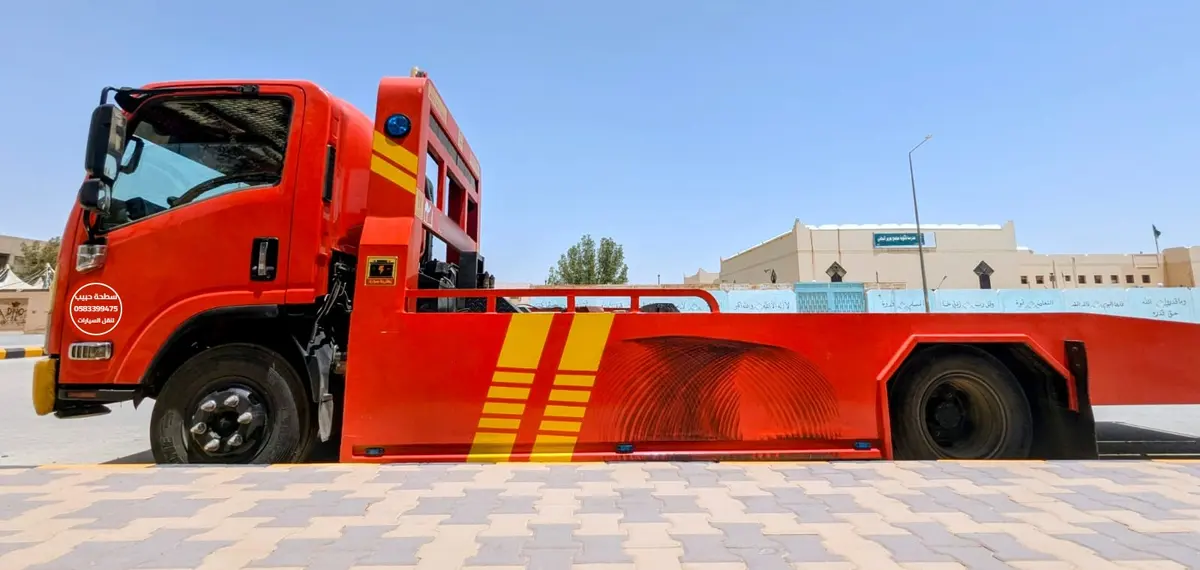
Burnt clutches and overheated gearboxes are common after long attempts to drive out of sand. Breakdown towing takes the car to a workshop that can repair the damage.
View service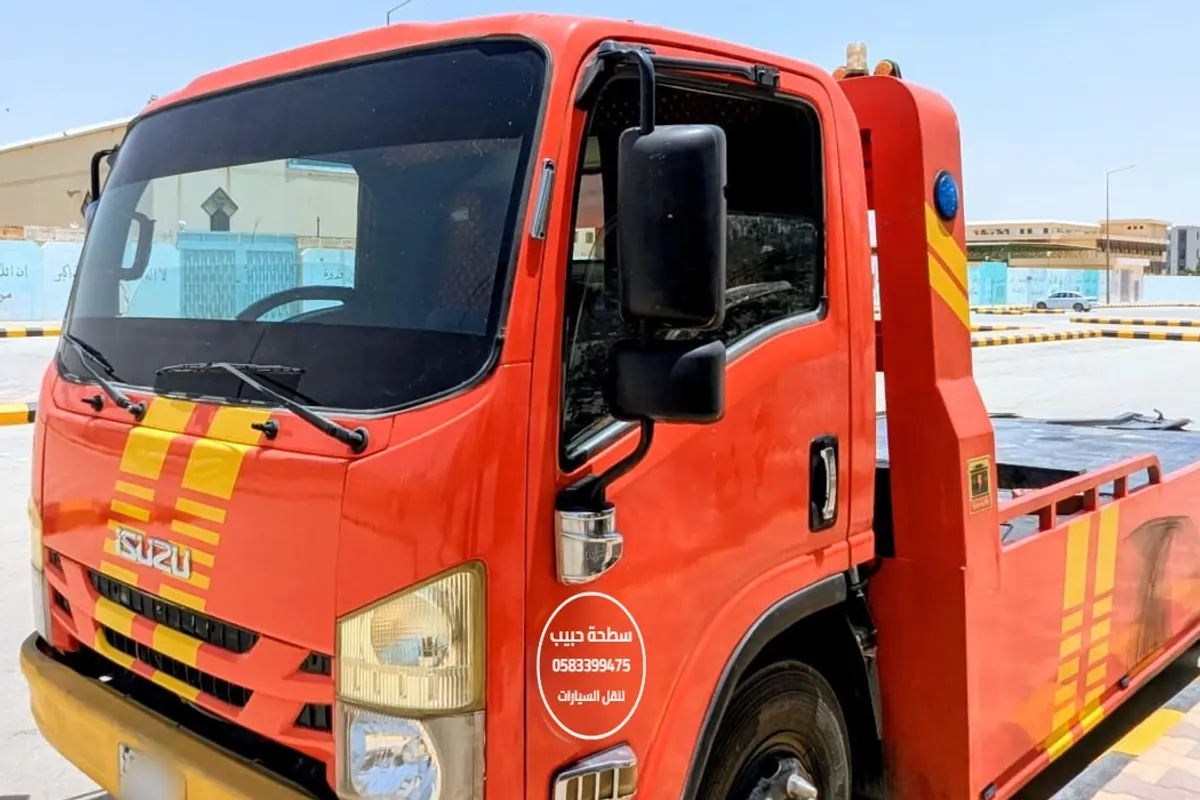
We answer calls and WhatsApp messages 24 hours a day, seven days a week, on one number: 0583399475. The fastest way to get a price is a WhatsApp message with your live location pin, the car model and the destination. Most quotes go out within a few minutes, and inside Riyadh the truck usually reaches you in 30 to 45 minutes.