Honest arrival times
We call before we arrive, so you can wait somewhere safe.
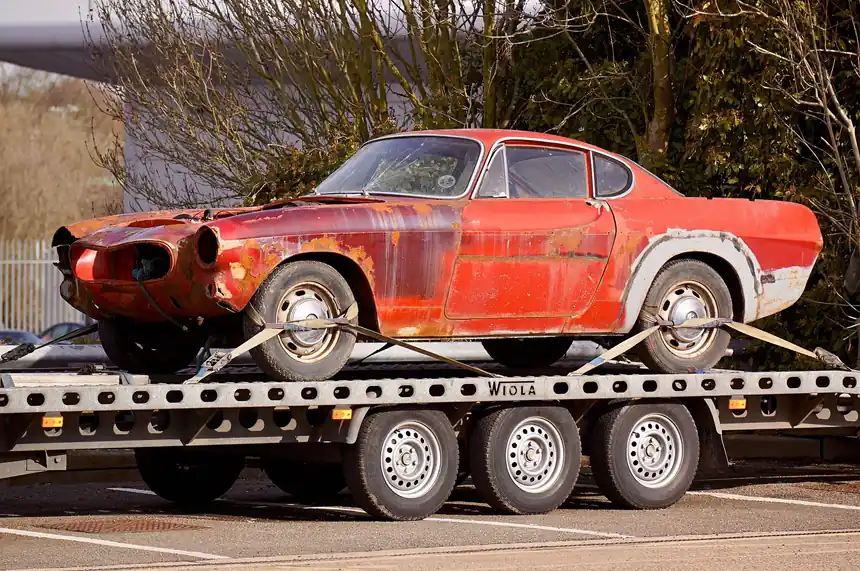
Our towing service in Diriyah covers the historic district around At-Turaif and Bujairi Terrace, the slopes down to Wadi Hanifa and the farm lanes of Al Ammariyah and Al Olab. Many calls come from visitors whose cars, often rentals, stop after an evening out, and from residents on narrow valley roads. We reach them with a flatbed and winch, plan around pedestrian areas and quote in writing first.
We call before we arrive, so you can wait somewhere safe.
You agree the full price on WhatsApp before the truck moves.
No dragging on two wheels, so gearboxes and EV motors stay safe.
Same price at night and on holidays, paid once the car arrives.
A towing service in Diriyah is a vehicle recovery service that collects broken-down or damaged cars from this historic area north-west of central Riyadh and delivers them to a workshop, rental company, dealer or home. Diriyah combines very different settings within a few kilometres. Around At-Turaif and Bujairi Terrace, visitor traffic peaks in the evening, with cars parked in managed areas and roads close to pedestrian zones where a tow truck must take care. Down in Wadi Hanifa, roads follow the valley floor and slopes, with bends and gradients that strain brakes and gearboxes. Further out, Al Ammariyah and Al Olab have farm lanes, rest houses and private estates, some reached by narrow or partly unpaved tracks. Rental cars are common among visitors, and a breakdown in an unfamiliar car at night needs someone who can explain the next step clearly. Over 10 years of towing in Riyadh, we have learned how to approach each part of Diriyah: where the flatbed can stop near the visitor areas, how to load safely on a slope and which farm tracks are firm enough for the truck. Rental car towing in Diriyah usually ends at the rental company's nominated garage, and we can coordinate that for you.
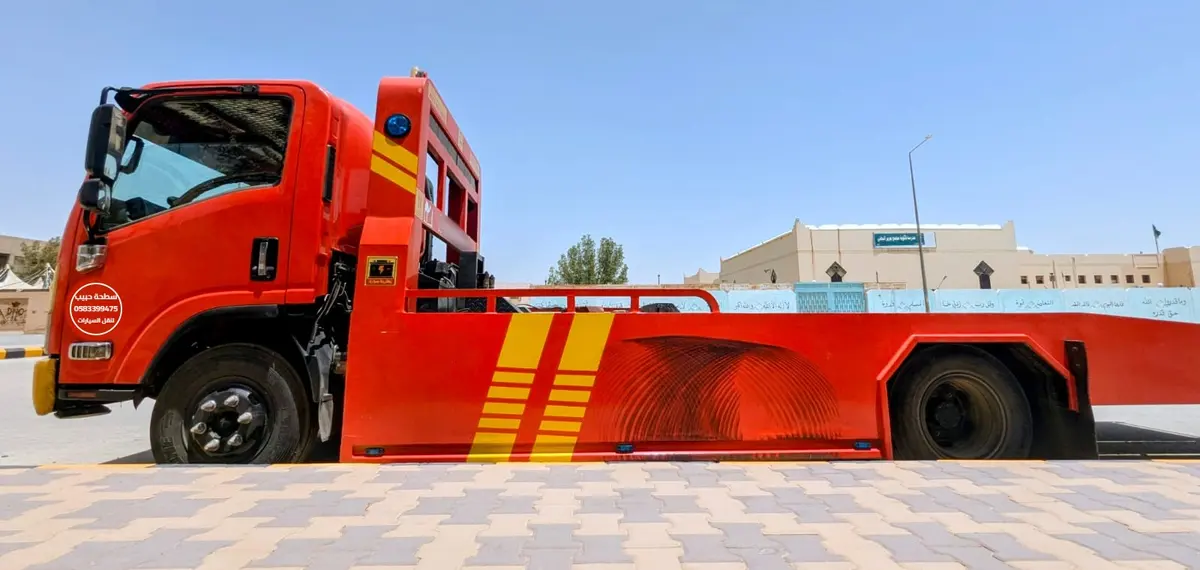
Diriyah calls split between visitors around Bujairi and At-Turaif, residents on Wadi Hanifa roads and farm owners in Al Ammariyah and Al Olab. Rental car towing in Diriyah is a regular evening job, and every service below is available across the area.
Near the visitor areas we stop the flatbed outside pedestrian zones and bring the car to it if needed. On valley slopes we load with care for the gradient, and every car rides fully on the bed with four straps.
View service →02Visitor traffic in Diriyah peaks late in the evening, and many breakdowns happen after dinner. We answer at any hour at the day rate, phone before arriving and work quietly near residential and heritage areas.
View service →03Bends on the Wadi Hanifa roads and busy visitor junctions see occasional collisions. After Najm documents the scene, we load the car and deliver it to the insurer's garage, a body shop or the rental company.
View service →04Overheating after long idling, brake wear on slopes and gearbox strain on gradients are common here. We carry the car without running it to a workshop in Riyadh or the rental company's garage.
View service →05Estates and villas in Diriyah house many high-value cars. We plan loading on long driveways and gates, use extra ramps and tyre-only straps, and photograph the car at both ends.
View service →06Visitors arriving by EV sometimes run low after a day out. We set transport mode, winch the car onto the flatbed with wheels free and take it to a charger or home in Riyadh.
View service →07Riders on weekend trips through Wadi Hanifa sometimes break down on the valley roads. We carry bikes upright with soft loops and four straps to a workshop or home.
View service →08Residents and estate owners moving cars between Diriyah and other cities use our door-to-door flatbed, priced per destination with photos at both ends.
View service →09Farm tracks and rest-house access roads in Al Ammariyah and Al Olab can be soft. When the truck can stand on firm ground, we winch the car out from 200 SAR.
View service →Towing in Diriyah depends on which part of the area you are in. Near At-Turaif and Bujairi Terrace, managed parking, pedestrian zones and evening crowds mean the flatbed often cannot reach the car directly. We ask where the car is parked, then stop at the nearest permitted point and, if needed, winch or roll the car to the truck with help from parking staff. On the Wadi Hanifa roads, gradients and bends matter. We avoid loading on steep sections or blind bends where possible, and if the car can roll safely to a flatter spot, we guide the driver there before we arrive. In Al Ammariyah and Al Olab, farm lanes and tracks vary from firm to soft sand. We ask for a photo of the track and only bring the truck onto it if it is firm; otherwise we winch the car to the paved road. Rental cars are common, so we ask for the rental company's instructions on where to take the car. Most Diriyah jobs take 15 to 25 minutes on site, and the drive to central Riyadh workshops is usually 20 to 40 minutes.
The flatbed cannot enter many areas around At-Turaif and Bujairi, and evening crowds make manoeuvring slow and sensitive. We stop at the nearest permitted point, coordinate with parking staff and bring the car to the truck by winch or by rolling it if safe.
Loading on a slope or near a blind bend is risky for the car, the truck and passing traffic. We guide the car to a flatter, more visible spot if it can roll safely, and use extra securing on slopes when loading in place is unavoidable.
A flatbed can sink on soft tracks, and some farm roads are too narrow to turn. We check a photo first, stay on firm surfaces and winch the car to the paved road when the track is not safe for the truck.
The historic and visitor areas have rules on vehicle access and parking. We respect them, coordinate with staff and avoid entering restricted zones.
Rental agreements often specify where a broken-down car must be taken. We follow the company's instructions so the renter is not charged for an unauthorised tow.
Diriyah's mix of visitors, valley roads and farmland creates a distinct set of towing calls. These four come up most often.
Visitors drive unfamiliar cars, often idle them for long periods for air conditioning and may miss early warning signs. We follow the rental company's towing instructions, explain the steps to the renter and deliver the car to the nominated garage.
Repeated braking and climbing on Wadi Hanifa roads heats brakes and gearboxes, especially in warm weather and with full cars. We move the car to a safe, flat spot and load it carefully, then deliver it to a brake or gearbox specialist in Riyadh.
Tracks to farms and rest houses in Al Ammariyah and Al Olab range from firm to soft sand, and cars sink easily in the softer stretches. We winch the car from firm ground or the paved road, without bringing the truck onto unsafe tracks.
Managed parking and pedestrian areas around At-Turaif and Bujairi limit where tow trucks can go. We coordinate with parking staff, stop at permitted points and bring the car to the truck by winch or rolling.
Typical 2026 prices for a tow from Diriyah reflect the distance into Riyadh. Trips to homes or workshops in nearby districts like Al Malqa often fall in the 90 to 150 SAR band for a standard car. Most trips into central Riyadh, to dealers or rental companies on King Fahd Road, cost 150 to 250 SAR. Longer trips to east or south Riyadh usually start at 220 SAR. Luxury cars start at 150 SAR. Sand recovery on farm tracks starts at 200 SAR. Prices are written before we move.
Diriyah is on the north-western edge of the city, so most destinations involve a longer drive. Nearby districts keep prices lower, while east and south Riyadh move the trip into higher bands.
Slopes, visitor zones and farm tracks can slow loading. That rarely moves the price out of the quoted band, and if it would, you hear it before agreeing.
A visitor's rental car costs exactly what a private car costs. A luxury car collected from a Diriyah hotel or restaurant starts at 150 SAR.
Diriyah's landmarks make it easy to describe where you are. At-Turaif and Bujairi Terrace mark the heart of the visitor area, and Wadi Hanifa runs through the valley below. Diriyah Road and King Khalid Road are the main approaches from the city. Send your live pin and the nearest landmark or parking area, and we will plan the approach.
The UNESCO-listed historic core of Diriyah. Mentioning it tells us you are near the visitor area, where access and parking rules affect where the truck can stop.
The dining and visitor area facing At-Turaif. A common reference for evening calls, helping us find the nearest permitted stopping point.
The valley running through Diriyah. Mentioning it signals valley roads with gradients and bends, which shape how we approach and load.
A cluster of restaurants and cafes around Bujairi Terrace, busiest in the evening and on weekends with visitors from across Riyadh.
The main road linking Diriyah with Riyadh, used for most approaches to the visitor area.
A major road on the western side of Riyadh, linking Diriyah with the north and south of the city.
Diriyah covers a mix of heritage sites, valley neighbourhoods, farms and nearby residential districts. These four areas produce most of our calls.
The area around Bujairi Terrace with restaurants and visitor facilities. Evening breakdowns of visitors' and rental cars are common, often in managed parking. Reached via Diriyah Road, usually within 35 to 50 minutes depending on evening traffic.
A farming area along Wadi Hanifa with rest houses and private estates. Calls include cars stuck on soft tracks and planned trips into the city. Further out along the valley, reached in 40 to 55 minutes, with track conditions checked before arrival.
An area with farms and homes near Diriyah, with narrow lanes and some unpaved access roads. Breakdowns and soft-ground recoveries are both common. Reached via the valley roads, typically within 40 to 50 minutes.
A residential district between Diriyah and north Riyadh with villas and high-value cars. Requests include luxury transport and garage extractions. East of Diriyah toward King Fahd Road, reached within 30 to 45 minutes.
These examples reflect common calls in Diriyah, from visitors' rental cars to farm tracks. They show how we adapt to each setting.
A family's rental car would not start in a managed car park near Bujairi Terrace after dinner, with children waiting late in the evening. We contacted the family, confirmed the rental company's instructions, stopped at the nearest permitted point and, with parking staff, rolled the car to the flatbed. It was delivered to the rental company's nominated garage. The family arranged a ride home while we handled the car, and the renter was not charged for an unauthorised tow. Price in the second band.
A car's brakes began to fade on a Wadi Hanifa slope, and the driver stopped near a bend. We advised the driver to keep the handbrake on and wait off the road. On arrival, we moved the car to a flatter, visible section with the winch and loaded it with extra securing. No further risk on the bend, and the car reached a brake specialist in Riyadh the same evening. Price in the second band.
A saloon sank on a soft track to a rest house in Al Ammariyah. The photo showed the track would not hold the truck, so we stayed on the asphalt and winched the car back to solid ground. About 20 minutes later it was out, undamaged, and the owner drove it away. The bill sat at the bottom of the sand recovery range.
October marks the start of Diriyah's busiest season, as cooler evenings bring visitors back to Bujairi and At-Turaif. Rental car towing in Diriyah rises with visitor numbers, while the valley and farms have their own seasonal patterns.
From October, visitor traffic rises sharply in the evenings and at weekends. The first rains, usually late October or November, can bring water flowing in Wadi Hanifa and slippery valley roads.
Peak visitor season with cool evenings. Cold mornings reveal weak batteries, and occasional rain can make farm tracks muddy.
Pleasant weather keeps visitors coming, but dust storms can reduce visibility on valley roads. Temperatures start rising in April.
Fewer visitors but intense heat. Overheating and battery failures are common, and long waits in parked cars are dangerous.
Cars collected in Diriyah usually travel into Riyadh, to workshops, dealers, rental companies or homes. These are the corridors we connect with most often.
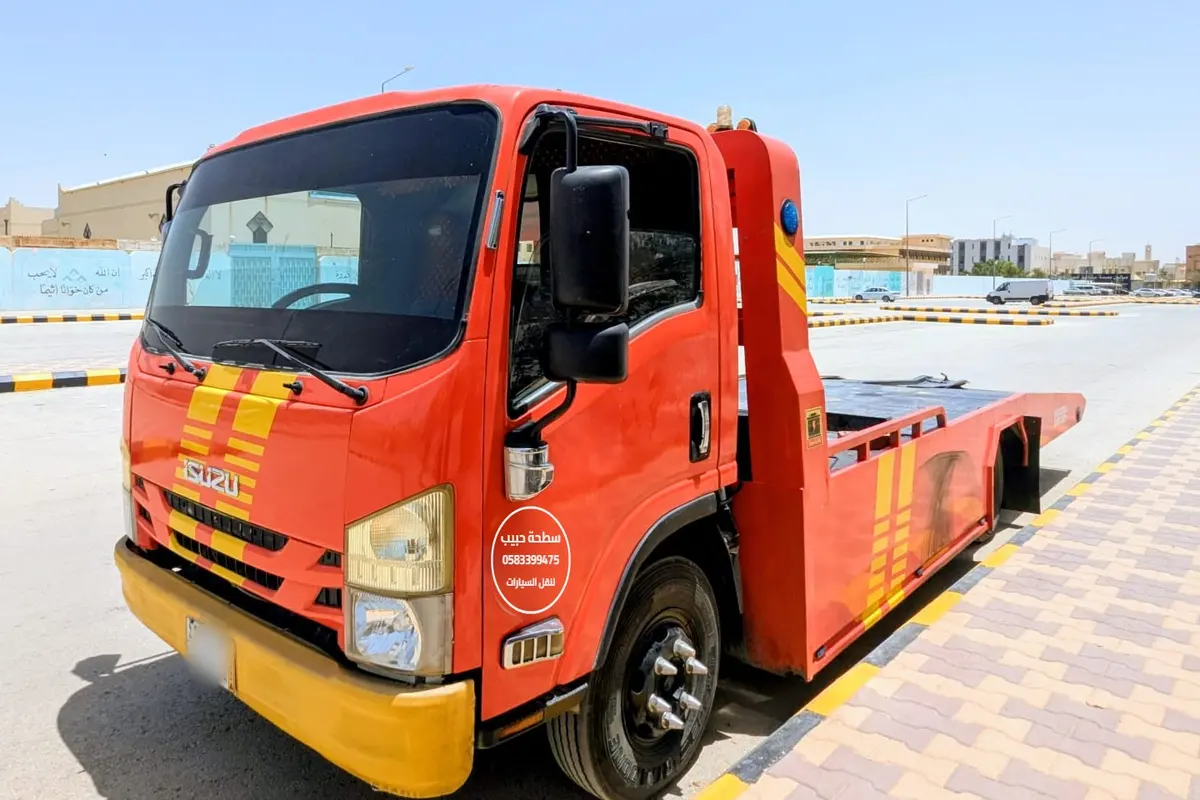
Across the city to the east. Visitors from east Riyadh often have their car taken home there after an evening in Diriyah.
Area detailsEast via King Khalid Road and the central districts. Used for trips to central homes and offices.
Area details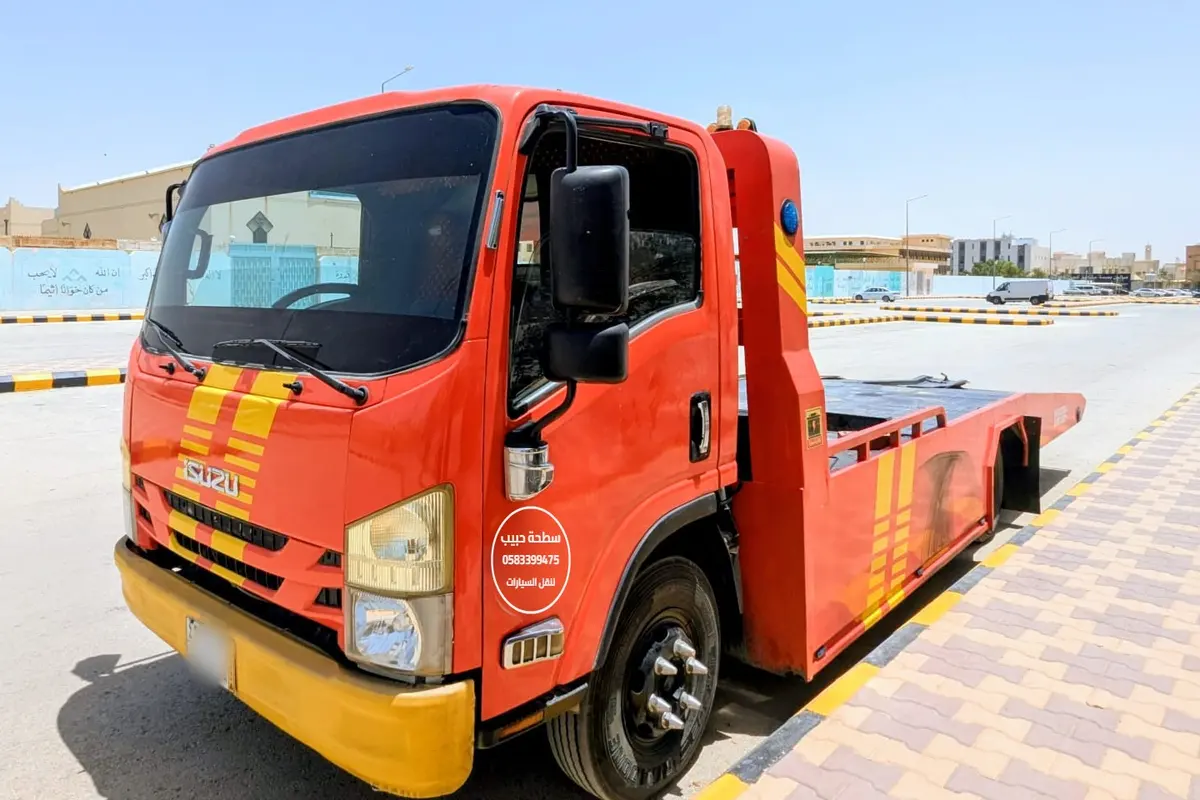
North-east via King Khalid Road. The route for cars heading to the northern districts.
Area details
Across the city. The route toward Al Sulay workshops and east Riyadh.
Area detailsIn Diriyah, the right tow depends on knowing the area and, often, the rental company's rules. Ask these questions before you agree.
Rental agreements often require towing to a specific garage. Following them avoids extra charges for the renter.
A good operator knows the permitted stopping points near At-Turaif and Bujairi and will coordinate with parking staff.
Loading on a gradient needs care. An operator who plans to move the car to a flatter spot or add securing takes safety seriously.
A truck that drives onto a soft track can get stuck too. The right answer depends on a photo and may involve winching from the road.
Diriyah trips are longer than many city tows, so a written price before moving protects you from surprises.
Yes. Tell us the rental company and its instructions, and we will deliver the car to the nominated garage or location. Following the rental company's rules helps you avoid extra charges.
Most trips from Diriyah to central Riyadh cost 150 to 250 SAR for a standard car in 2026. Nearby districts like Al Malqa can be 90 to 150 SAR, and east or south Riyadh usually from 220 SAR. Luxury cars start at 150 SAR.
Yes. We stop at the nearest permitted point, coordinate with parking staff and bring the car to the truck if needed. We work quietly and answer at any hour at the same price.
Usually, yes, as long as the truck can stay on firm ground or the paved road. A photo of the track tells us. We winch the car out from 200 SAR, or say plainly when a 4x4 recovery team is the better call.
Usually 35 to 55 minutes, depending on evening traffic around the visitor area and how far into the valley or farms you are. We phone before arriving.
Question not here? Send it on WhatsApp to 0583399475 and we reply at any hour.
Ask us on WhatsApp
We answer calls and WhatsApp messages 24 hours a day, seven days a week, on one number: 0583399475. The fastest way to get a price is a WhatsApp message with your live location pin, the car model and the destination. Most quotes go out within a few minutes, and inside Riyadh the truck usually reaches you in 30 to 45 minutes.