Honest arrival times
We call before we arrive, so you can wait somewhere safe.
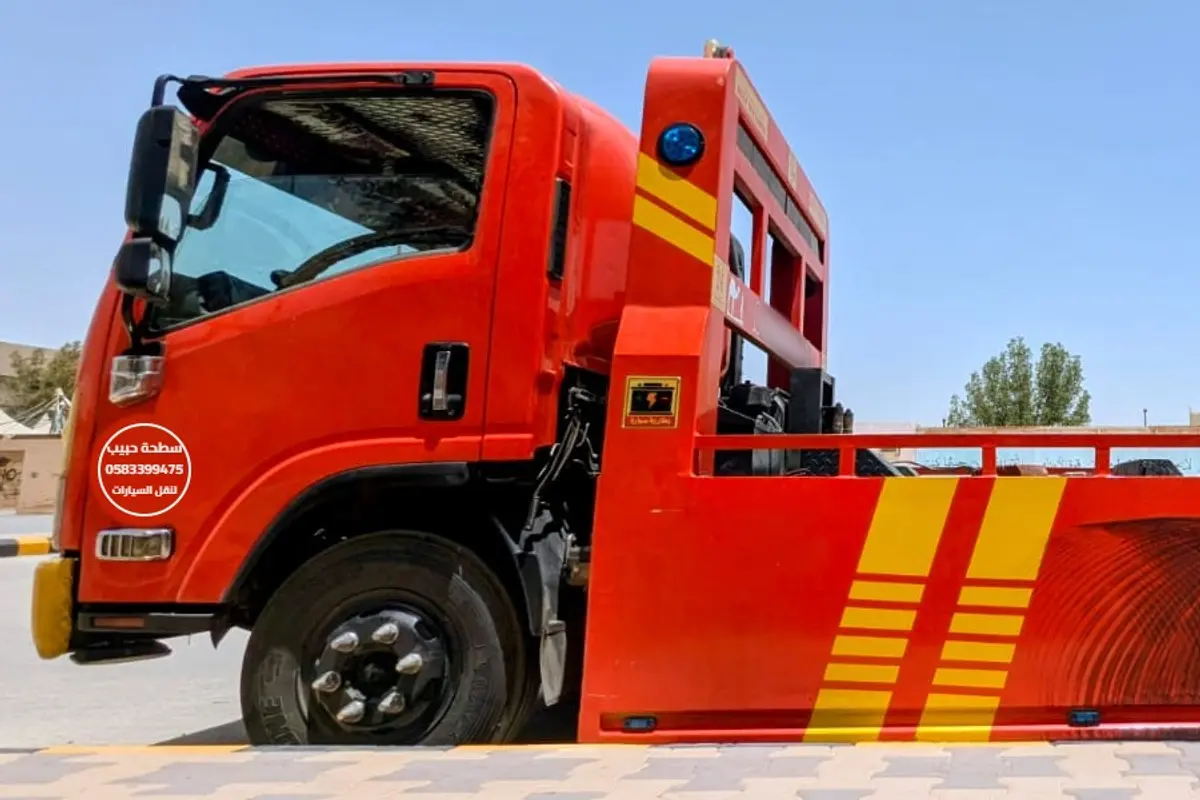
Our towing service in Riyadh Al Kharj Road covers the busy southern corridor from Al Sulay past the Second Industrial City and Al Hair to Al Kharj itself. Shift workers break down at 5 a.m. and midnight, company vans and pickups fail mid-route, and factory traffic fills the lanes. We load cars and light commercial vehicles on a flatbed, quote company jobs clearly and carry them to Riyadh workshops or on to Al Kharj.
We call before we arrive, so you can wait somewhere safe.
You agree the full price on WhatsApp before the truck moves.
No dragging on two wheels, so gearboxes and EV motors stay safe.
Same price at night and on holidays, paid once the car arrives.
A towing service in Riyadh Al Kharj Road is a recovery and transport service for cars and light commercial vehicles that break down or crash on the road between south-east Riyadh and the governorate of Al Kharj, carrying them to workshops in the city or onward. The road leaves Riyadh near the Al Sulay industrial area, runs past the entrances to the Second Industrial City, continues by Al Hair and reaches Al Kharj about 80 km from the city. It is a working road. Thousands of employees commute to factories and warehouses on shifts that start and end at all hours, so breakdowns cluster around 5 to 7 a.m., mid-afternoon and late at night. Company vans, pickups and small fleet cars make up a big share of traffic, and owners need them moved and repaired quickly to keep operations running. Lorries serve the industrial sites, which makes the shoulder a risky place to wait. After 10 years of towing in Riyadh, we treat this corridor as both a commuter route and a commercial one. Company van and fleet towing in south Riyadh is a regular part of our work here, alongside private breakdowns and Al Kharj transport.
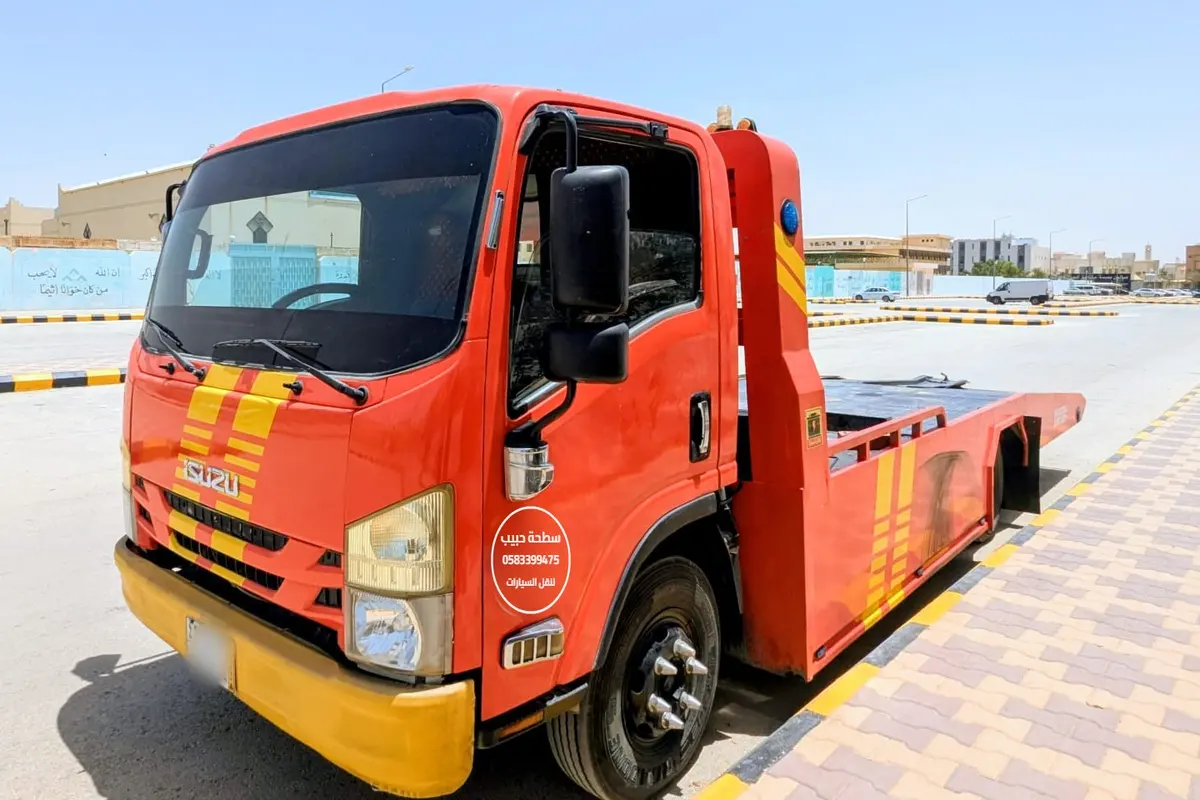
Kharj road calls come from shift workers, company vehicles and travellers between Riyadh and Al Kharj. Company van and fleet towing in south Riyadh is a large share of the work, and every service below runs along the corridor.
Cars, company vans within our flatbed's capacity and small or mid-size pickups ride fully on the bed, strapped at four tyres, back to Al Sulay workshops or on to Al Kharj.
View service →02Shifts change at dawn and midnight, and so do breakdowns. We answer at any hour at the same price, with the beacon on when loading beside industrial traffic.
View service →03Collisions with lorries and at the industrial city entrances are common. After the authorities release the vehicle, we load it and deliver it to a body shop or insurer garage.
View service →04High-mileage commuter cars and hard-worked company vehicles fail with overheating, battery and gearbox problems. Al Sulay workshops are close, keeping many tows short.
View service →05Managers and residents with high-value cars use our flatbed for trips between Riyadh and Al Kharj, with ramps, tyre-only straps and photos.
View service →06EVs and hybrids commuting to the industrial city are loaded in transport mode with wheels free and taken to a charger or qualified workshop.
View service →07Workers commuting by motorcycle and weekend riders heading south are carried upright with soft loops and four straps.
View service →08Door-to-door transport between Riyadh and Al Kharj costs 300 to 400 SAR, used for relocations, purchases and repaired cars.
View service →09Vehicles that leave the road onto soft ground, or get stuck at unpaved site entrances, are winched back to firm ground from the shoulder.
View service →Towing on the Kharj road depends on where the vehicle stopped and who owns it. Near the city end, close to Al Sulay, distances to workshops are short and loading is quick. Further south, around the Second Industrial City entrances and Al Hair, we work from the kilometre marker and direction, plus a live pin. Lorries serving the industrial sites pass close, so passengers wait well behind the barrier, the beacon goes on and the triangle goes down far behind the vehicle. For company vehicles, we ask who is authorising the job, take photos at pickup and delivery and send the agreed price in writing for the company's records. We ask about the vehicle's size and load before dispatch: cars, small and mid-size pickups and light vans within the flatbed's capacity are fine, while heavy goods vehicles need a heavy recovery operator, and we say so. Most loads take 15 to 20 minutes on site. Company van and fleet towing in south Riyadh goes smoothly when a supervisor sends the vehicle details and destination in one message.
Breakdowns cluster at hours when many services are closed, leaving workers stranded on the way to or from shifts. We answer at any hour at the same price, and can drop the vehicle at home or the workplace, with a workshop run later.
Heavy vehicles pass close to the shoulder, making waiting and loading dangerous. We keep passengers behind the barrier, place the triangle far back, use the beacon and keep the stop short.
Businesses need authorisation and condition records for their vans and pickups. We confirm who authorises the job, photograph the vehicle at pickup and delivery and put the agreed price in writing.
On the Kharj road, crashes involving lorries go to the traffic police, and we only load once they release the car.
Industrial city sites have their own entry procedures. We coordinate with the vehicle owner or site security before entering.
Shift workers, delivery fleets and heavy lorries shape the calls we get on the Kharj road. Four situations repeat.
High-mileage cars driven daily in heat fail on dawn and late-night commutes when workers are short of time. We answer at any hour, load quickly and deliver to a workshop or home, with a workshop run later if needed.
Fleet vehicles are worked hard, often loaded, and maintenance can slip, leading to breakdowns on deliveries. We confirm authorisation, check the load, photograph the vehicle and deliver it at the price already agreed in writing.
Heavy vehicles entering and leaving industrial sites share lanes with commuters, leading to collisions. After the police release the vehicle, we load it with the scene protected and deliver it to a body shop or insurer garage.
Workers driving home tired after long shifts are more likely to run off the road or crash. We recover vehicles from shoulders and soft ground and advise drivers to rest before driving again.
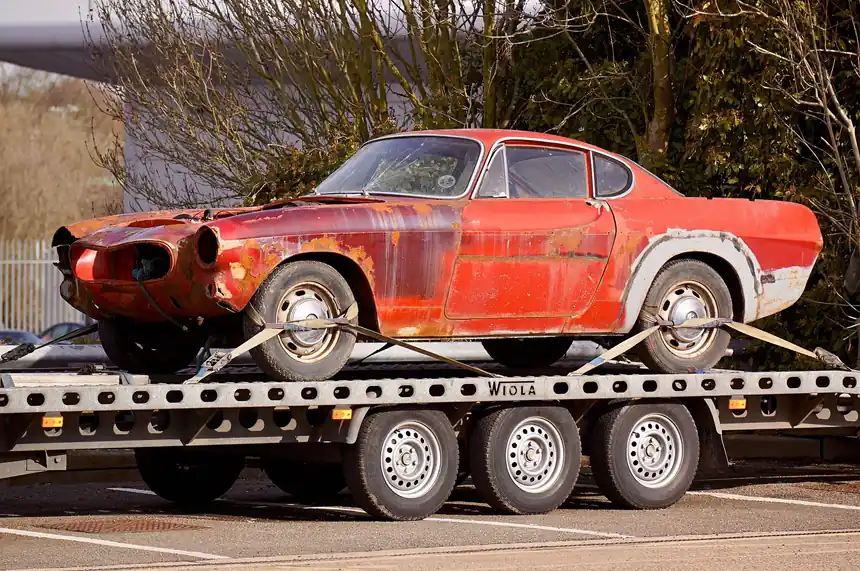
Typical 2026 prices on the Kharj road depend on where the vehicle stopped and where it goes. Breakdowns near the city end, close to Al Sulay workshops, often fall in the 90 to 150 SAR band. Further south near the industrial city, trips back to Riyadh usually cost 150 to 250 SAR or more. Door-to-door transport between Riyadh and Al Kharj costs 300 to 400 SAR. Company jobs are quoted per vehicle in writing. Prices are the same at shift-change hours and at night.
Near Al Sulay, trips are short and cheap. Further south, the distance back to Riyadh raises the price, quoted from your kilometre marker.
Cars and small or mid-size pickups use standard bands. Light vans are quoted after we confirm size and load. Heavy goods vehicles need a heavy recovery operator.
Al Sulay workshops keep prices low. Homes across Riyadh or transport to Al Kharj are priced by distance.
On the Kharj road, the industrial city entrances and kilometre signs are the clearest references. Fuel stations along the road make safe waiting points. Send the kilometre marker, direction and a live pin.
Busy entrances that help us confirm which part of the road you are on and plan around industrial traffic.
The most precise way to describe your location on the open road south of the city.
Fuel stations along the Kharj road are the safest place to wait for loading, if the car can make it there.
Industrial and logistics sites on both sides of the road, generating commuter and goods traffic at all hours.
Connect the start of the Kharj road with the rest of Riyadh near Al Sulay.
The corridor itself, running south from Riyadh to Al Kharj.
The Kharj road links Riyadh's south-east with industrial zones and towns to the south. These four areas account for most of our calls.
The industrial and workshop area at the city end of the road. Many breakdown tows from the corridor end here. At the start of the Kharj road, reached within 25 to 40 minutes.
A major industrial city south of Riyadh with factories and warehouses. Shift workers and company vehicles generate frequent calls. Along the Kharj road, reached within 35 to 50 minutes depending on traffic.
An area further south along the road with homes and farms. Calls include breakdowns and trips into Riyadh. Further from the city, with arrival times based on location.
The town at the southern end of the road, about 80 km from Riyadh. Calls include planned transport and breakdowns on the approach. Far from Riyadh, so we quote transport and give honest arrival times.
These examples reflect common calls on the Kharj road, from shift workers to company vans.
A shift worker's car died on the way to a 6 a.m. shift near the Second Industrial City entrance. We reached the car within the estimated time, loaded it with the beacon on and dropped it at an Al Sulay workshop as it opened, while the worker got a lift to work. The worker made the shift late but safely, and the car was repaired the same day. Price in the second band.
A company's delivery van overheated mid-route with goods on board. The supervisor arranged for the goods to be transferred, then we loaded the empty van, photographed it and delivered it to the company's workshop. The van was off the road quickly and the company had clear records. Priced per job before dispatch.
A family moving from Riyadh to Al Kharj needed their second car transported. We collected the car from their Riyadh home on moving day and delivered it to the new address in Al Kharj with photos. Both cars arrived the same day without a second driver. Price within the Al Kharj transport range.
October on the Kharj road brings full production schedules and summer-worn vehicles failing on daily runs. Company van and fleet towing in south Riyadh follows both the weather and the industrial calendar.
From October, factories run at full pace and vehicles worn by summer heat fail. The first rains in late October or November make the road slippery near site entrances.
Cold dawn commutes reveal weak batteries, and fog can appear on some stretches early in the morning.
Dust storms reduce visibility on the open road and clog radiators and filters.
Peak overheating season for hard-worked vehicles, with tyre blowouts on hot asphalt.
Vehicles collected on the Kharj road usually go to Al Sulay workshops or homes in Riyadh, and some continue to Al Kharj. These are the city corridors we connect with most.
North via the Eastern Ring Road. A common home destination for shift workers from east Riyadh.
Area details
North via the Eastern Ring Road. Used for trips to central homes.
Area details
Across the city via the Eastern Ring Road. Used for trips to northern districts.
Area details
Meets the Kharj road near Al Sulay. Most trips back into the city use it.
Area detailsWhether you are a commuter or a fleet manager, these questions help you choose the right tow on the Kharj road.
Vehicle size and load matter. An operator who checks before dispatch avoids a wasted trip.
Yes. Businesses need records for insurance and accounting, so every job comes with photos and the agreed price in writing on WhatsApp.
Breakdowns cluster at dawn and midnight. A 24-hour service at the same price is essential.
A triangle far back, the beacon and passengers behind the barrier are essential on this road.
A written price per vehicle prevents disputes, especially for company jobs.
Yes, if it is within our flatbed's capacity. Send the van's make, model and load, plus who is authorising the job. We photograph it and confirm the price in writing for company records. Heavy goods vehicles need a heavy recovery operator.
Door-to-door transport costs 300 to 400 SAR in 2026, depending on the vehicle and exact addresses. Breakdown tows from the Kharj road are quoted from your kilometre marker.
Yes. A midnight or dawn shift change on the Kharj road costs the same as midday, and we phone as we approach so you can stay behind the barrier.
Usually within 35 to 50 minutes depending on traffic. Near Al Sulay it is quicker, and further south we give an estimate from your kilometre marker.
Switch on hazards, move everyone well behind the barrier and wait there. Send your kilometre marker and direction. We place the triangle far back and keep the stop short when we arrive.
Question not here? Send it on WhatsApp to 0583399475 and we reply at any hour.
Ask us on WhatsApp
We answer calls and WhatsApp messages 24 hours a day, seven days a week, on one number: 0583399475. The fastest way to get a price is a WhatsApp message with your live location pin, the car model and the destination. Most quotes go out within a few minutes, and inside Riyadh the truck usually reaches you in 30 to 45 minutes.