Honest arrival times
We call before we arrive, so you can wait somewhere safe.
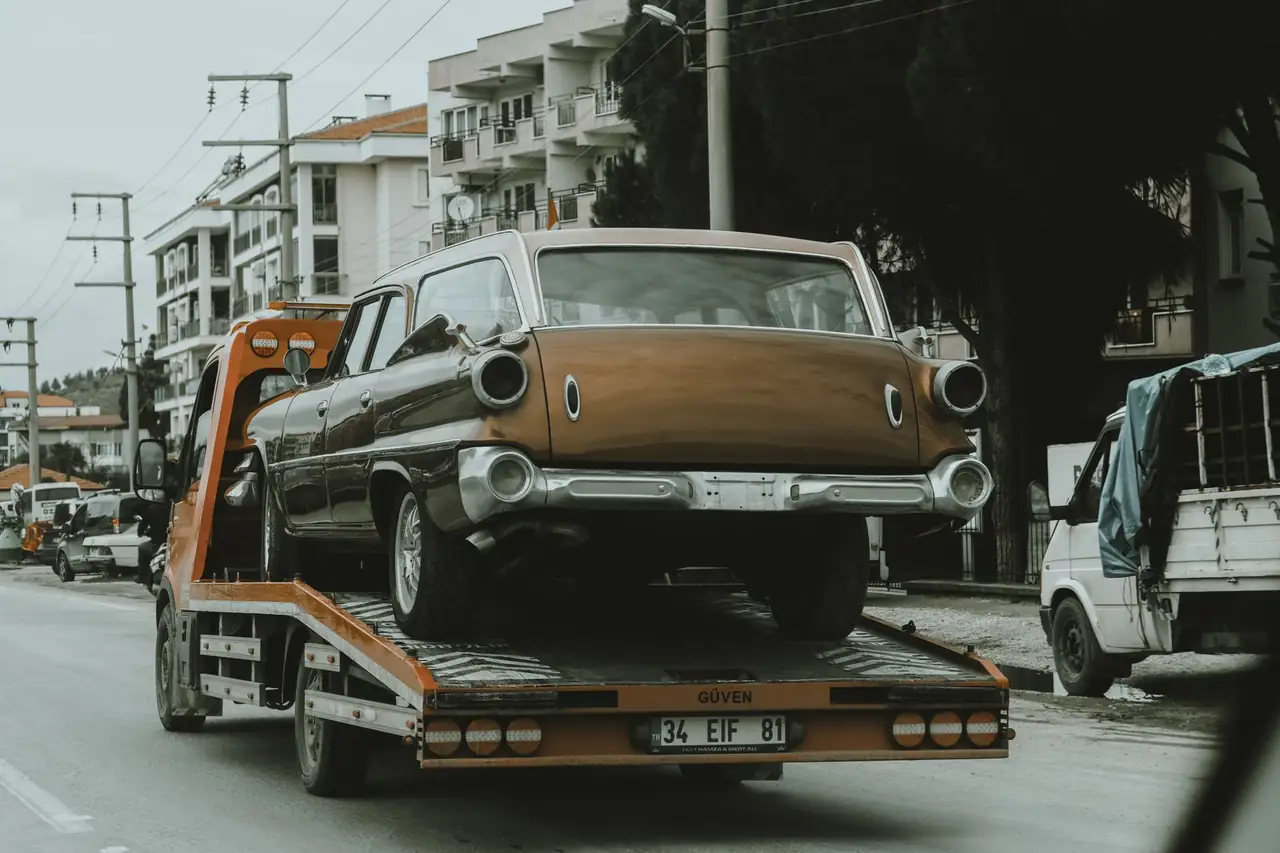
Our towing service in Northern Ring Road works the busiest expressway in north Riyadh, from the King Abdullah Financial District stretch to where it meets the Eastern Ring Road. Traffic here moves fast even at 2 a.m., so a stopped car is a real danger. We arrive with the amber beacon on, place a triangle well behind, load the car onto a flatbed and get you off the shoulder quickly.
We call before we arrive, so you can wait somewhere safe.
You agree the full price on WhatsApp before the truck moves.
No dragging on two wheels, so gearboxes and EV motors stay safe.
Same price at night and on holidays, paid once the car arrives.
A towing service in Northern Ring Road is an expressway recovery service that removes stopped or damaged vehicles from this high-speed ring road and its exits, used when a car breaks down or is involved in a collision on the carriageway. The Northern Ring Road carries traffic across the top of Riyadh, linking the King Abdullah Financial District area, King Fahd Road and Abu Bakr Al Siddiq Road with the Eastern Ring Road. Its exits are close together, its lanes are fast and its traffic barely drops at night, which shapes every tow. A car stopped on the shoulder at 100 km/h traffic is hard to see after dark, and the biggest risk is not the fault itself but a second collision while people stand beside the car. That is why our first question on any Northern Ring Road call is whether everyone is behind the barrier. Districts like Al Nakheel, Al Aqiq, Al Ghadir and Al Izdihar sit along the road, and many of our calls come from drivers heading home to them late in the evening. Over 10 years of towing in Riyadh, the Northern Ring Road has become our most frequent night corridor, and for a night tow on the Northern Ring Road the routine is fixed: safety first, written price, call on approach.
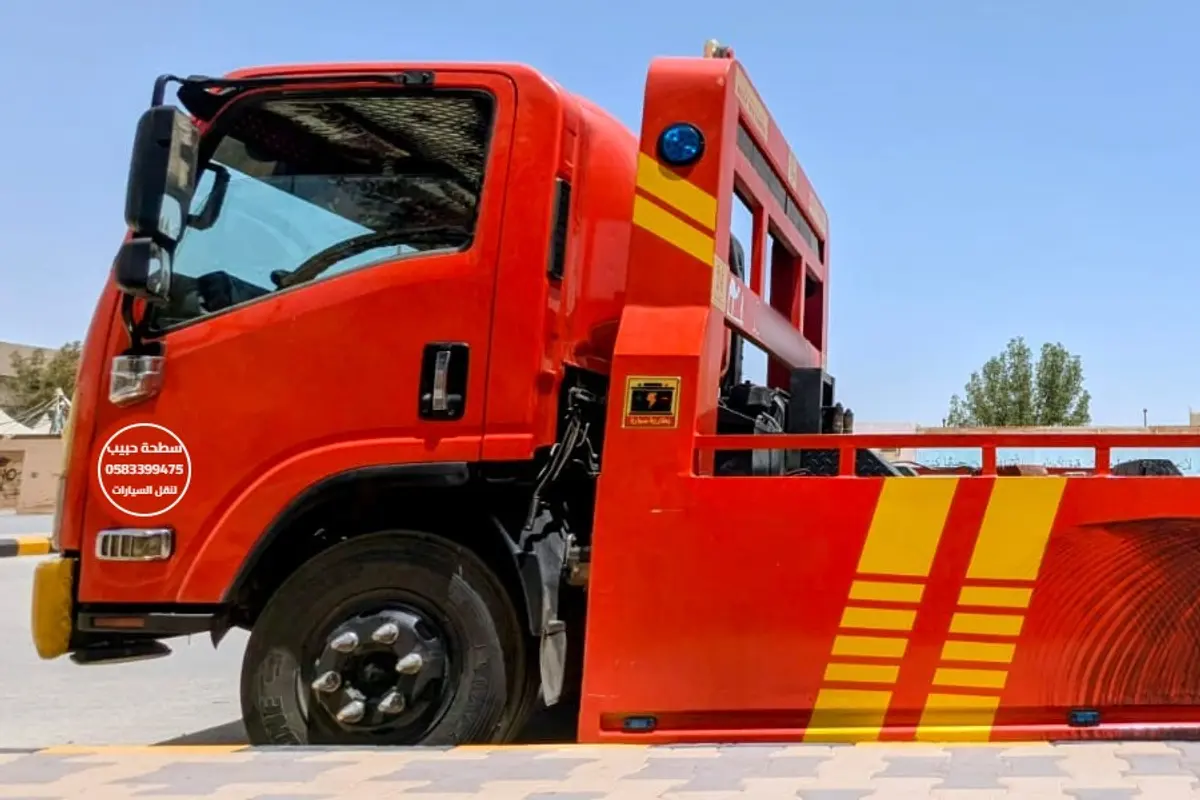
Northern Ring Road calls split between night breakdowns on fast lanes, daytime overheating in interchange queues and collisions at merges. A night tow on the Northern Ring Road is our single most common call type here, but every service below runs on this corridor and its exits.
Cars leave the Northern Ring Road fully on the flatbed, strapped at all four tyres. That matters here, where many cars are automatics, EVs or AWD SUVs that must not be dragged. We load from the shoulder or the nearest exit ramp, wherever is safest.
View service →02Traffic on this road barely drops at night, and a stopped car on the shoulder is hard to see. We answer at any hour at the day rate, phone before arriving and load with the amber beacon on and a triangle placed well behind the car.
View service →03Collisions at merges and lane changes are common where exits come close together. After Najm or the police complete the report, we load the damaged car quickly from the shoulder and take it to the insurer's garage, a body shop or home.
View service →04Overheating in summer queues near the King Fahd Road interchange, failed alternators at night and gearbox faults are our most frequent breakdowns here. We carry the car without running it to a workshop suited to the fault or home for the night.
View service →05High-value cars from the northern districts and the financial district area travel to dealers and specialists. We load them with extra ramps, tyre-only straps and photos, even when the pickup is on a busy shoulder.
View service →06High-speed driving on the Northern Ring Road drains EV range quickly, and run-flat calls are common on the way home. We set transport mode, winch the EV onto the bed with wheels free and deliver it to a charger or home.
View service →07Bikes on the ring road are exposed to fast traffic when they stop. We get them onto the flatbed quickly, upright with soft loops and four straps, and carry them to a workshop or home from 90 SAR.
View service →08The Northern Ring Road connects to the Qassim highway and King Salman Road, making it a natural route for northbound transport. We collect from homes in the northern districts and deliver door to door to Qassim or further.
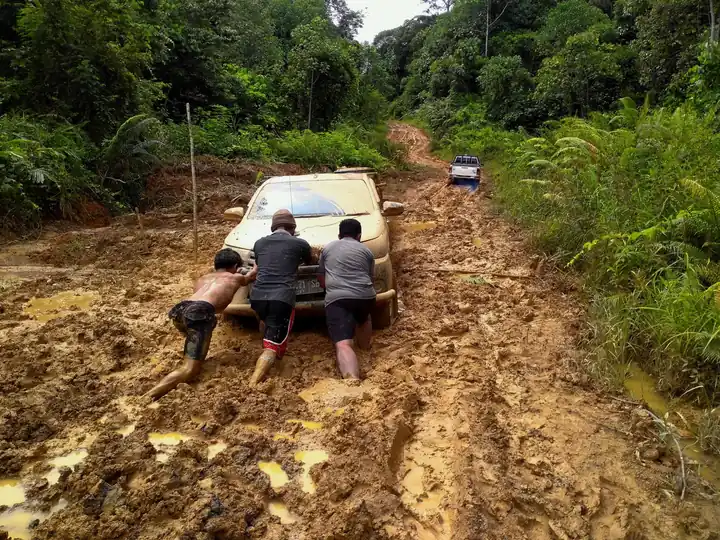
View service →09Residents of the northern districts heading out to Thumamah or the desert north of the city sometimes get stuck near tracks. When the truck can stand on firm ground, we winch the car out from 200 SAR.
View service →Towing on the Northern Ring Road starts with the driver's safety, not the car. Before we talk price, we ask everyone to switch on hazards, leave the car from the side away from traffic and wait behind the barrier. On a road where traffic passes at 100 km/h or more, most injuries after a breakdown happen to people standing beside the car. Next we confirm the direction of travel and the nearest exit or interchange, because the road has two carriageways and a wrong guess means a long U-turn. On arrival, the amber beacon goes on before we step out and a triangle goes down 100 metres or more behind the car. Where the shoulder is narrow, we often load at the next exit ramp if the car can roll there safely. Most cars are winched onto the flatbed and strapped within 10 to 15 minutes. Expressway breakdown recovery in north Riyadh works best when you send a live pin and the name of the last exit you passed, which tells us exactly where to come in.
Even after midnight, cars pass at high speed. A stopped vehicle on the shoulder is easy to miss, and anyone standing nearby is at risk from drifting traffic. We tell callers to wait behind the barrier, arrive with the beacon on, place the triangle well back and keep the stop short. Passengers never stand between the car and the truck.
Cars entering and leaving the road cross lanes close to the shoulder, and some stretches have little space between a merge and the next exit, which complicates where the truck can stop. We avoid loading at merge points and prefer the next exit ramp or a wider shoulder section. If the car can roll safely, we guide the driver to that spot before we arrive.
Afternoon congestion near major interchanges causes overheating in long, slow queues, with cars stopping in lanes where there is no shoulder. We guide the driver to switch off and, if possible, roll onto the shoulder or the next exit. The flatbed approaches from the interchange side and loads the car cold.
On high-speed roads, the triangle needs to go well behind the stopped car to give approaching drivers time to move over. We place it before loading and ask drivers to carry one themselves.
For minor collisions with no injuries, Najm documents the scene. We load only after the report or release, which keeps the owner's claim intact and avoids disputes about the scene.
The Northern Ring Road's high speeds, close exits and round-the-clock traffic create a particular set of problems. Expressway breakdown recovery in north Riyadh deals with these four most often, at all hours.
Heavy electrical load from headlights, air conditioning and electronics, plus heat damage from summer, means alternators often fail in the evening. The car runs on battery briefly, then stops. We get the car off the shoulder quickly, drop it home if the workshop is closed, and take it to an auto electrician in the morning, both legs quoted together.
Drivers crossing several lanes to reach an exit, combined with high speeds, cause side and rear impacts, often leaving damaged wheels or hanging bumpers. After the report, we load from the shoulder with damaged parts secured and straps on undamaged tyres, keeping the stop as short as possible.
Sustained high speed and summer heat drain batteries faster than drivers expect, especially on longer evening trips back to the northern districts. We set transport mode, winch the EV onto the flatbed with its wheels free and take it to a compatible charger or the owner's home charger.
Summer congestion near the King Fahd Road and Abu Bakr Al Siddiq Road interchanges leaves cars idling in heat with the AC on, overwhelming weak cooling systems. We guide the driver to a shoulder or exit, load the car without running it and carry it to a cooling workshop.

Typical 2026 prices for a tow from the Northern Ring Road depend on the destination. Trips to homes in the northern districts, such as Al Nakheel or Al Narjis, usually fall in the 90 to 150 SAR band for a standard car. Dealers on King Fahd Road or workshops in central districts often fall in the same band or the next. Runs to Al Sulay workshops across the city usually cost 150 to 250 SAR. Luxury cars start at 150 SAR. The price is the same at 2 a.m. as at 2 p.m., written before we move and paid after delivery.
Northern homes are close and keep the price low. Southern workshops are 25 km or more away and move the trip into a higher band. A home drop at night and a workshop run in the morning can be quoted together.
A car on a wide shoulder or near an exit loads quickly. A car stopped in a lane at a merge needs more care. Most stay within the quoted band.
An SUV or pickup stuck on the Northern Ring Road costs the same as a saloon. Lowered and luxury cars start at 150 SAR, and a motorcycle at 90 SAR.
On a fast ring road with many exits, clear reference points help us arrive on the right side and at the right exit. The towers of the King Abdullah Financial District are visible from a long way and mark the western stretch. The interchange with Abu Bakr Al Siddiq Road and the meeting point with the Eastern Ring Road are the other main markers. A live pin plus the last exit you passed lets us pick the safest way in.
Highly visible from the ring road and a clear marker for the western stretch. Mentioning them confirms which part of the road you are on.
A major interchange in the middle of the corridor, useful for confirming direction and the nearest exit when you cannot share a pin.
Marks the eastern end of the corridor, where traffic heads south toward east Riyadh and Al Sulay.
A large business district of office towers near the ring road, with heavy weekday commuter traffic morning and evening.
A high-speed ring road across north Riyadh with closely spaced exits, connecting King Fahd Road, Abu Bakr Al Siddiq Road and the Eastern Ring Road.
Crosses the Northern Ring Road at a major interchange, linking north Riyadh with the central business districts.
The Northern Ring Road passes established and growing northern districts, and many of our calls come from drivers heading home to them. These four are the districts beside the road that we reach most often, each with its own access points.
A large northern district close to the ring road with many residents commuting daily. Calls range from evening breakdowns on the way home to cars that will not start in villa parking in the morning. Reached directly from the Northern Ring Road exits, usually within 30 to 40 minutes.
A district near the King Abdullah Financial District area with newer buildings and many high-value cars. Requests often involve dealer trips and careful loading of low or luxury cars. Close to the King Fahd Road interchange, reached quickly from either direction on the ring road.
A residential district with family homes and busy main streets. Common calls include summer overheating near the ring road and planned trips to workshops and inspection centres. Reached via the ring road exits or Abu Bakr Al Siddiq Road, depending on traffic.
A district toward the eastern part of the corridor with established homes. Calls often involve cars heading to east Riyadh or Al Sulay workshops via the Eastern Ring Road. Near where the Northern Ring Road meets the Eastern Ring Road, giving fast access from both.
These examples show the kinds of calls we handle on the Northern Ring Road and how we deal with fast traffic, close exits and late hours. Prices fall within our published bands.
A car lost power in the slow lane at about 1 a.m. with two passengers inside, sitting in the car with hazards on as traffic passed close by. On the phone we asked everyone to leave from the side away from traffic and wait behind the barrier. The flatbed arrived with the beacon on, placed a triangle well back and loaded the car from the shoulder. Off the road within 40 minutes of the call, dropped at home and taken to an electrician in the morning. Both legs priced together in the first band.
An EV ran out of charge on the way home to Al Narjis after a longer evening trip than planned. We guided the owner to set transport mode, winched the car onto the flatbed from the shoulder and delivered it to the owner's home charger a few kilometres away. The car was charging at home within an hour of the call, with no damage to the drive unit. Price in the first band.
A merge collision near an exit left a car with a damaged front wheel that would not roll straight. After Najm completed the report, we winched the car slowly onto the flatbed with the damaged wheel guided up the ramp and straps on the good tyres, then delivered it to the insurer's garage. No further damage to the suspension, a clean photo record for the claim and the shoulder cleared within 15 minutes of loading.
October on the Northern Ring Road brings full commuter traffic after summer, cooler evenings that draw people out late, and the first rains that make the fast lanes slippery. Seasons shape the type of calls we get on this corridor. A night tow on the Northern Ring Road is common year-round, but each season adds its own pattern.
From October, evening outings increase and traffic stays heavy late. The first rains, usually late October or November, make the road slippery and cause a spike in collisions on the first wet nights.
Cooler nights reveal weak batteries and alternators, and occasional fog or rain can reduce visibility. Night breakdown calls are frequent as people stay out later in mild weather.
Sudden dust can cut visibility on the open ring road. Overheating comes back as temperatures climb in April and May.
Peak season for overheating in interchange queues and for EV range loss at speed. Tyres suffer on hot asphalt, raising blowout risk.
Cars collected on the Northern Ring Road travel on to homes, dealers and workshops across Riyadh. These are the corridors and districts we connect with most often from here.
South-east via the Eastern Ring Road. A common destination for east Riyadh residents who break down on their way home from the north.
Area details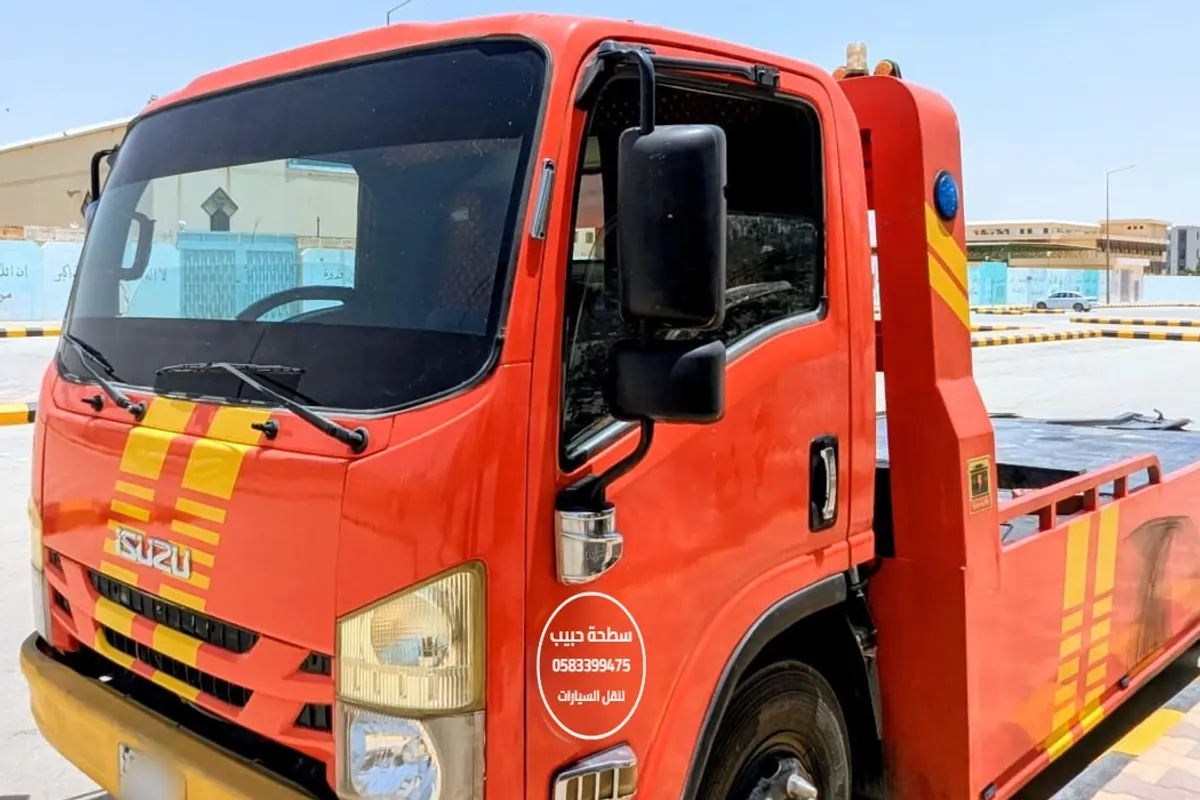
South via King Fahd Road or Abu Bakr Al Siddiq Road. Used for trips to central districts and dealers.
Area details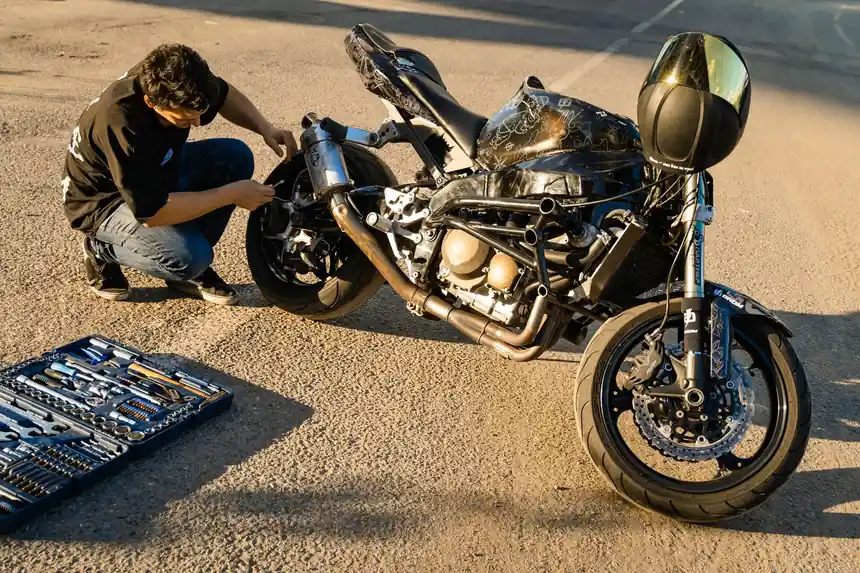
Meets the Northern Ring Road at its eastern end. The main route south to Al Sulay workshops from the north.
Area details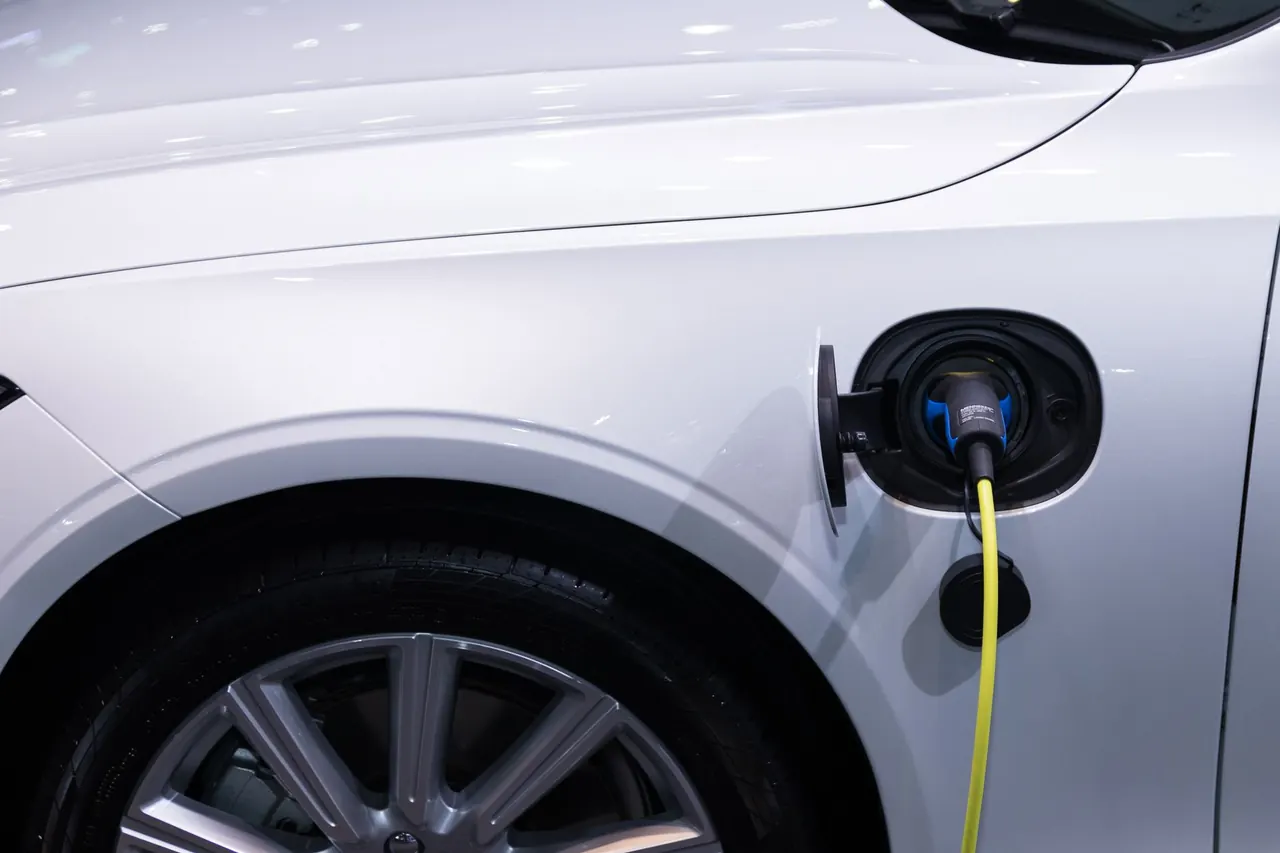
Reached via the Eastern Ring Road or King Fahd Road south. The route for cars going to southern workshops.
Area detailsAt night on a fast ring road, it is tempting to accept the first truck that stops. A few questions protect you from unsafe loading and changing prices. Here is what to ask before you agree.
A call on approach confirms the truck is the one you booked, not a roaming truck. It also lets you stay safely behind the barrier until we are there.
Some operators add night charges or raise prices once the car is loaded. A written price that does not change with the hour is the best protection.
On a fast road, the beacon and a triangle well behind the car are essential. An operator who mentions these takes safety seriously.
Many cars in north Riyadh are EVs and automatics, which can be damaged if dragged. Full flatbed transport is the safe answer.
At night most workshops are closed. An operator who offers a two-leg plan, priced together, avoids leaving your car outside a closed garage.
Yes, 24 hours a day at the same price as daytime. At night we often arrive within 20 to 40 minutes because traffic is lighter. We phone before arriving, load with the amber beacon on and place a triangle well behind the car before we start.
Switch on hazards, leave the car from the side away from traffic and wait behind the barrier with all passengers. Do not stand beside or in front of the car. Send your live pin and the last exit you passed, and we will come in on the correct side.
Going home to a nearby northern district usually costs 90 to 150 SAR for a standard car in 2026. Al Sulay is a longer run, typically 150 to 250 SAR. Luxury cars start at 150 SAR, and the price is fixed in writing before we leave, at night too.
Yes. We set the car's transport mode, winch it onto the flatbed with the wheels free and take it to a compatible charger or your home charger. EVs are never dragged, which protects the motor and inverter.
Yes. We load only after Najm or the traffic police have documented the accident and released the car. Our quote stays the same while you wait, and we clear the shoulder quickly once the report is done.
Question not here? Send it on WhatsApp to 0583399475 and we reply at any hour.
Ask us on WhatsAppWe answer calls and WhatsApp messages 24 hours a day, seven days a week, on one number: 0583399475. The fastest way to get a price is a WhatsApp message with your live location pin, the car model and the destination. Most quotes go out within a few minutes, and inside Riyadh the truck usually reaches you in 30 to 45 minutes.