Honest arrival times
We call before we arrive, so you can wait somewhere safe.
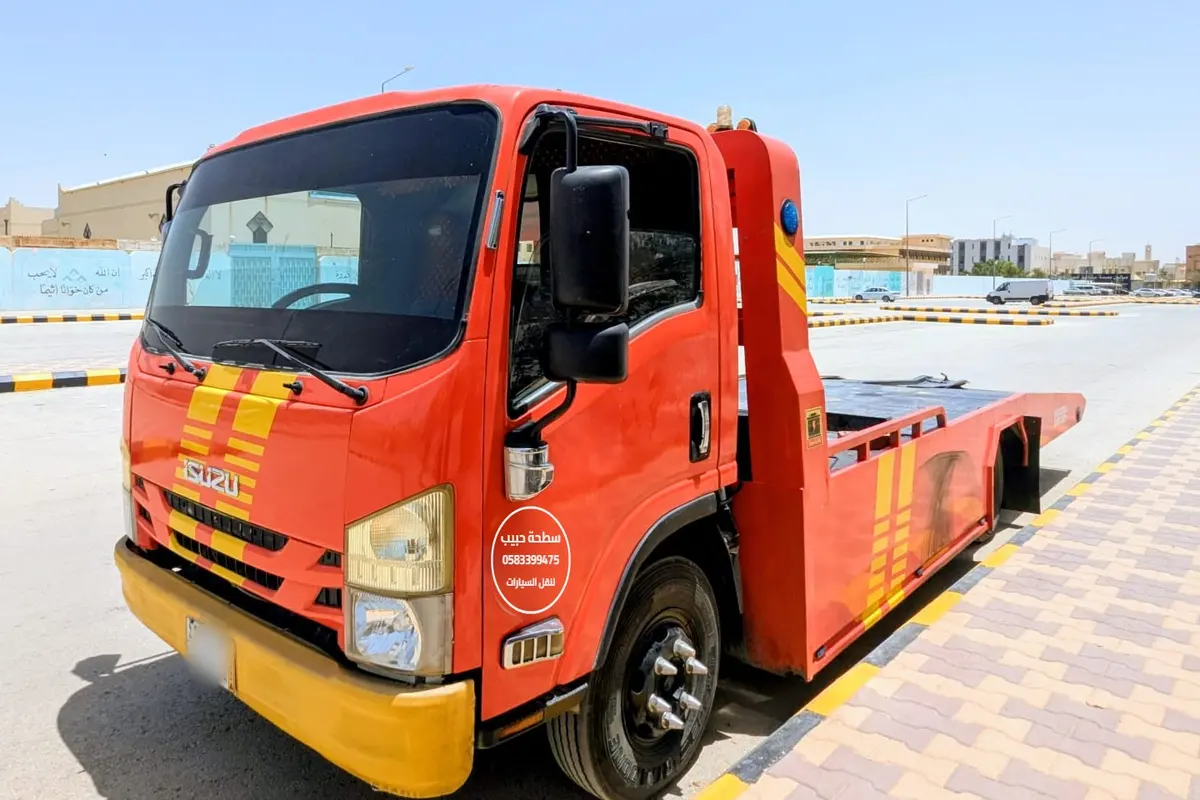
Our towing service in Riyadh Makkah Highway covers the first, hardest stretch west of the city, where the road drops off the Tuwaiq escarpment beyond Tuwaiq district and climbs back on the return. Brakes fade on the long descent, engines overheat on the climb and loaded family cars show every weakness. We load on a flatbed and either bring the car back to Riyadh or carry it on to Jeddah or Makkah from 1,100 SAR.
We call before we arrive, so you can wait somewhere safe.
You agree the full price on WhatsApp before the truck moves.
No dragging on two wheels, so gearboxes and EV motors stay safe.
Same price at night and on holidays, paid once the car arrives.
A towing service in Riyadh Makkah Highway is a highway recovery and transport service for vehicles that break down or crash on the expressway from Riyadh toward Makkah and Jeddah, especially on the stretch just west of the city. Soon after leaving Riyadh past Tuwaiq district, the highway descends from the Tuwaiq escarpment in a long grade, then continues west past Al Muzahimiyah and Al Quwayiyah into hundreds of kilometres of open desert. That descent defines most of our calls. Drivers heading west ride their brakes all the way down, and pads and fluid overheat until the car will not stop as it should. Drivers heading back to Riyadh climb the same grade with full loads and the air conditioning on, and engines and gearboxes overheat. Many of these cars carry families on Umrah or holiday trips. The first question we ask is whether you are on the descent, the climb or flat ground, because stopping in the middle of a grade needs a different approach. The second is whether to return to Riyadh or continue west. After 10 years of towing in Riyadh, we know the safe loading points before and after the escarpment. Car transport to Jeddah and Makkah from Riyadh is a regular part of this work.
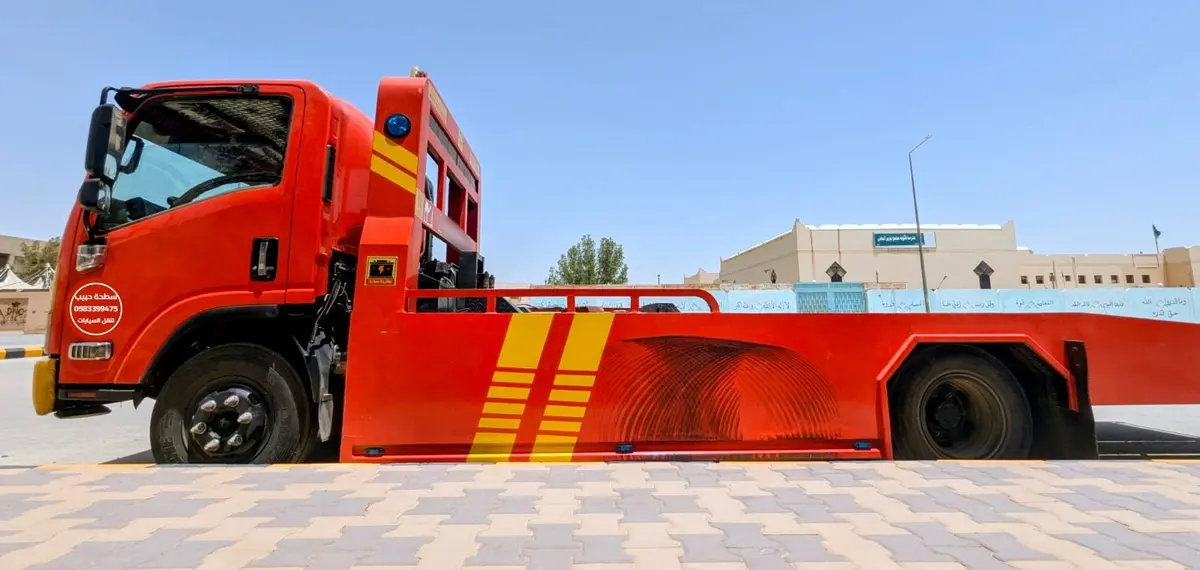
Makkah highway calls revolve around the Tuwaiq grade and long-distance travel. Car transport to Jeddah and Makkah from Riyadh is a large share of the work, and every service below runs along the road.
Cars with faded brakes or overheated engines are loaded at a level point near the grade and carried fully on the flatbed, so nothing is driven or dragged on the slope.
View service →02Pilgrims often travel at dawn or late at night. We answer at any hour at the same price and load with the beacon on, even on dark mountain stretches.
View service →03Accidents on the descent are often caused by speed or brake failure and can be severe. After the traffic police release the car, we load it and take it to a Riyadh workshop or onward.
View service →04Brake fade going down and overheating coming up are the main faults. We carry the car without running it to a workshop in west Riyadh, Al Muzahimiyah or the owner's mechanic.
View service →05Many owners prefer not to drive high-value cars 900 km to the Hijaz. We carry them on the flatbed with ramps, tyre-only straps and photos at both ends.
View service →06Long climbs drain EV batteries quickly, and chargers are far apart. We load EVs in transport mode and take them to a charger, back to Riyadh or onward.
View service →07Touring riders heading west face the same descent. We carry broken-down bikes upright with soft loops and four straps back to the city or onward.
View service →08Door-to-door transport from Riyadh to Jeddah or Makkah costs 1,100 to 1,400 SAR, with your car travelling alone on the flatbed.
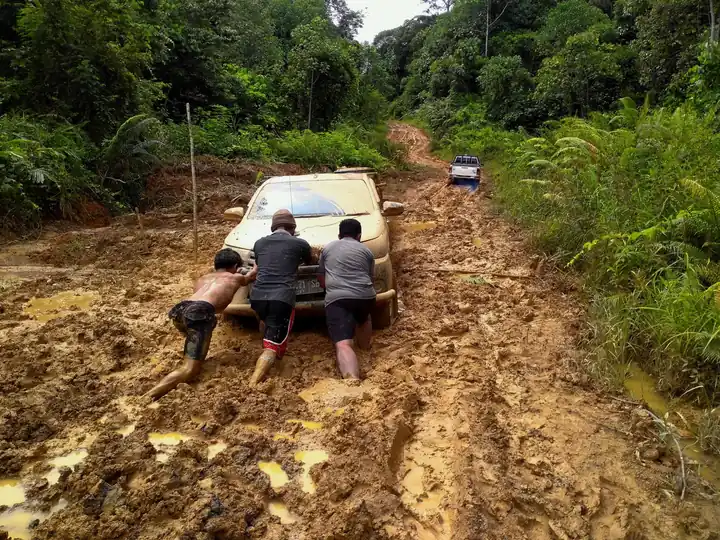
View service →09Travellers who stop to rest on soft sandy shoulders near Al Muzahimiyah sometimes sink. We winch them back to firm ground from the hard shoulder.
View service →Towing on the Makkah highway starts with where you are on the grade. If the car stopped mid-descent, we ask the driver to put on the hazards, apply the handbrake, put the gearbox in P and move everyone behind the barrier. We avoid loading on the steepest part of the grade where possible. If the car can roll safely to a level section or a wider shoulder, we guide the driver there; if not, we winch it slowly with extra securing. On the climb back toward Riyadh, overheated engines must be switched off immediately, and the car is loaded without being restarted. Once past the escarpment, the road is flat and fast, and we work from kilometre markers. On every call, we quote two prices: return to Riyadh, or continue to Jeddah or Makkah. For brake faults, we strongly advise against continuing on the same brakes even after they cool, because faded brakes weaken faster the second time. From west Riyadh, the Tuwaiq descent is usually 30 to 50 minutes away, and loading takes 15 to 25 minutes. Car transport to Jeddah and Makkah from Riyadh takes 10 to 12 hours of driving.
Brakes fade after continuous use, and stopping or loading on a steep grade is risky for the car, the truck and passers-by. We choose a level loading point before or after the descent if the car can reach it, and otherwise winch slowly with extra securing and passengers behind the barrier.
Extra weight stresses brakes on the descent and engines on the climb, and families need a safe place to wait. We ask for roof loads to be removed before loading, arrange how passengers continue or return and give honest arrival times.
A breakdown near the start of a 900 km trip forces a decision that affects plans and costs. We quote returning to Riyadh and transport to Jeddah or Makkah, so the family can decide with the numbers in front of them.
Long descents require low gears and avoiding constant braking. We remind drivers of this, because most brake failures on the Tuwaiq descent come from riding the brake pedal.
On descents and bends, approaching drivers need earlier warning. We place the triangle further back than usual and ask drivers to do the same.
The Tuwaiq escarpment and the long run west bring their own problems. Four of them account for most of our calls.
Drivers rely on the brake pedal down the long grade instead of low gears, and with family loads the pads and fluid overheat. We load the car at the safest point nearby and take it to a workshop to check pads, discs and fluid, advising against continuing on the same brakes.
The long climb with the AC on and a full load raises engine temperature, exposing weak radiators, pumps and thermostats. We load the car without running it and take it to a cooling workshop. Switching off early usually saves the engine.
Automatic gearboxes overheat on long grades with heavy loads, and old fluid makes failure more likely. We carry the car fully on the flatbed to a gearbox specialist, never dragging it on the grade.
Breakdowns in the first 100 km leave families unsure whether to return or continue to the Hijaz. We quote both options clearly, so the family can decide with real numbers.
Typical 2026 prices on the Makkah highway depend on your position and the destination. Breakdowns near the city end, before the descent, usually fall in the 150 to 250 SAR band to bring the car back to a Riyadh workshop. From the Tuwaiq descent or Al Muzahimiyah, prices start at 220 SAR and rise with the kilometre marker. Door-to-door transport from Riyadh to Jeddah or Makkah costs 1,100 to 1,400 SAR. Prices do not rise in Umrah seasons, holidays or at night.
Before the descent is close to the city. The descent, Al Muzahimiyah and beyond add distance, quoted from the kilometre marker.
Returning to Riyadh and transport to Jeddah or Makkah are priced separately. We quote both so you can compare.
Standard cars use the base rates. Luxury and heavily loaded cars sit at the upper end. Roof loads must be removed before loading.
On a mountain road and long desert stretches, precise references matter. The Tuwaiq descent is the key landmark, the kilometre signs and exits give exact positions, and fuel stations before and after the descent are the safest waiting points. Tell us whether you are on the descent, the climb or flat ground, plus the kilometre marker.
The long grade where the highway drops west of Riyadh. Telling us you are on it changes how we approach and load.
The most accurate way to give your position. Send the nearest sign and your direction, as the road is divided.
Safer places to wait and load than a grade shoulder, if the car can reach them without risk.
Fuel stations, restaurants and small workshops serving travellers, the first service stop after the Tuwaiq descent.
Connect the start of the Makkah highway with the rest of Riyadh.
The highway itself, running west from Riyadh toward Makkah, Jeddah and Taif.
The Makkah highway passes through west Riyadh districts and then towns along the route. These four are where many of our calls start.
A large residential district in west Riyadh near the start of the highway. Many families set off for the Hijaz from here, and cars brought back from the highway often return here. At the city end of the highway, reached within minutes from west Riyadh.
A district on Riyadh's western edge above Wadi Laban, near the highway entrances. Calls include pre-trip breakdowns and transport to the Hijaz. North-east of the highway start, reached within 30 to 45 minutes.
A governorate on the highway beyond the Tuwaiq descent, with fuel stations, workshops and shops. For simple faults, a local workshop here can be quicker than returning to Riyadh. About 60 km west of Riyadh on the highway, reached within 50 to 70 minutes.
A governorate further west on the route, often a rest stop before the long desert stretch. Breakdowns here usually follow hours of driving. More than 150 km from Riyadh, so we give honest arrival times before dispatch.
These examples reflect common calls on the Makkah highway, from the Tuwaiq descent to transport to the Hijaz.
A family heading for Umrah felt their brakes fade halfway down the Tuwaiq descent, with a burning smell from the wheels. We told the driver to stop on the widest shoulder, set the handbrake and move everyone behind the barrier. We winched the car to a level section after the descent with extra securing and loaded it. The family chose to return to Riyadh, where the workshop found worn pads and boiled fluid. They travelled the next day. Priced by distance.
An SUV returning to Riyadh overheated on the Tuwaiq climb, with steam from the bonnet. We advised switching off immediately. We loaded the SUV without restarting it and carried it to a cooling workshop in Riyadh. The engine was saved because it was switched off early. Priced by distance before dispatch.
An employee transferring to Jeddah wanted the car there before arriving by air. We collected the car from Tuwaiq district the evening before the flight, drove overnight to avoid the heat and delivered it in Jeddah with photos. The car was waiting when the employee landed. Price within the Jeddah transport range.
October brings Umrah trips by car back after the summer heat, and the Tuwaiq grade sees more loaded family cars. Car transport to Jeddah and Makkah from Riyadh rises with the travel calendar.
From October, Umrah and holiday trips by car resume, and summer-worn brakes and cooling systems fail on the grade. The first rains in late October or November make the descent slippery.
Peak Umrah and school holiday travel. Cold mornings and occasional fog affect early departures.
Dust storms can reduce visibility suddenly on the open desert stretches.
Fewer road trips but extreme heat on the climb and on the desert stretch, raising overheating and tyre risks.
Cars collected on the Makkah highway usually return to Riyadh workshops, though many continue to the Hijaz. These are the city corridors we connect with most when bringing cars back.
Across the city to the east. A home destination for east Riyadh families returning from the highway.
Area details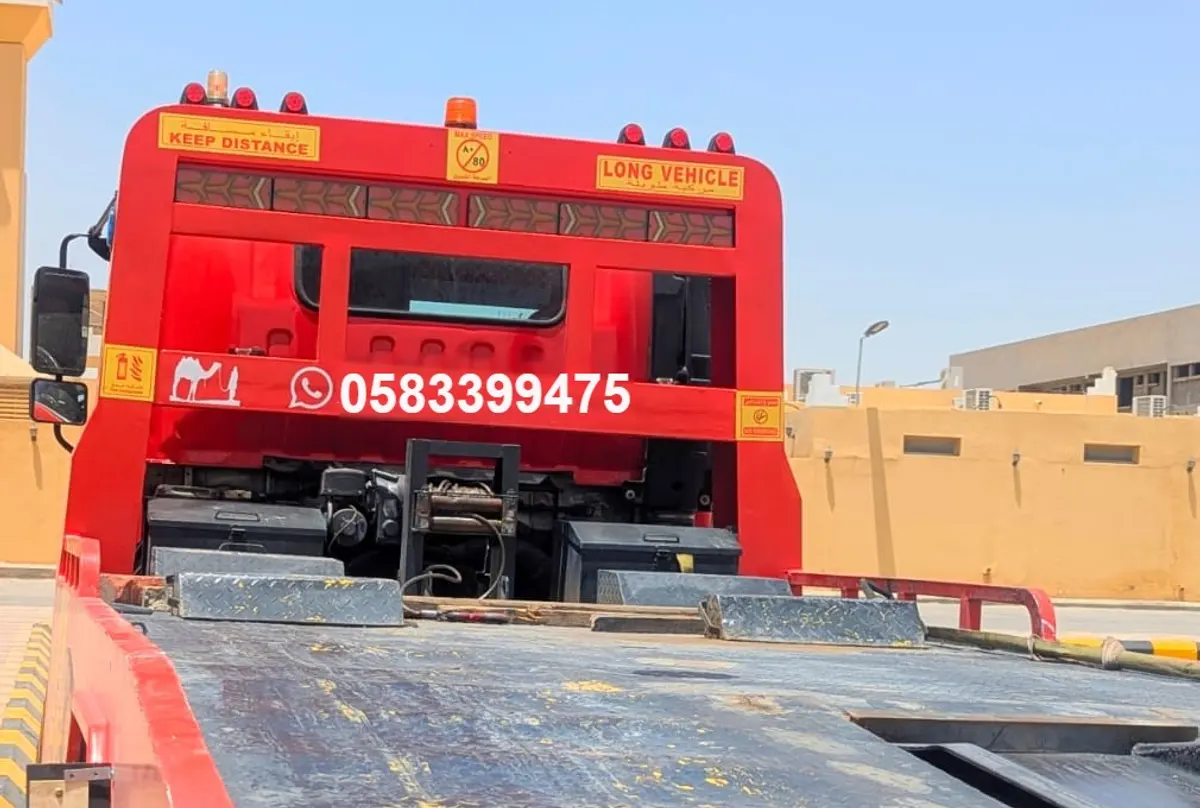
North-east via the central districts. Used for trips to central homes.
Area details
North via King Khalid Road. Used for trips to northern districts.
Area detailsVia the Southern Ring Road. The route to Al Sulay workshops for brake and cooling repairs.
Area detailsOn a mountain road far from home, the right questions protect your family and your trip. Ask these before you agree.
An operator who plans a level loading point or extra securing on the slope takes the risks seriously.
Two prices side by side make the choice easy.
A good operator will tell you honestly that faded brakes are not safe for the rest of a long trip.
Some operators raise prices in peak seasons. A fixed written price protects you.
A call lets you stay safely behind the barrier until the truck is there, especially on dark stretches.
No. Brakes that faded once weaken faster the second time, and much of the trip may still be ahead. Stop safely, let us load the car and have the brakes checked before driving further.
Jeddah or Makkah from here is 1,100 to 1,400 SAR in 2026, set by the car and the exact address. Yours is the only car on the bed, photographed at pickup and again at handover.
Switch off the engine immediately, do not open the radiator cap and move everyone to safety. Send your kilometre marker and direction. We load the car without restarting it and take it to a cooling workshop.
Usually 30 to 50 minutes from west Riyadh. Further west, we give an honest estimate from your kilometre marker before dispatch.
Yes, around the clock, with no seasonal or night surcharge. We ring you as we get close and load with the amber beacon flashing.
Question not here? Send it on WhatsApp to 0583399475 and we reply at any hour.
Ask us on WhatsApp
We answer calls and WhatsApp messages 24 hours a day, seven days a week, on one number: 0583399475. The fastest way to get a price is a WhatsApp message with your live location pin, the car model and the destination. Most quotes go out within a few minutes, and inside Riyadh the truck usually reaches you in 30 to 45 minutes.