Honest arrival times
We call before we arrive, so you can wait somewhere safe.
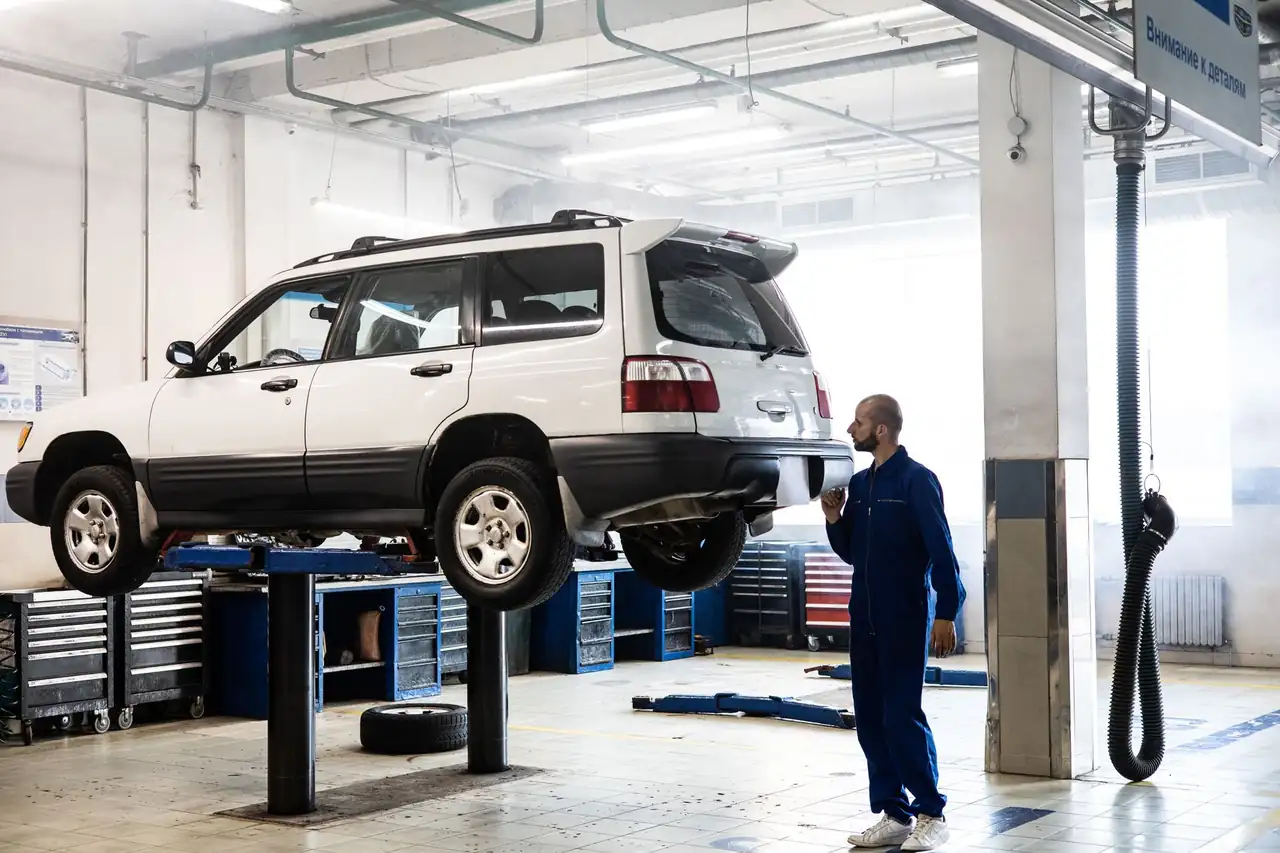
Accident car towing in Riyadh starts once Najm or the traffic police have finished their report and the scene is released. We winch the damaged car onto a flatbed, keep straps away from bent panels and broken suspension, and deliver it to your workshop, the insurer's approved garage or a damage assessment centre. Photos at pickup and drop-off are included on request, which helps your insurance claim from the first day.
We call before we arrive, so you can wait somewhere safe.
You agree the full price on WhatsApp before the truck moves.
No dragging on two wheels, so gearboxes and EV motors stay safe.
Same price at night and on holidays, paid once the car arrives.
An accident tow is quoted as one job covering the safe loading of a damaged car and delivery to one destination. A later move, for example from home to the insurer garage, is a second leg and is quoted up front if you know you will need it.
We check which wheels roll, whether anything hangs low and whether fluids leak. This decides how the car is winched and secured, and we share what we see with you and the workshop.
Damaged cars that cannot move under their own power are winched onto the bed at no extra charge. Locked wheels are guided up the ramps slowly to avoid twisting suspension parts further.
Securing points are chosen to avoid crushed panels and bent arms. On a heavily damaged car this can mean straps on three wheels plus careful positioning on the bed.
On request we photograph the car from all sides before loading and after delivery, and send the photos to your WhatsApp for your insurer and workshop.
The agreed price, pickup point and destination stay in writing on WhatsApp, with photos of the car. Ask your insurer whether that record is enough when towing is part of a comprehensive claim.
Accident car towing in Riyadh is the recovery and transport of a vehicle damaged in a collision, needed when the car cannot be driven safely or legally from the scene. The order matters. First the injured are helped, then Najm or the traffic police document the accident and issue the report that sets each driver's share of fault. Only after that do we load the car. Moving it before photos and a report can cost the owner their claim, so we never rush the scene even when traffic is building.
Collisions damage cars in ways that make ordinary towing risky. A front impact can bend a lower control arm, lock a wheel or crack the radiator, leaving coolant on the road. Side impacts can push a wheel out of line so it will not roll straight. Rear impacts often leave the bumper hanging low enough to catch on a tow hook. Collision vehicle recovery on a flatbed handles all of these: the car is winched slowly, the damaged side is kept clear of straps, and nothing is dragged on a wheel that is no longer straight.
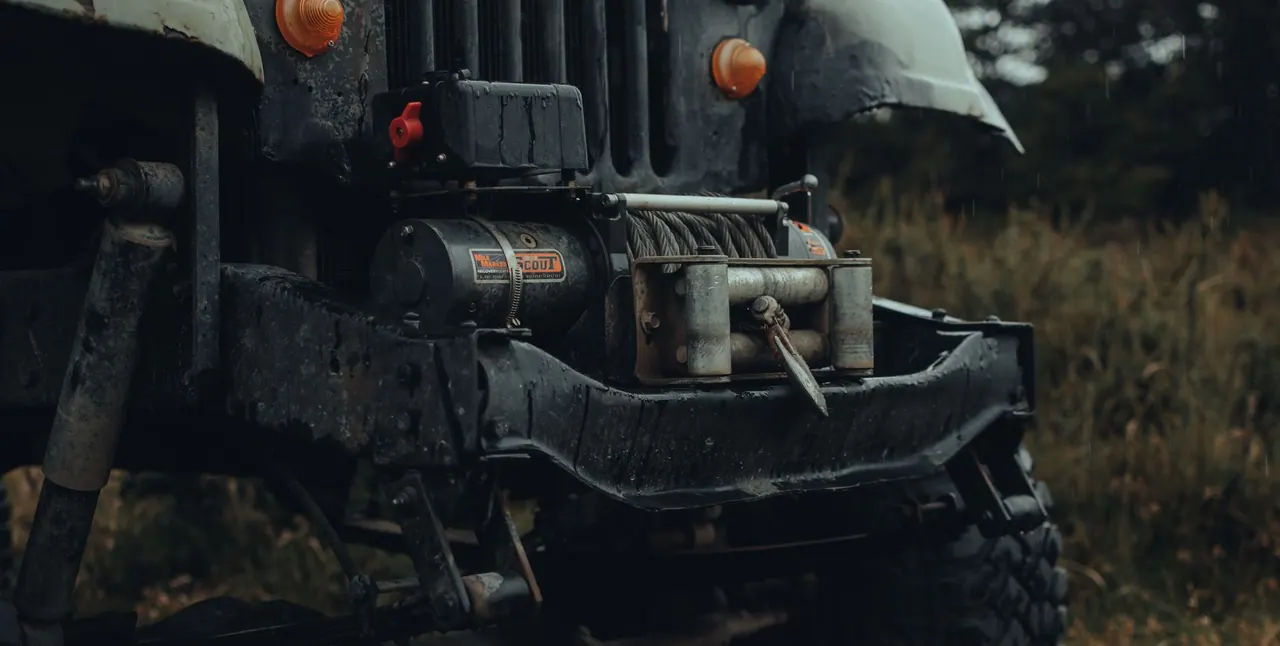
If anyone is hurt, emergency services come first. For minor accidents, photograph both cars and their positions, then follow Najm or the traffic police instructions on moving cars out of traffic. You can call us at this stage to book the truck while the report is being completed.
Send the location, car model, a photo of the damage and where the car should go. If you do not know yet, call your insurer first. We quote in writing and give an arrival time, and we will not load until the report is done or the authorities release the car.
On arrival we look at which wheels roll, whether anything hangs low, and whether fluids are leaking. That decides how the car is winched and where the straps go. On fast roads the beacon and triangle go out first and passengers stay behind the barrier.
The car is winched slowly onto the flatbed. Wheels that will not roll straight are guided up the ramps, low-hanging bumpers are checked for clearance, and straps go only on undamaged tyres. Photos are taken from all four sides if you want them for the claim.
We deliver to the workshop, insurer garage, assessment centre or your home, and send the photos to your WhatsApp. Payment is made after delivery. If your policy covers towing, the written price and photos on WhatsApp give you a record to show the insurer.
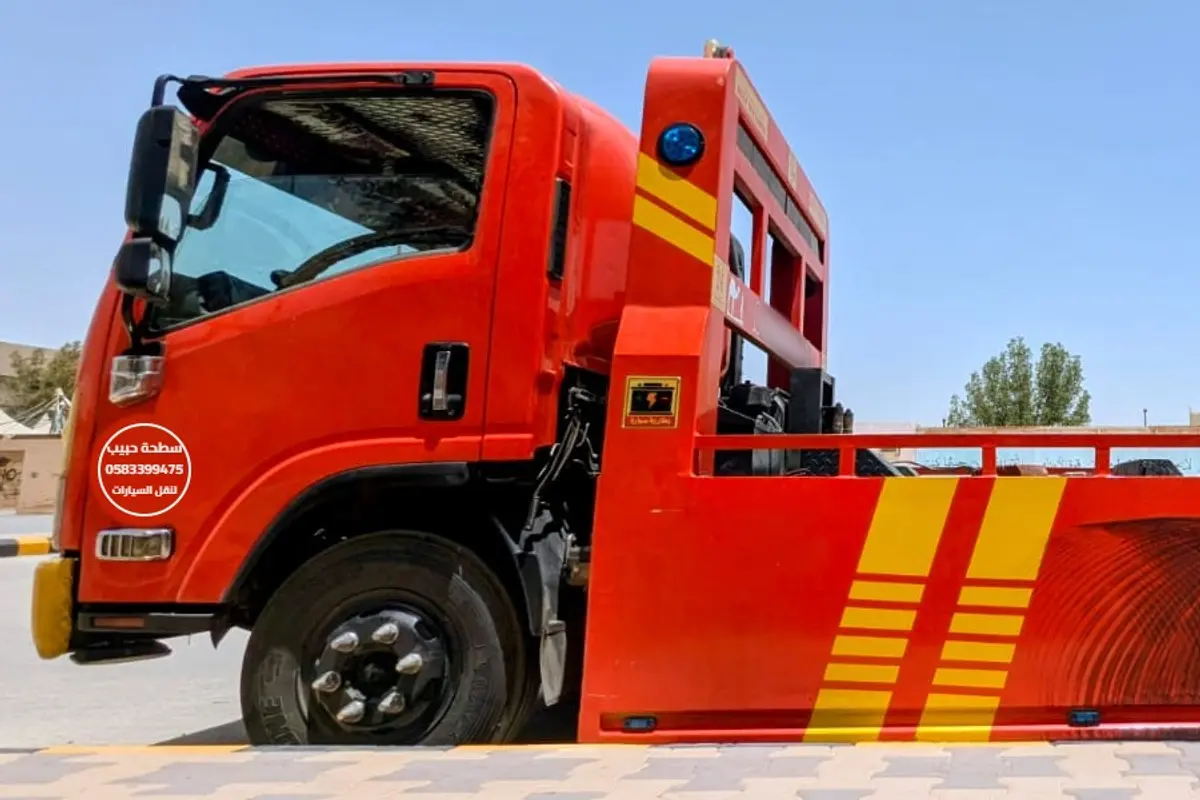
Lets damaged cars be pulled onto the bed slowly without driving or dragging them on bent or locked wheels.
Reduce the angle for cars with low or hanging bumpers and help guide misaligned wheels onto the bed.
Secure the car through undamaged tyres only, keeping force away from crushed panels and broken suspension.
Protect the loading area at accident scenes, where traffic is often slowed but still passing close.
Record the car's condition at pickup and delivery and send the photos to the owner immediately for the insurance file.
No car is loaded until Najm or the traffic police have documented the accident and released it. If they are still on the way, we wait at a safe distance and keep the quote unchanged.
Before strapping, we decide which tyres can take load and which parts must not be touched. On heavy damage, the car may be placed slightly off-centre on the bed so straps reach the good wheels.
Cars leaking coolant or oil are loaded without starting and positioned so drips fall on the bed rather than the road. We note the leak for the workshop so the inspection starts there.
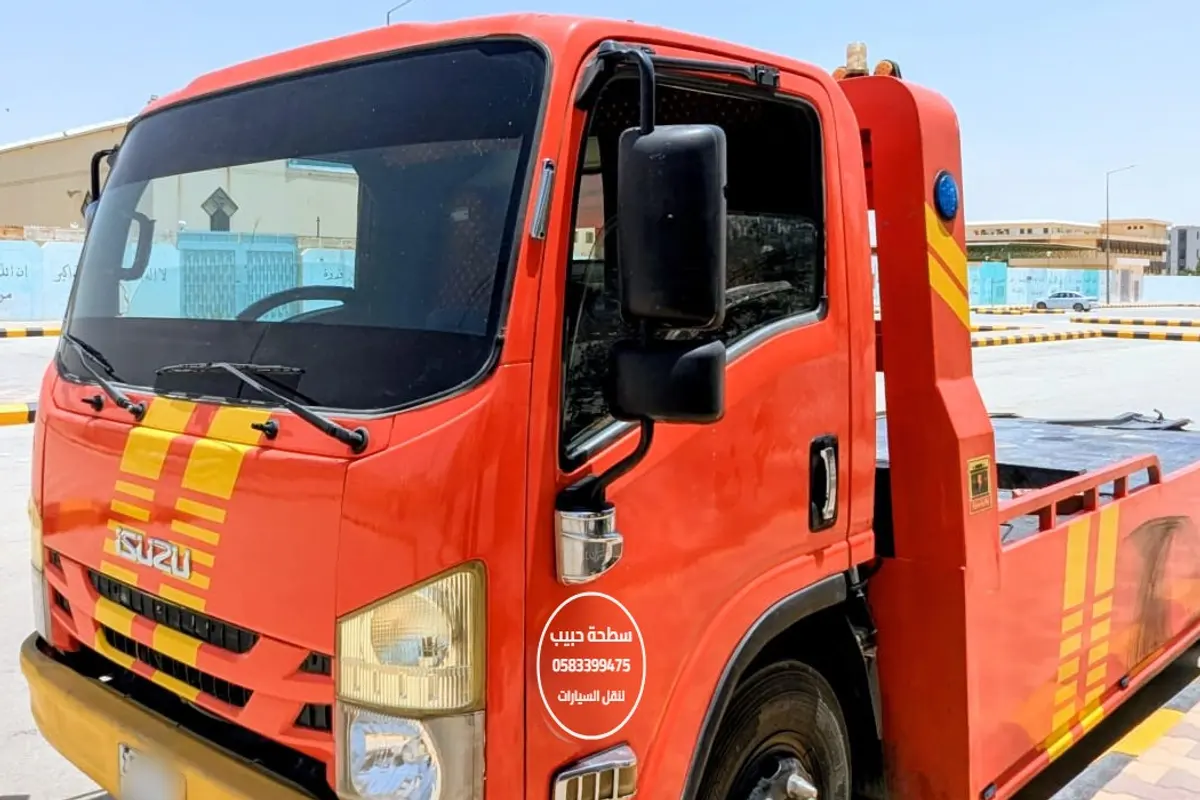
Once Najm finishes, we load the car with the hanging bumper checked for clearance at the bed edge and tied safely so it cannot fall off on the move. The car reaches the insurer's garage with no further damage, and the photos match the report.
We winch the car slowly, guiding the misaligned wheel up the ramps, and strap the three good wheels. The car goes to a body shop chosen by the owner. The repair covers only the collision damage, with no extra suspension work caused by the tow.
After the traffic police release it, we park on firm ground, winch the car back onto the shoulder and then onto the bed, with the beacon on throughout. The car is in Riyadh the same night and the owner has the photos and the written price for the insurer.
Accident towing in Riyadh is shaped by the city's fast ring roads, its heavy truck traffic and its weather. The Eastern and Southern Ring Roads carry many trucks heading to the industrial areas, and collisions there often happen at speed, so scenes need extra space and time. King Fahd Road and King Abdullah Road see rush-hour rear-end collisions where the cars can usually still roll but bumpers hang dangerously low. October brings the first rains of the season, and the first wet nights produce a sharp rise in accidents because oil and dust on the asphalt make it slippery. Winter mornings add fog patches on some outbound highways. Summer brings tyre blowouts on hot asphalt that end in single-car accidents. Najm handles most minor accidents in Riyadh, while the traffic police deal with injuries and disputes. Through all of it, towing a car to an insurer-approved garage in Riyadh should be the calm part of the day, and collision vehicle recovery done carefully keeps it that way.
Heavy truck traffic and narrow shoulders in places mean accident scenes need fast, careful loading and a well-placed triangle.
Rush-hour rear-end collisions are common. Cars often roll but have hanging bumpers that need checking before they go up the ramps.
Many body shops and insurer-approved garages are here, so a large share of accident tows end in Al Sulay.
Night accidents with cars leaving the road onto soft shoulders, where winching back to firm ground comes before loading.
Accident calls rise sharply in the first wet nights from late October. We keep prices the same and give honest wait times when demand jumps.
Collisions at speed leave more damage and more debris. Loading takes slightly longer and needs the scene fully protected before we start.
Blowouts cause single-car accidents on highways. Damaged wheels and bent rims need slow winching and careful strap placement.
A sedan was rear-ended on King Fahd Road at 5 p.m. The rear bumper hung within a few centimetres of the road and the boot would not close. Najm completed the report in 40 minutes.
We loaded the car with the bumper checked and tied up for the trip, photographed all sides and delivered it to the insurer's garage in Al Sulay. The claim proceeded with no dispute over extra damage.
Prevention: Keep your insurer's claims number saved in your phone and take scene photos before anyone moves the cars.
A family SUV was hit on the side at a junction in Al Naseem. The rear wheel was pushed out of line and would not roll, and the first truck offered to drag it.
We winched it up the ramps with the locked wheel guided straight and strapped the three good wheels. The body shop found only the collision damage, with no new suspension work needed.
Prevention: Refuse any tow that drags a damaged wheel. Ask for a flatbed and straps on undamaged tyres only.
A car left the Kharj road at night after a tyre blowout and stopped on a soft sandy shoulder. The traffic police released it after midnight.
Standing on firm ground, we winched the car back to the shoulder and onto the bed, then drove it to the owner's home in Riyadh by 1:30 a.m. with photos for the insurer.
Prevention: Check tyre pressure and tread before summer highway trips, and replace tyres older than five years even if the tread looks fine.
Collisions create practical problems that have nothing to do with fault: a car that will not roll, a bumper dragging on the road, a workshop that will not accept a car without an assessment. Here is how we handle the most common ones in Riyadh.
Dragging a car on a locked wheel can twist suspension further, damage the tyre and add hundreds of riyals to the repair, and some insurers will question the extra damage. We winch the car slowly up the ramps, guiding the locked wheel so it slides rather than twists, and secure it through the wheels that still roll. The damage arrives at the workshop exactly as it was at the scene.
Moving a car before Najm or the police finish can weaken the owner's claim, and quoted prices from roaming trucks sometimes rise at the destination. We wait for the report and the release. Our price is in writing before we move and paid after delivery, so there is no reason to rush and no surprise at the gate.
Taking the car straight to a body shop can delay the claim if the insurer needs its own inspection first, leading to a second tow and more waiting. We ask where the insurer wants the car and deliver it there. If that changes later, the next move is quoted ahead, so the owner never pays twice for the same distance.
Leaks make the road slippery for following drivers and can damage the engine if the car is restarted to move it. We load without starting the engine, position the car to contain drips and tell the workshop what leaked. That points the inspection at the right systems straight away.
Priced by distance, car type and destination: 90 to 1,400 SAR
Typical 2026 prices for accident car towing in Riyadh follow the same distance bands as any tow: 90 to 150 SAR up to 15 km, 150 to 250 SAR for 15 to 30 km and from 220 SAR for longer trips, for standard cars. Luxury cars start at 150 SAR. Most damage does not change the band, and when slow winching will, we say so before you agree.
The price covers safe loading of a damaged car, photos on request and the price in writing. Avoiding a single dragged wheel or crushed panel saves more than the whole tow costs.
The insurer's garage, an assessment centre or your home may be at very different distances. Choosing the right destination first time avoids paying for a second leg.
Locked wheels, hanging parts or a car off the road add winch time. Most stay within the band, and we quote any difference up front after seeing photos.
A damaged saloon or SUV is priced on the standard bands. Low or luxury cars start at 150 SAR, since a cracked bumper or a hanging splitter needs ramps and slower strapping.
If the car goes home first and to the garage later, or from assessment to body shop, each move is a leg. Booked together, they are priced as one job.
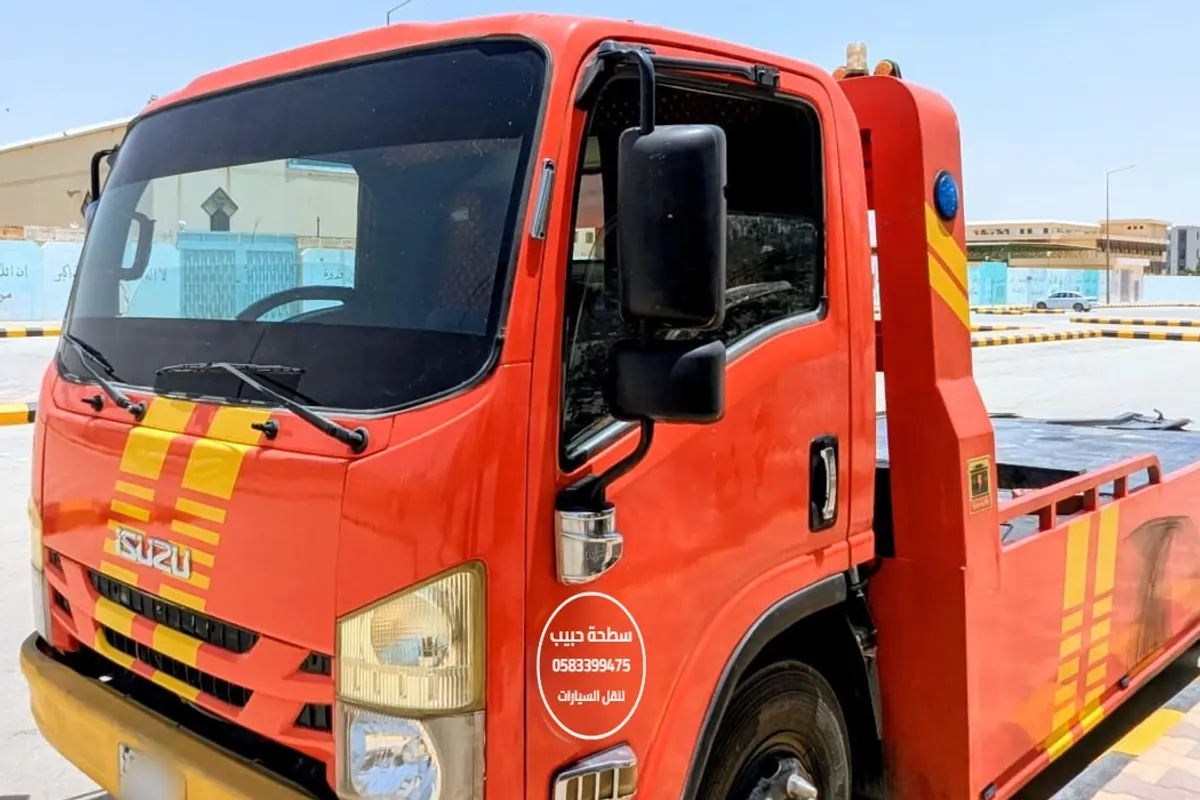
Habib Satha Towing has handled accident cars across Riyadh for 10 years, from minor bumper knocks on King Fahd Road to cars that left the road on the highways outside the city. Damaged cars behave differently on the winch than broken-down ones. Experience shows in knowing which wheel to guide, where a strap would crush a panel further and how long to wait for the authorities before a car can be moved.
For a minor accident with no injuries, photograph both cars and their positions first, then move them out of traffic if they can drive and the authorities ask you to. Do not tow or remove a car before the report is complete unless instructed. If someone is injured, leave the cars and wait for the traffic police and emergency services.
Often yes with comprehensive cover, depending on the policy and your share of fault in the report. Third-party cover usually does not pay for towing your own car. Check with your insurer before booking, and keep our written WhatsApp price and photos so you can include them in the claim if it is covered.
For a damaged standard car, expect 90 to 150 SAR when the body shop is under 15 km away and 150 to 250 SAR when it is 15 to 30 km away, with longer runs from 220 SAR at 2026 prices. Luxury cars begin at 150 SAR. A locked wheel or a hanging bumper slows loading but usually keeps the price inside the band. If it will not, we say so before you agree.
It depends on your insurer. Some require an approved garage, some ask for a damage assessment first and some let you choose. If you are not sure, the car can go home first and move again once the insurer decides. We quote both legs together so the second trip does not surprise you.
Question not here? Send it on WhatsApp to 0583399475 and we reply at any hour.
Ask us on WhatsApp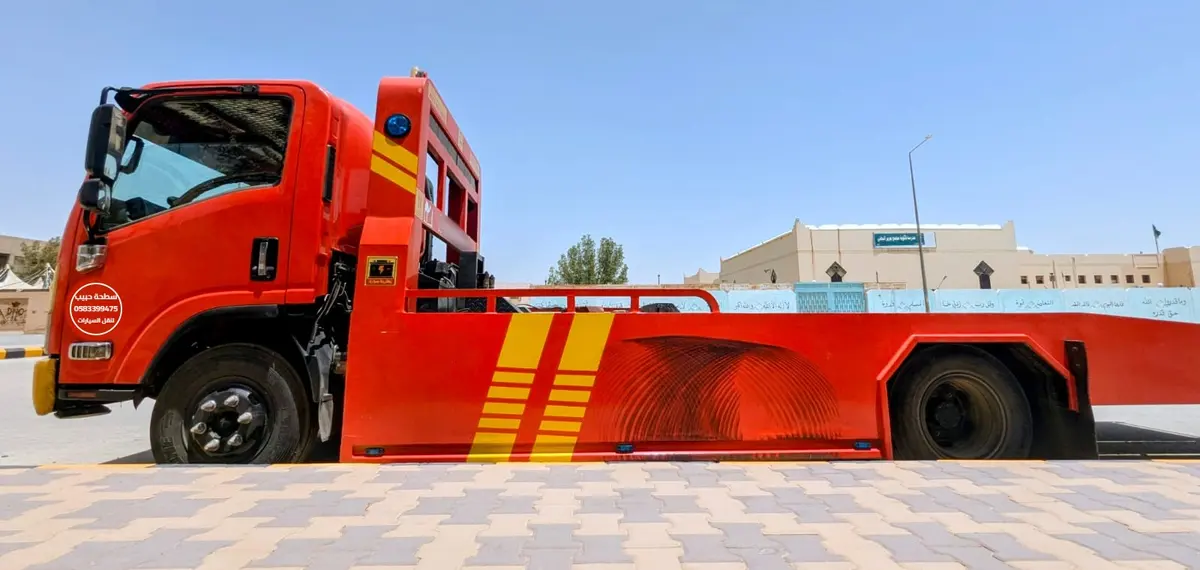
Every accident tow is a flatbed tow, because damaged cars must never be dragged on a wheel that may be bent. The full bed keeps the car stable and protects any drivetrain parts the collision did not reach.
View service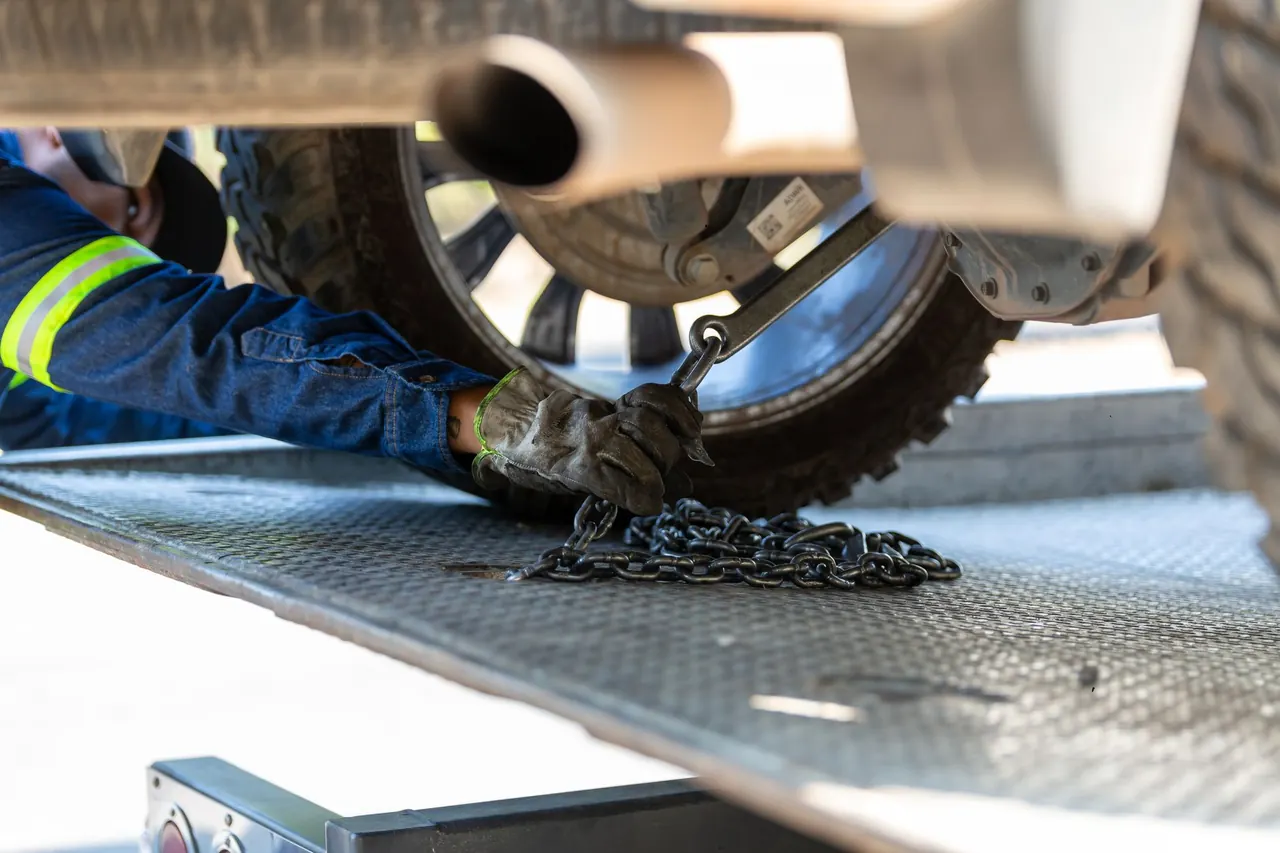
Many collisions happen at night or on wet roads after the first rains. The emergency service means a released accident car can leave the scene at 2 a.m. at the same price as daytime.
View service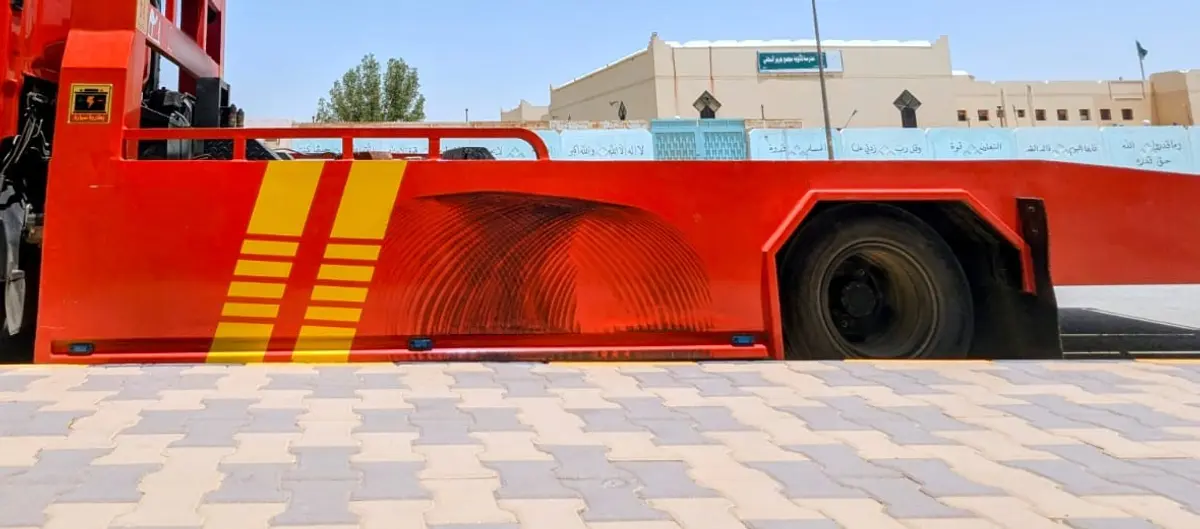
Sometimes a collision is minor but causes a mechanical fault later, such as a radiator leak that overheats the engine a few days on. Breakdown towing handles the car when the problem shows up away from the scene.
View service
High-value cars after a collision get extra care: ramps for low bodies, tyre-only straps and detailed photos. This matters for insurers and specialist body shops that inspect every mark.
View serviceWe answer calls and WhatsApp messages 24 hours a day, seven days a week, on one number: 0583399475. The fastest way to get a price is a WhatsApp message with your live location pin, the car model and the destination. Most quotes go out within a few minutes, and inside Riyadh the truck usually reaches you in 30 to 45 minutes.