Honest arrival times
We call before we arrive, so you can wait somewhere safe.
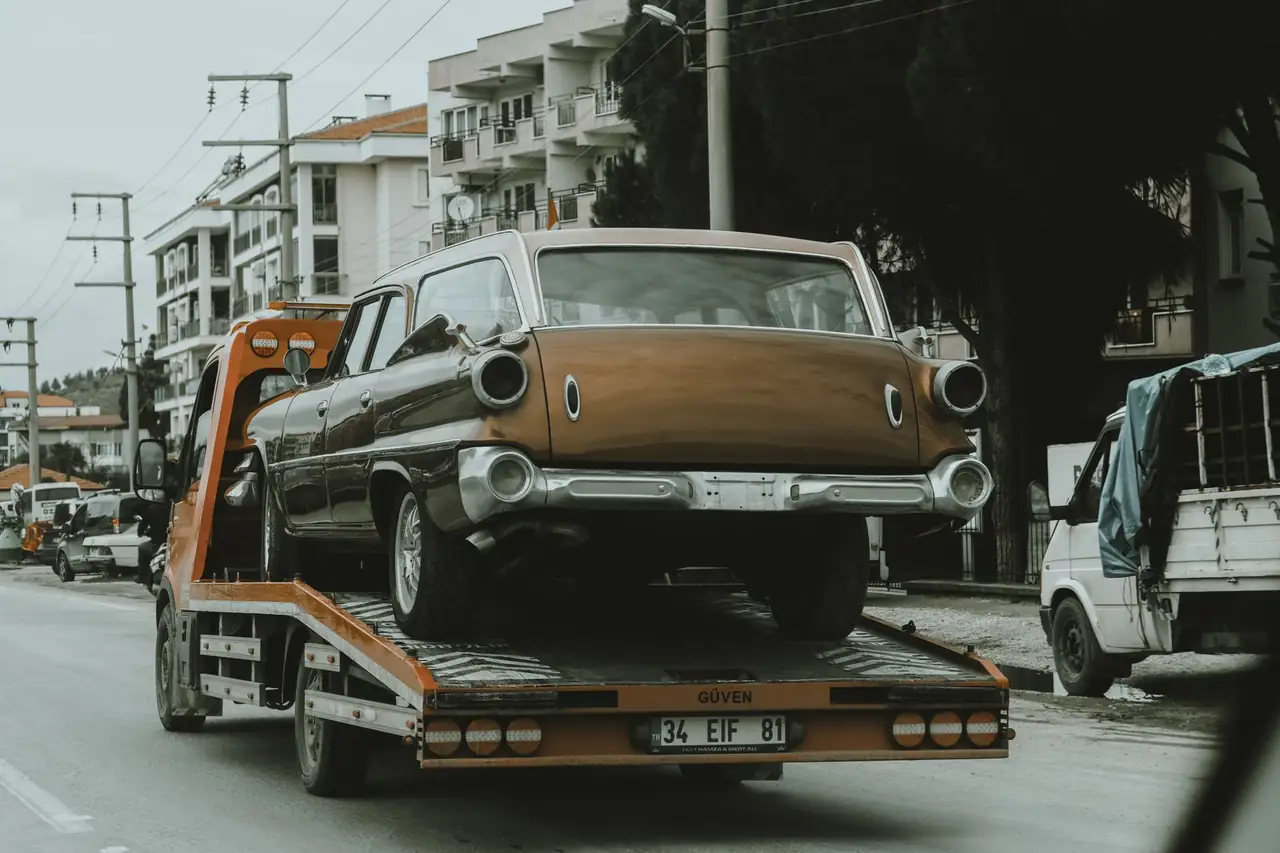
Our towing service in King Khalid Airport handles the problems travellers find when they land: a car that sat in long-term parking for weeks and will not start, a flat tyre after the heat, or a breakdown on the airport road on the way to a flight. We plan around terminal no-stopping rules and car park height limits, time pickups to your arrival and carry the car home or to a workshop on a flatbed.
We call before we arrive, so you can wait somewhere safe.
You agree the full price on WhatsApp before the truck moves.
No dragging on two wheels, so gearboxes and EV motors stay safe.
Same price at night and on holidays, paid once the car arrives.
A towing service in King Khalid Airport is a vehicle recovery service for cars that break down at or near King Khalid International Airport, in its car parks, on the airport road or in the districts beside it, delivering them home or to a workshop. The airport sits on Riyadh's northern edge, connected to the city by the airport road and King Fahd Road. Many travellers leave their cars in long-term parking for days or weeks, and in Riyadh's heat that often means a flat battery on return, sometimes a flat tyre too. Terminal forecourts have strict no-stopping rules, and multi-storey car parks have height limits that a flatbed cannot pass. Late-night arrivals add another layer: a tired traveller, luggage and a car that will not start at 2 a.m. After 10 years of towing in Riyadh, we know how to work around these rules: meeting cars at car park exits or open-air sections, timing the truck to the flight's landing and taking the car home while the traveller rides along. Long-term parking battery problems at Riyadh airport are our most common call here.
Airport calls are dominated by cars that will not start after long-term parking, followed by breakdowns on the airport road and trips for travellers. Long-term parking battery problems at Riyadh airport top the list, and every service below is available here.
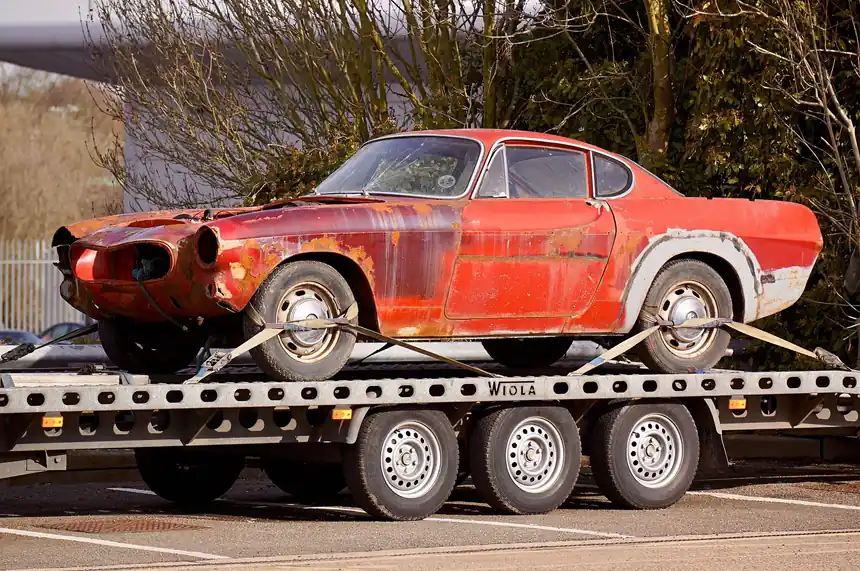
Cars are met at open-air car park sections or exits where a flatbed fits, then winched on and strapped at four tyres. We avoid multi-storey levels where height limits block the truck.
View service →02Flights land at all hours. We answer at any time at the day rate and can time the truck to your landing, so the car is collected as you leave arrivals.
View service →03Collisions on the airport road and in car park lanes happen. After Najm documents the scene, we load the car and take it to a body shop or the insurer's garage.
View service →04Dead batteries, flat tyres and fuel faults after weeks of parking are common. We carry the car to a battery shop, tyre shop or workshop. We do not jump-start.
View service →05High-value cars left at the airport get extra care: ramps, tyre-only straps and photos on collection, useful if the car sat for a long time.
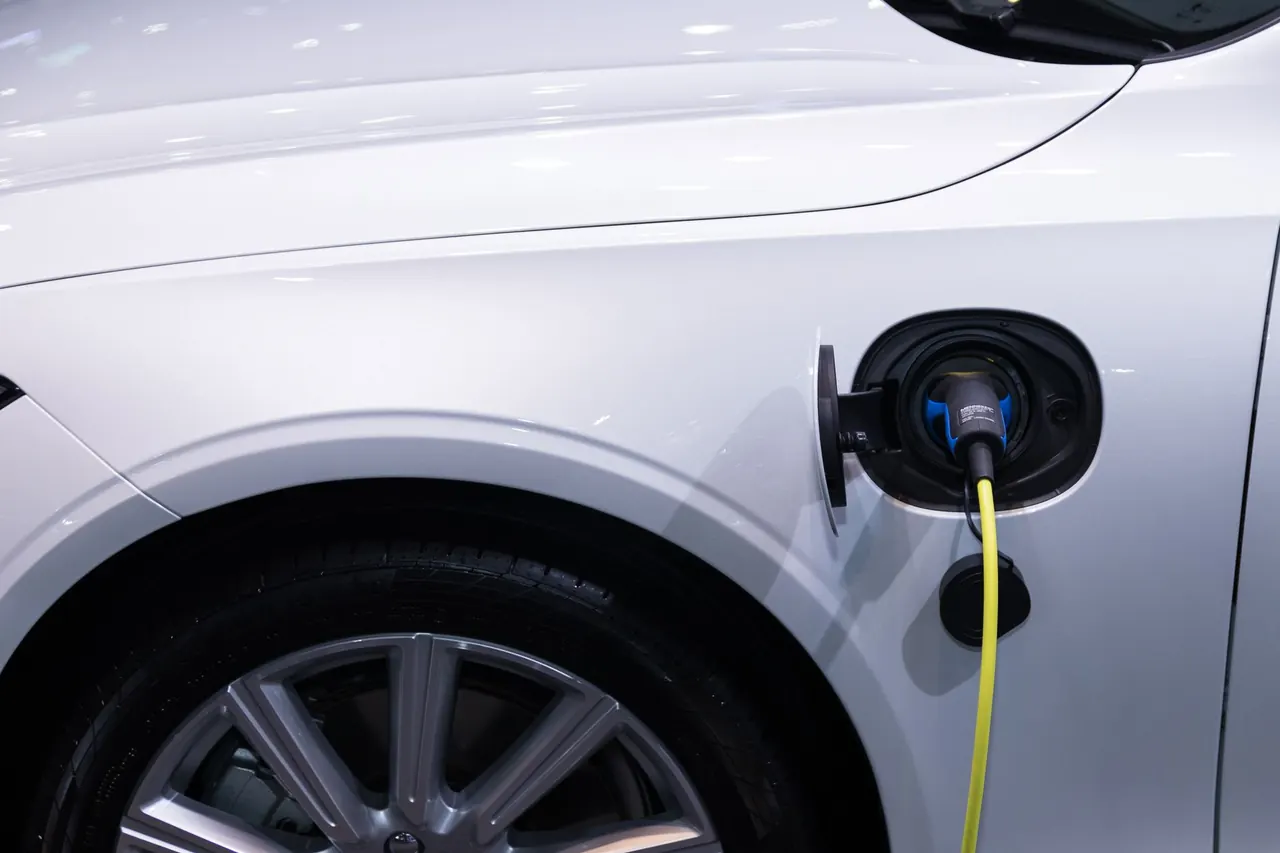
View service →06EVs left at the airport can return with a flat 12-volt battery and refuse to wake. We follow the model's procedure and take the car home or to the dealer.
View service →07Bikes left at the airport or breaking down on the airport road are carried upright with soft loops and four straps, home or to a workshop.
View service →08Travellers flying to Jeddah or Dammam send their cars on our flatbed instead of driving. We collect from home before the flight and deliver at the destination.
View service →09Unpaved areas on the airport's outskirts and nearby desert edges can trap cars. When the truck can stand on firm ground, we winch them out from 200 SAR.
View service →Towing at King Khalid Airport is about rules and timing. Terminal forecourts do not allow vehicles to stop and load, so we never meet cars at the departure or arrival kerbs. Multi-storey car parks have height limits, and a flatbed cannot enter most of them. For cars on upper or covered levels, we ask the owner to check whether the car can be rolled or winched down to an open-air section or the exit, sometimes with car park staff help. Cars in open-air long-term sections can usually be reached directly. Timing matters too: travellers often message us before boarding the return flight, giving the landing time and car park section, so the truck arrives as they collect luggage. Many returning cars have flat batteries; since we do not jump-start, we carry the car home or to a battery shop, and the traveller can ride along. Most airport jobs take 20 to 30 minutes on site. Long-term parking battery problems at Riyadh airport are easiest when you send the car park section and level in the first message.
Tow trucks cannot load at departure or arrival kerbs, so cars that fail there must be moved elsewhere. We meet cars in car parks or on access roads where stopping is allowed, never at the terminal kerbs.
A flatbed cannot enter most covered or multi-level car parks, leaving cars on upper levels out of reach. We ask for the level and section, and arrange for the car to be rolled or winched to an open-air section or exit where we can load.
Travellers arrive at all hours, tired and with luggage, and want the problem solved quickly. We take the landing time in advance and time the truck to arrive as the traveller reaches the car.
Airport roads and forecourts have strict stopping rules. We follow them and only load in permitted areas.
Car park operators may require payment and exit procedures before a car leaves. We coordinate with the owner and staff so the car can exit properly.
King Khalid Airport creates a distinct set of towing calls, shaped by long-term parking, strict rules and flight times. These four come up most often.
Cars left for weeks in Riyadh's heat lose battery charge, and alarm systems and electronics drain it further. We load the car and take it home or to a battery shop. We do not jump-start, so we quote the transport option clearly.
Height limits in covered and multi-storey car parks keep tow trucks out. We arrange for the car to be rolled or winched to an open-air section or exit, then load it there.
Cars fail on the airport road under time pressure, leaving travellers torn between the car and the flight. The traveller continues to the terminal while we collect the car from a safe spot and deliver it home or to a workshop.
The 12-volt battery in an EV can drain during long parking, locking the car even with charge in the main battery. We follow the manufacturer's procedure for a car with no 12-volt power and take it to the dealer.
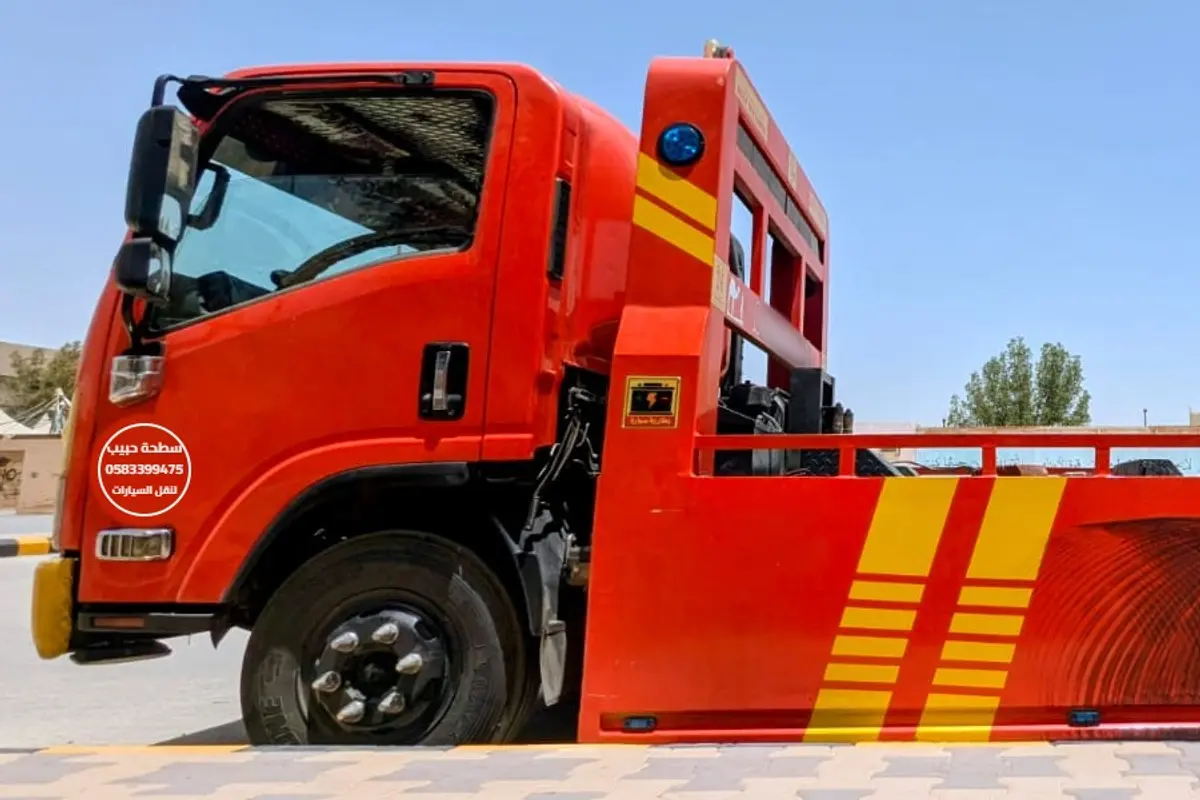
Typical 2026 prices for a tow from King Khalid Airport depend on where the car is going. Trips to homes in the northern districts usually fall in the 90 to 150 SAR band for a standard car. Central districts often cost 150 to 250 SAR, and east or south Riyadh usually start at 220 SAR. Luxury cars start at 150 SAR. Car park fees are paid by the owner. Prices are written before we move and are the same for late-night flights.
The airport is on the northern edge, so northern homes are close while southern districts are much further, moving trips into higher bands.
Open-air sections are quick. Covered levels need the car moved to an exit first, which takes longer but usually stays within the band.
Bringing a car home from airport parking costs the standard rate. Luxury cars start at 150 SAR, and electric cars cost the same as petrol ones.
At the airport, the most useful information is the terminal and the car park section. Tell us which terminal you used, whether the car is in long-term or short-term parking, and the section and level. The airport road and King Fahd Road are the main approaches. A live pin from the car park also helps.
The terminal number tells us which car parks and access roads to use. We never load at terminal kerbs.
Where most returning travellers find flat batteries. Open-air sections are easier for a flatbed to reach.
The main road between the airport and north Riyadh, where many breakdowns on the way to flights happen.
Fuel stations and services along the airport road, often a safe place to wait if the car can reach them.
Connects the airport area with north and central Riyadh, the main route for most trips.
South of the airport area, linking it with east and west Riyadh.
The airport is surrounded by northern districts whose residents use the airport road daily. These four are the ones we serve most often alongside the airport.
A northern residential district on the way to the airport. Calls include breakdowns on the airport road and no-starts at home. South of the airport, reached within 30 to 40 minutes.
A district beside King Fahd Road with offices and homes. Many residents travel frequently and call for airport-related jobs. On the way to the airport via King Fahd Road, reached within 30 to 40 minutes.
A residential district in the north with family homes. Calls include no-starts after trips and planned workshop runs. Close to the airport road, reached within 30 to 45 minutes.
A northern district with homes and busy roads. Breakdowns on the way to and from the airport are common. Near King Fahd Road and the Northern Ring Road, reached within 30 to 45 minutes.
These examples reflect common calls at King Khalid Airport, from flat batteries to flight-timed pickups.
A traveller returned at 1 a.m. after three weeks abroad to find the car in long-term parking would not start. The traveller had messaged before the flight with the landing time and section. The truck arrived as they reached the car, loaded it from the open-air section and took both the traveller and car home. Home within an hour of landing, with a new battery fitted the next morning. Price in the first band.
A car on an upper level of a covered car park would not start, and the flatbed could not enter. With car park staff, the car was rolled down to the exit area in neutral, where we winched it onto the flatbed and took it to a battery shop. The car was out of the car park within 40 minutes of our arrival. Price in the first band.
A car overheated on the airport road on the way to an evening flight. The driver pulled into a fuel station. We collected the car there while the driver took a taxi to the terminal, and delivered the car home. The driver made the flight, and the car was waiting at home. Price in the first band.
October brings travellers home after the summer holidays, and many find flat batteries waiting. Long-term parking battery problems at Riyadh airport peak at the end of the summer travel season.
From October, returning summer travellers find dead batteries and soft tyres. The first rains in late October or November can make the airport road slippery.
Winter holidays bring more travel, and cold mornings make weak batteries fail on return.
Dust storms coat parked cars and can affect visibility on the airport road.
Peak travel season, with cars parked for weeks in extreme heat. Batteries and tyres suffer most.
Cars collected at the airport usually go home or to workshops across Riyadh. These are the corridors we connect with most.
South-east via the Northern and Eastern Ring Roads. A common home destination for travellers.
Area details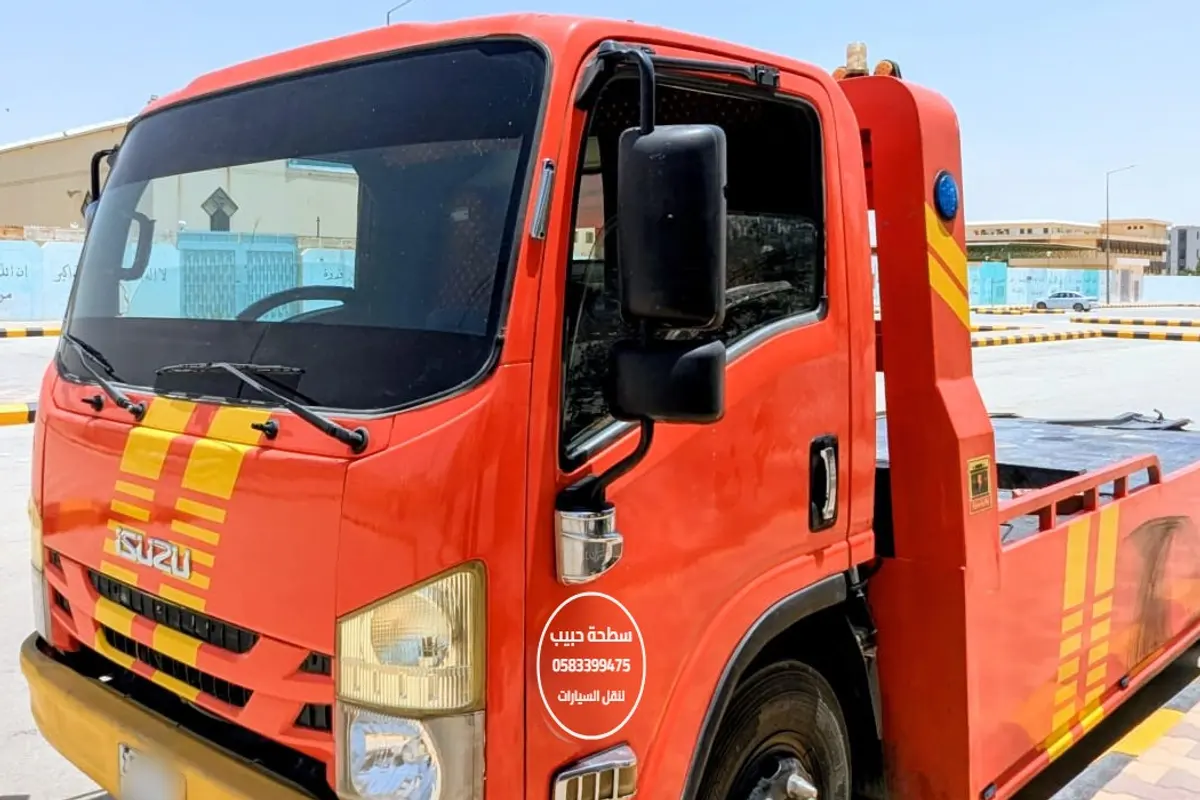
South via King Fahd Road. Used for trips to central districts.
Area details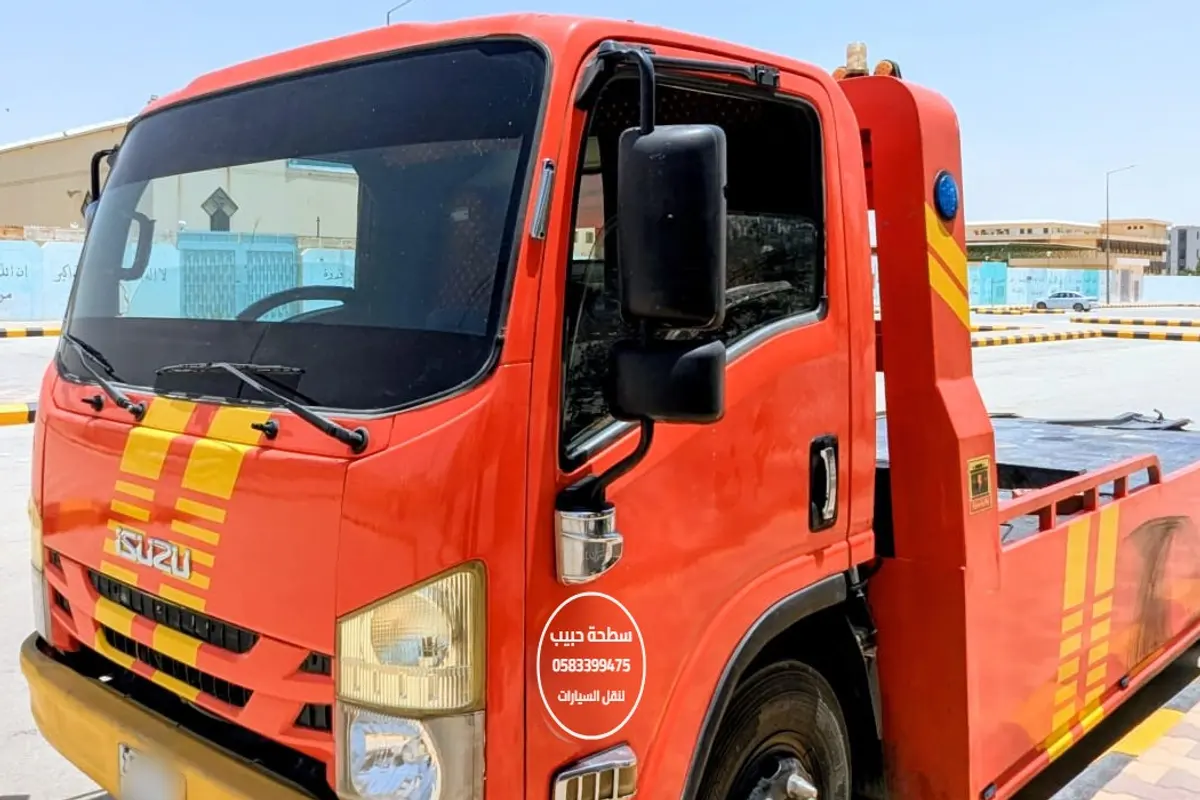
South of the airport. The first leg of most trips into the city.
Area details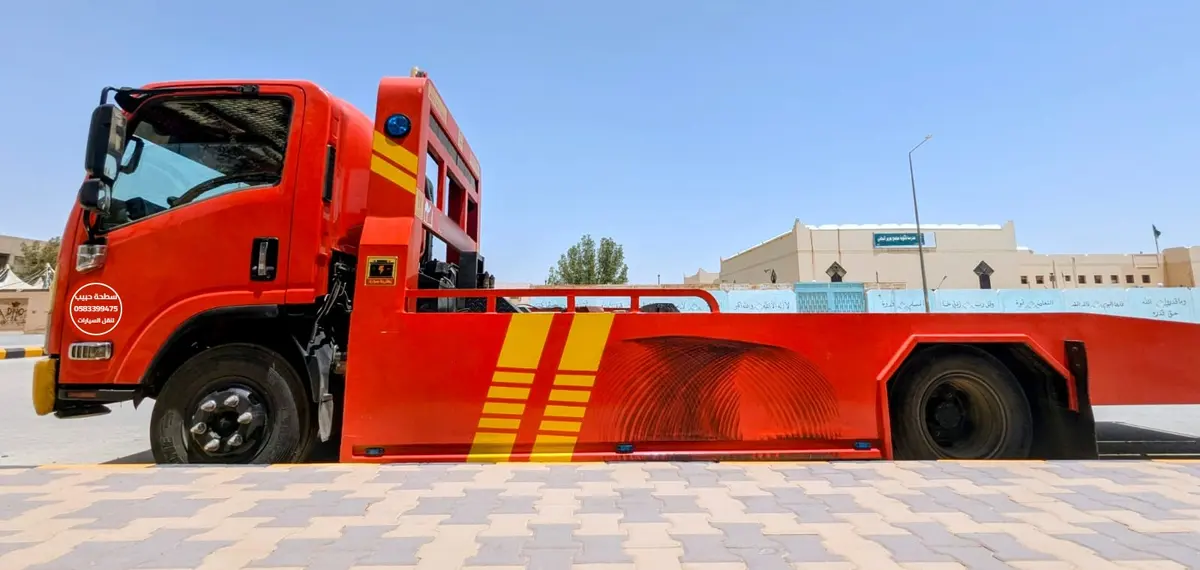
Via the Northern Ring Road. The route to Al Sulay workshops.
Area detailsAirport towing needs an operator who understands the rules and can work around your flight. Ask these questions before you agree.
A truck that arrives as you reach the car saves waiting in the car park late at night.
Height limits block flatbeds. A good operator plans to meet the car at an open section or exit.
Loading at terminal forecourts is not allowed. An operator who knows this avoids fines and delays.
Riding along saves arranging a separate taxi home late at night.
A fixed written price protects you from night surcharges.
Send us your terminal, car park section, level and live pin. If the car is in an open section, we load it there. If it is on a covered level, we arrange to move it to an exit. We take it home or to a battery shop.
Trips to northern districts usually cost 90 to 150 SAR for a standard car in 2026. Central districts often cost 150 to 250 SAR, and east or south Riyadh from 220 SAR. Prices are the same for late-night flights.
Yes. Message us before boarding with your landing time and car park section, and we will time the truck to arrive as you reach the car.
No, we are a towing company. We carry the car home or to a battery shop, and you can ride along.
Yes. Pull into a safe spot such as a fuel station, continue to the terminal and send us the location. We collect the car and deliver it home or to a workshop.
Question not here? Send it on WhatsApp to 0583399475 and we reply at any hour.
Ask us on WhatsApp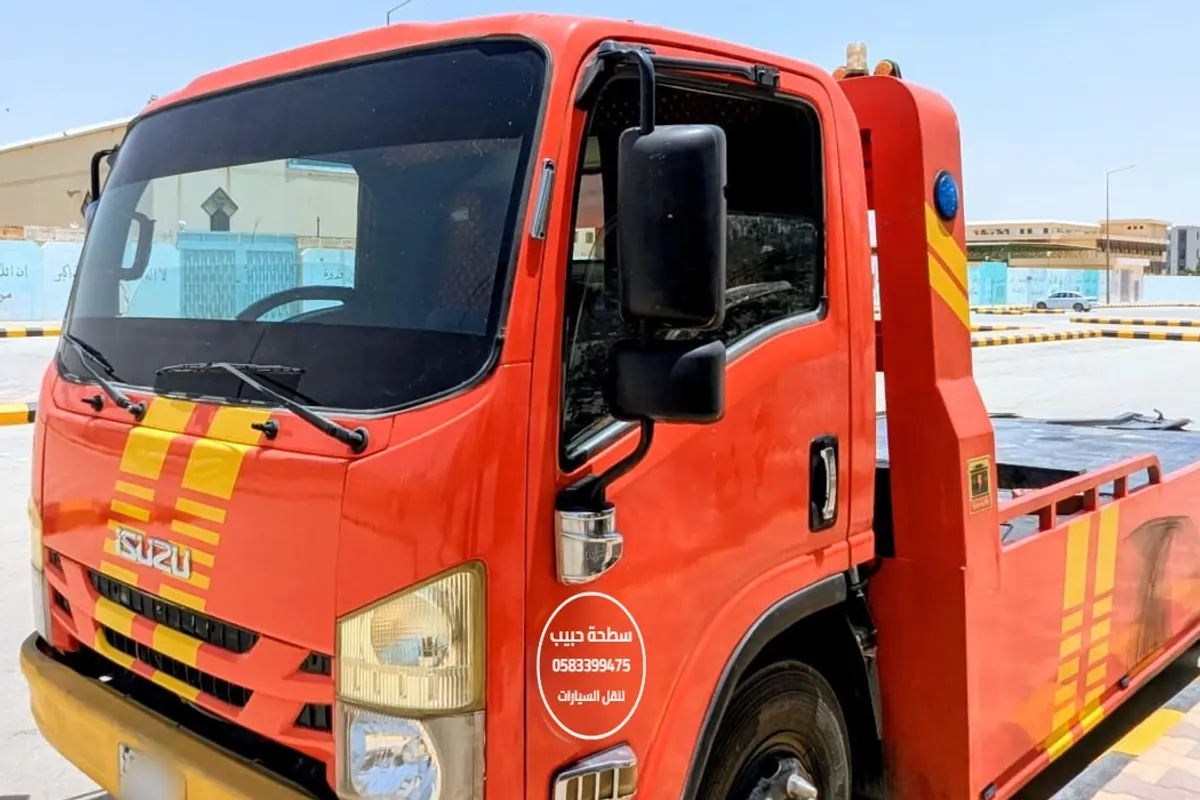
We answer calls and WhatsApp messages 24 hours a day, seven days a week, on one number: 0583399475. The fastest way to get a price is a WhatsApp message with your live location pin, the car model and the destination. Most quotes go out within a few minutes, and inside Riyadh the truck usually reaches you in 30 to 45 minutes.