Honest arrival times
We call before we arrive, so you can wait somewhere safe.
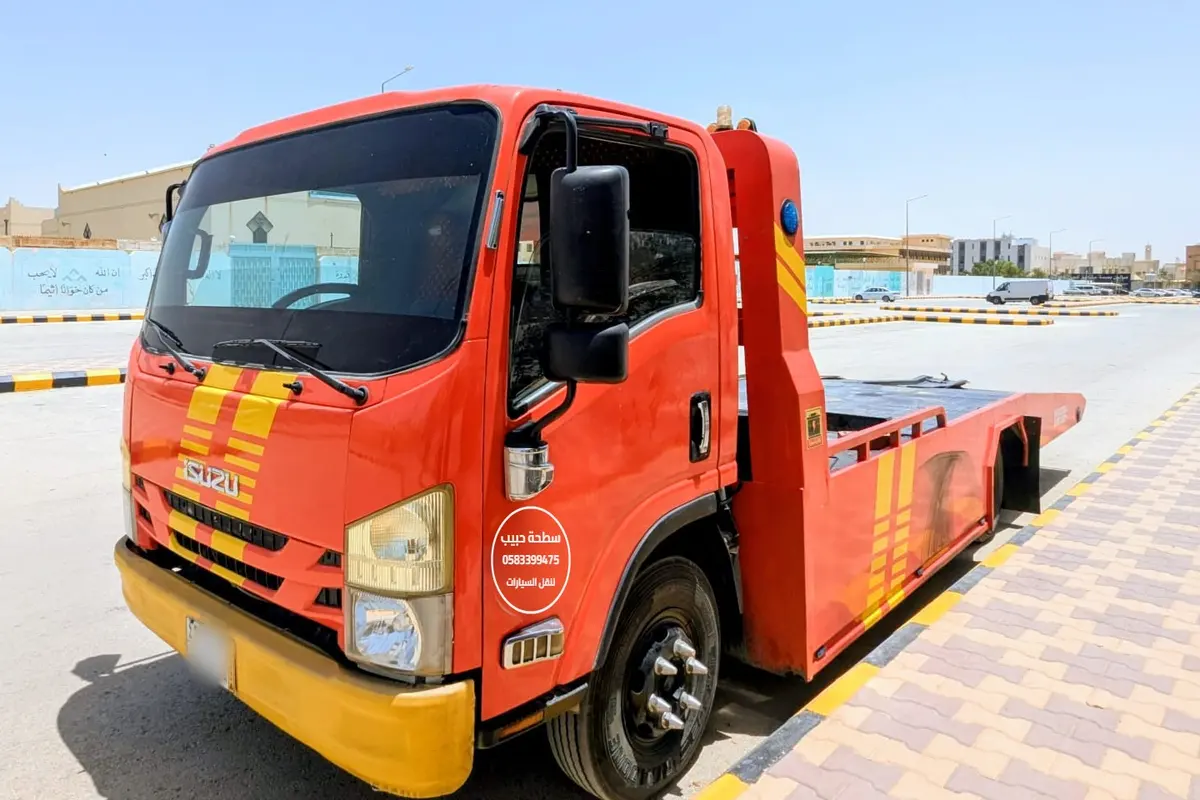
Electric and hybrid car towing in Riyadh needs one rule above all: the wheels must not drive the motor while the car is switched off. We look up how your model enters transport or tow mode, winch it onto a flatbed at walking pace and strap the tyres, so the drive unit and inverter stay untouched. Then the car goes to the nearest suitable charger, your home or the dealer.
We call before we arrive, so you can wait somewhere safe.
You agree the full price on WhatsApp before the truck moves.
No dragging on two wheels, so gearboxes and EV motors stay safe.
Same price at night and on holidays, paid once the car arrives.
An EV or hybrid tow is quoted as one complete job, from checking the procedure for your model to delivery at a charger, home or workshop. A second leg, such as charger then home, is quoted together if you know you will need it.
Before dispatch we check how your model enters transport, tow or neutral mode, so loading is quick and safe when we arrive.
On arrival we guide you through setting the mode on the screen or controls. If the car cannot wake up, we plan a loading method with minimal wheel rotation.
The car is winched onto the flatbed at walking pace with the wheels free. Nothing is attached under the car near the battery.
Four straps over the tyre tread hold the car on its suspension, keeping all force away from the battery floor and drive units.
We deliver to the nearest compatible charger, your home charger or the dealer, and help take the car out of transport mode if needed.
Electric and hybrid car towing in Riyadh is a flatbed transport service for battery-powered and hybrid vehicles, needed when an EV runs flat, develops a fault or is damaged and must not be driven or dragged. In an EV the motor is connected to the wheels through a fixed reduction gear, with no clutch to separate them. Turn the wheels and the motor spins and generates current. With the car switched off, that current has nowhere safe to go, so manufacturers specify flatbed transport and give a specific procedure for putting the car in neutral or transport mode before it moves.
Riyadh's EV fleet has grown quickly, with more charging points in malls, hotels and new northern districts, and many villas now have home chargers. Hybrids, from family saloons to taxis, are even more common. Each brings its own towing needs. A Tesla, a Lucid, a BYD or a Hyundai Ioniq each handle transport mode differently, and a hybrid saloon cannot be flat towed any more than a full EV. EV towing to a charging station in Riyadh starts with the model name on WhatsApp, so we can check the procedure before the truck leaves.
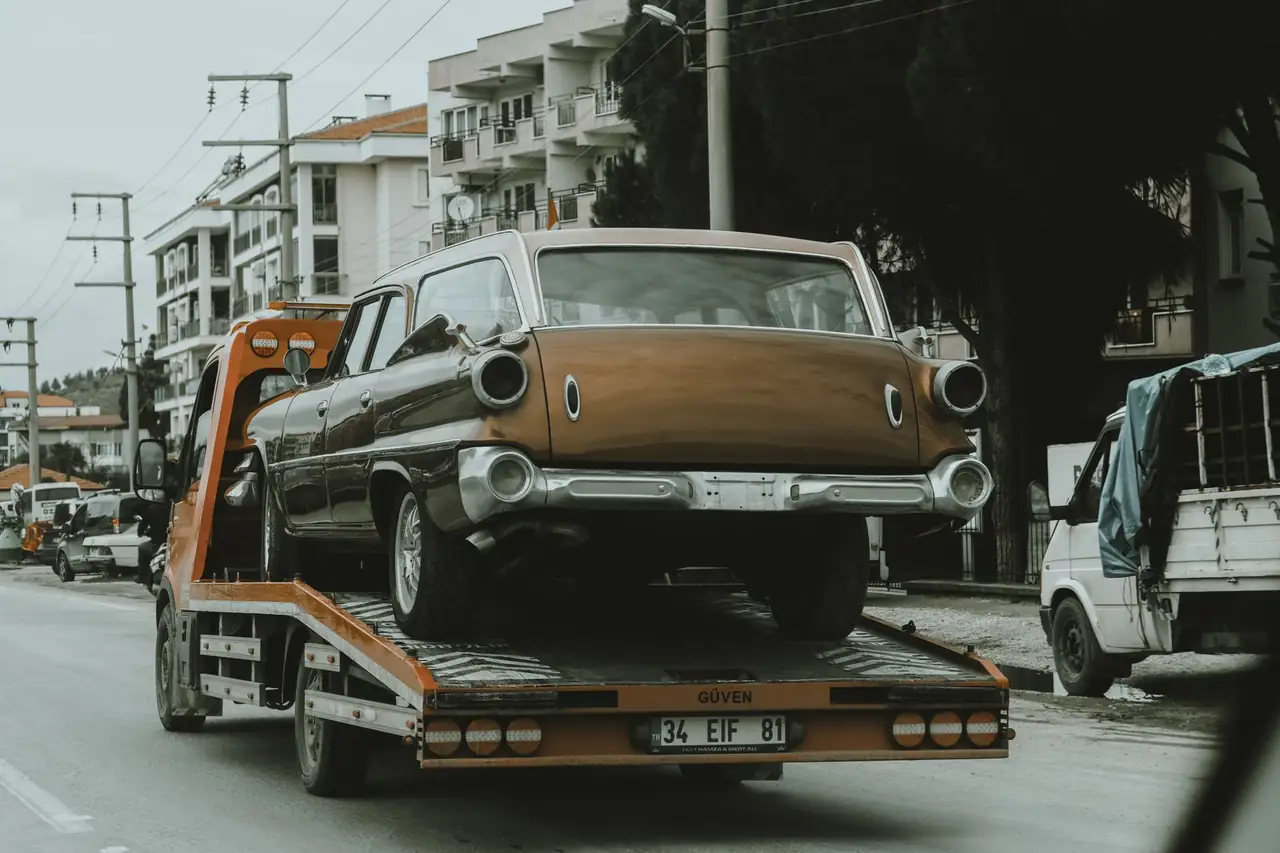
Send the make, model and year, your location pin and what happened: ran flat, warning message, accident or no power at all. A photo of the dashboard message helps. We check the manufacturer's tow procedure for that model and quote in writing.
For a flat battery, we suggest the nearest compatible fast charger or your home charger. For a fault, the dealer or an EV-qualified workshop. For accident damage, the destination your insurer specifies. You agree the price before dispatch.
On arrival we ask you to put the car in transport, tow or neutral mode using the screen or the procedure for your model. If the 12-volt battery is flat and the car cannot wake up, we plan the loading to keep wheel rotation as low as possible.
The car is winched onto the flatbed at walking pace, with the wheels rolling only as far as needed to reach the bed. Each tyre is strapped and checked. Nothing is attached under the car, keeping clear of the battery casing.
At the charger, home or dealer, the car comes down slowly in the same mode. We take it out of transport mode with you if needed and pass on the dashboard messages to the workshop. Payment is made after delivery.
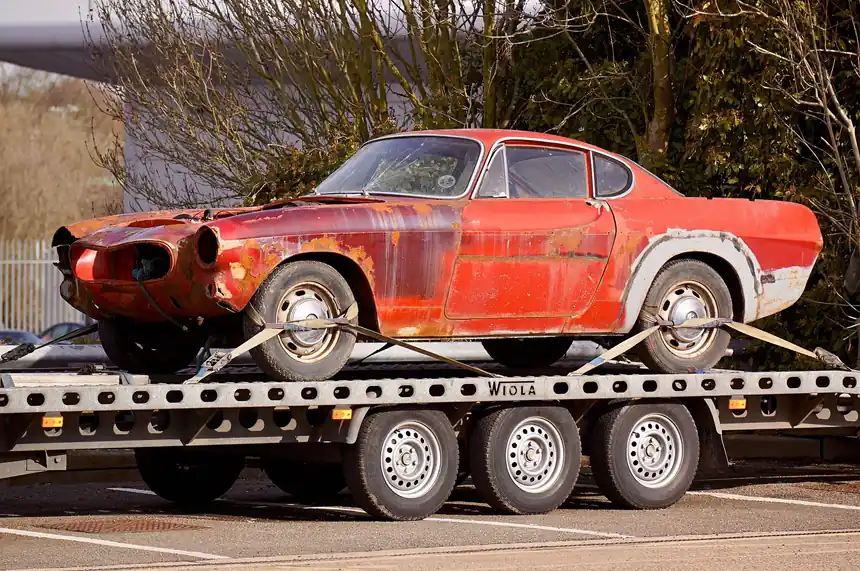
Lifts the EV entirely off the road, drawing it slowly up the bed while the wheels stay still.
Straps go over the tyres only, so no pressure lands on the battery floor or the motors.
Reduce the approach angle for low EVs, protecting the front end and the battery floor during loading.
Model-specific procedures for transport, tow or neutral mode, checked before each job.
Keeps the loading area visible on highways and at night, where many EVs run flat after longer trips.
Before any winching, the car is put into its transport, tow or neutral mode using the owner's screen or controls. This releases the parking lock and lets the wheels roll freely for loading.
The car is winched only the distance needed to get onto the bed, at walking pace. This keeps wheel rotation and any current from the motor to a minimum during the brief loading phase.
EVs with accident damage near the battery are kept unplugged, loaded without powering them up, and taken to a dealer or qualified workshop. We advise owners not to store them in enclosed spaces until inspected.

We advise moving everyone behind the barrier, then load the car in transport mode and drive to the nearest compatible fast charger the owner chooses. The car charges for 30 to 40 minutes and the owner drives home the same evening.
We winch it out of the garage in neutral, load it and deliver it to the dealer's service centre with photos and the fault message. The dealer diagnoses an onboard charger fault under warranty, with the car moved by the book.
The car is pushed clear, loaded onto the flatbed and taken to a hybrid-qualified workshop, never dragged on its driven wheels. The workshop finds a sensor fault, and the hybrid system suffers no further damage.
Electric and hybrid car towing in Riyadh is shaped by heat, distance and the spread of charging points. Summer heat above 45 degrees makes batteries work harder to stay cool, which drains range faster, especially on highways at speed. Long distances between districts mean an EV leaving the north with a low charge can run flat before reaching a charger in the south. October brings cooler weather and better range, but also the first rains, and EVs that drive through flooded underpasses can develop electrical warnings days later. Fast chargers are now found in many malls, hotels and fuel stations around the city, though not every one suits every connector, which is why we check compatibility before choosing where to deliver. EV towing to a charging station in Riyadh works best when the owner tells us the model and connector type in the first message.
Many new villas with home chargers. EV calls here are often charging faults or software issues that need a dealer visit.
Malls and hotels with charging bays. EVs that run flat nearby can often be delivered to a charger within a few kilometres.
EVs left for long trips sometimes return with a flat 12-volt battery, unable to wake up even with charge left in the main battery.
High-speed driving drains range quickly. Many EV run-flat calls come from this corridor on the way home from the city centre.
Batteries spend energy on cooling, and range can drop noticeably on long highway trips. Run-flat calls rise in summer afternoons.
Not every fast charger suits every model. We check the connector type before choosing a charging destination.
EVs driven through deep water can show electrical warnings later. They should be inspected by a dealer before charging or driving further.
An EV ran out of charge on the Northern Ring Road at 9 p.m. with a family inside. The nearest fast charger was 12 km away.
We loaded it in transport mode and delivered it to a compatible fast charger in 40 minutes. After 35 minutes of charging, the family drove home.
Prevention: Plan longer trips with a margin of at least 20 percent charge, especially in summer heat and at highway speeds.
An EV parked for two weeks at King Khalid Airport would not wake up. The main battery had charge, but the 12-volt battery was flat and the doors would not unlock.
Following the model's guidance for a car with no 12-volt power, we loaded it with minimal wheel rotation and took it to the dealer, where the 12-volt battery was replaced.
Prevention: Before long trips, check whether your EV has a low-power or storage mode, and replace an ageing 12-volt battery before it fails.
A hybrid saloon went into limp mode on King Fahd Road with a warning light. The driver considered driving slowly to a general garage across the city.
We carried it on the flatbed to a hybrid-qualified workshop. A sensor fault was fixed and the hybrid system needed no further repair.
Prevention: Use hybrid-qualified workshops for warning lights, and avoid driving any hybrid far in limp mode.
EVs bring new kinds of breakdowns and new risks during towing. These are the problems we see most often, and how electric and hybrid car towing in Riyadh deals with them safely.
Towing it the wrong way risks drive unit damage, and waiting on a highway shoulder in heat is unsafe for passengers. We load it in transport mode onto the flatbed and deliver it to the nearest compatible charger or the owner's home. Passengers can ride with us or be collected separately.
Without 12-volt power, the car cannot enter transport mode, doors may not open and the wheels may stay locked in park. We follow the manufacturer's guidance for a car with no 12-volt power and plan the winch pull to keep wheel rotation minimal, then take it to the dealer or a qualified workshop.
Driving a hybrid in limp mode can stress its electric motors and gearbox, and dragging it on two wheels can cause further damage. The car rides fully on the flatbed to a hybrid-qualified workshop or dealer, with the owner's description of the warning passed on for faster diagnosis.
90 to 1,400 SAR, the same as a petrol car
Electric and hybrid car towing in Riyadh is priced on the same distance bands as standard cars, because the extra time for transport mode is small. Typical 2026 prices are 90 to 150 SAR up to 15 km, 150 to 250 SAR for 15 to 30 km and from 220 SAR for longer trips. High-end EVs that need ramps start at 150 SAR.
The price includes the procedure check, transport mode support and full flatbed transport. Protecting an EV inverter or drive unit from towing damage saves far more than the cost of the tow.
The main factor. A nearby fast charger is often closer than the dealer, so the right destination can keep the price in the first band.
Most EVs and hybrids use standard bands. Low or high-value EVs that need extra ramps and photos start at 150 SAR.
A car that cannot enter transport mode because its 12-volt battery is dead takes longer to load. Most remain within the band, and we tell you before agreeing if not.
Charger then home, or dealer later, counts as a second leg. Book both together and we quote them as one price.
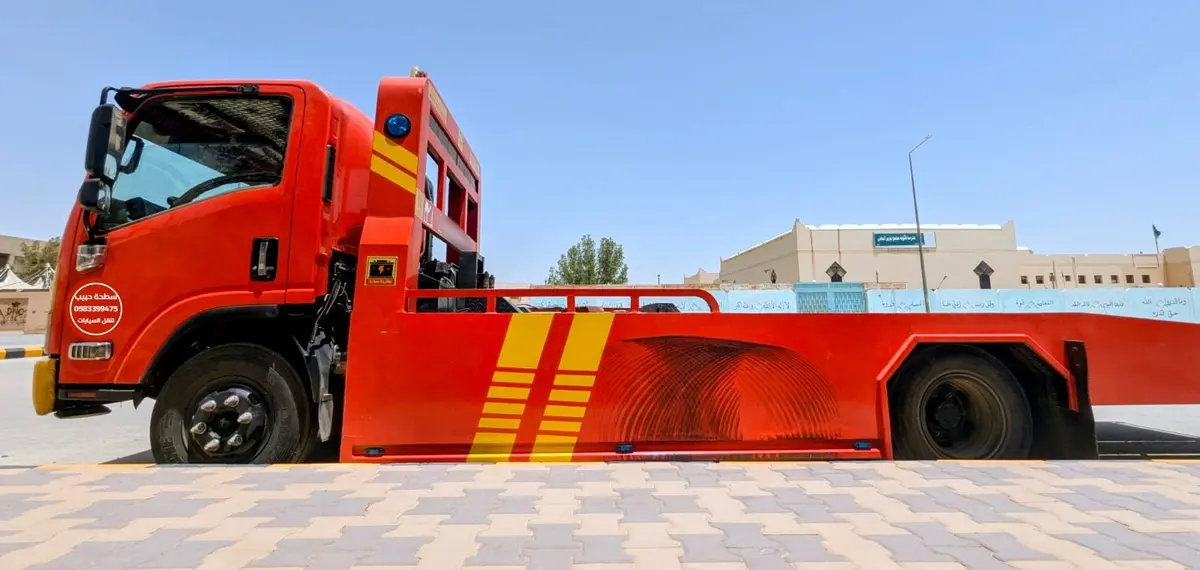
EVs and hybrids are now a regular part of our work across Riyadh. Over 10 years in towing we have watched the fleet change, from almost no electric cars to regular calls from the northern districts, malls with charging bays and the airport. The key skill is not lifting the car, which is the same as any flatbed job. It is knowing the procedures that keep the electrical system safe while the car moves.
No, most manufacturers say an EV must travel on a flatbed with all wheels off the ground. The motor is directly connected to the wheels, so turning them generates current in a switched-off system and can damage the inverter or drive unit. Some models allow very short, slow movements in transport mode, only for loading onto a flatbed.
Most EVs cost no more to move than a petrol car. In 2026 a short trip under 15 km is 90 to 150 SAR, a trip of 15 to 30 km is 150 to 250 SAR, and longer runs start at 220 SAR. High-end low EVs that need extra ramps begin at 150 SAR. You get the figure in writing before we leave, and nights cost the same.
Yes. We can deliver it to the nearest compatible fast charger or to your home charger. Tell us the model and where you are, and we will suggest the closest option that works for your connector type. Many EVs are back on the road within an hour of reaching a fast charger.
Yes, most hybrids should be carried on a flatbed. Their electric motors are linked to the drivetrain, and many hybrid gearboxes are not designed to be turned with the system off. Check your owner's manual, but a flatbed is the safe default for any hybrid, including taxis and family saloons.
Question not here? Send it on WhatsApp to 0583399475 and we reply at any hour.
Ask us on WhatsApp
EV towing is built on the flatbed method: all four wheels off the road, straps over the tyres. For electric cars it is not just safer, it is what manufacturers require.
View service
EVs run flat at all hours, often late at night after a long drive. The emergency service brings the same transport mode routine at the same price as daytime.
View serviceA damaged EV needs extra care around the battery. After Najm or police release, we load it without charging or powering it and deliver it to the dealer or insurer garage.
View service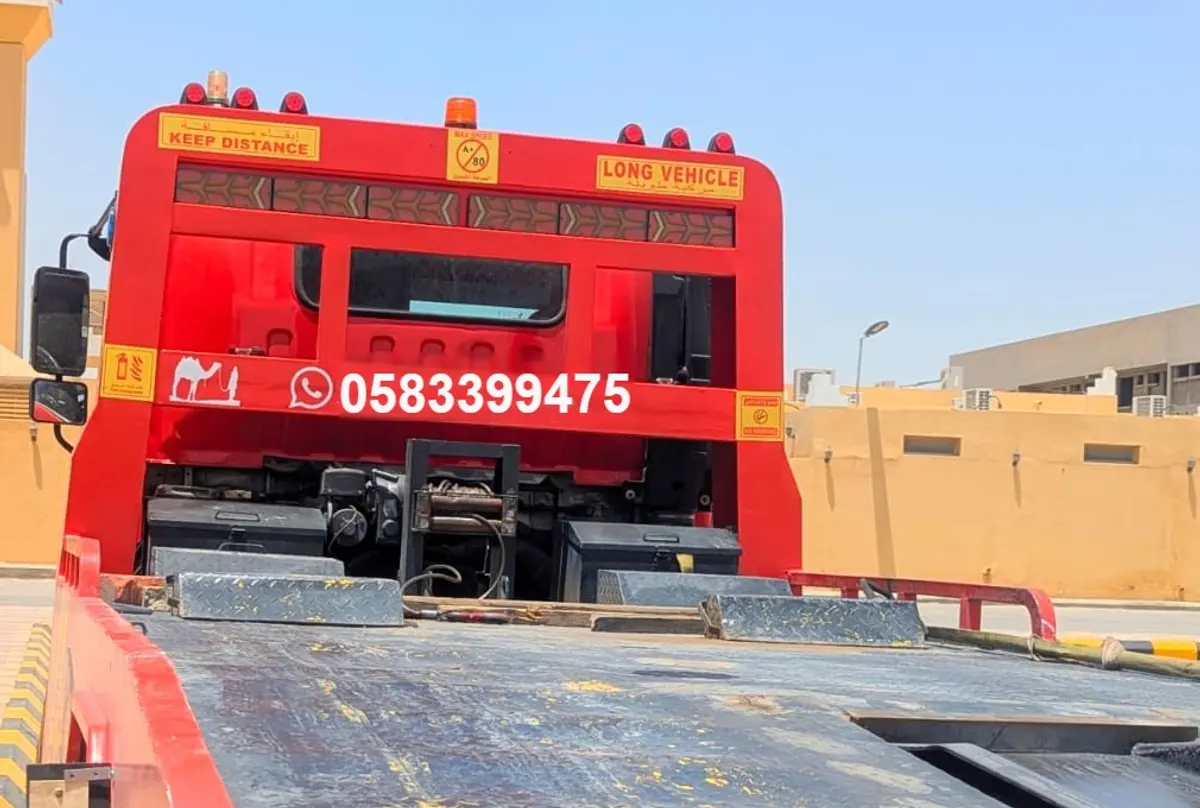
EV faults such as charging errors, 12-volt failures or warning messages go to a dealer or EV-qualified workshop rather than a general garage.
View service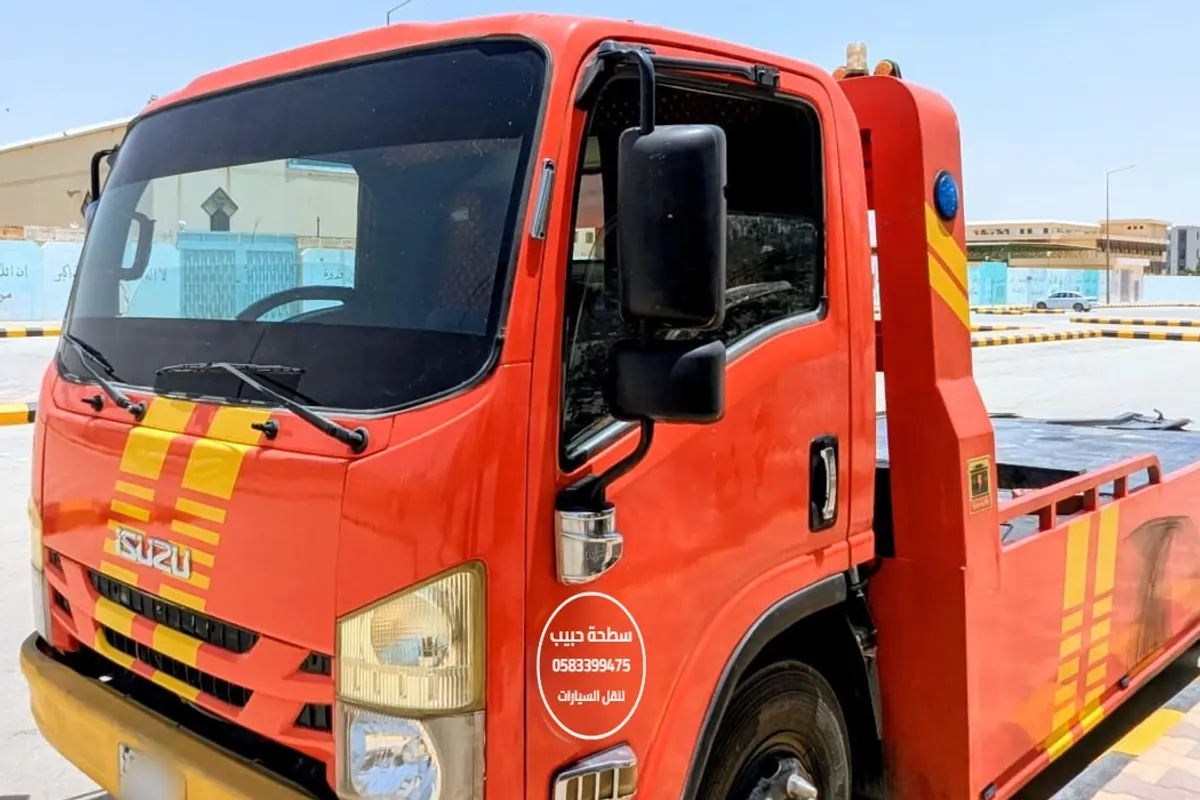
We answer calls and WhatsApp messages 24 hours a day, seven days a week, on one number: 0583399475. The fastest way to get a price is a WhatsApp message with your live location pin, the car model and the destination. Most quotes go out within a few minutes, and inside Riyadh the truck usually reaches you in 30 to 45 minutes.