Honest arrival times
We call before we arrive, so you can wait somewhere safe.

Our towing service in Riyadh Qassim Highway covers the long road north from the city past Banban and Salbukh toward Sudair and beyond. When a car stops here, the first question is where: we work from the kilometre marker and your direction. The second is what next: bring the car back to a Riyadh workshop, or carry it on to Qassim for 650 to 850 SAR. You get both prices before we set off.
We call before we arrive, so you can wait somewhere safe.
You agree the full price on WhatsApp before the truck moves.
No dragging on two wheels, so gearboxes and EV motors stay safe.
Same price at night and on holidays, paid once the car arrives.
A towing service in Riyadh Qassim Highway is a highway recovery and transport service for vehicles that break down or crash on the expressway between Riyadh and the Qassim region, carrying them back to the city or onward to their destination. The highway leaves north Riyadh near King Salman Road and the Northern Ring Road, passes the exits for Banban and Salbukh and continues north through long open stretches toward Sudair and the Qassim region. Once past the city edge, landmarks thin out, and the kilometre markers and numbered exits become the only reliable way to describe a location. Breakdowns here are a different problem from city breakdowns. Distances to help are longer, traffic moves fast, and at night some stretches carry warnings for camels crossing. Drivers also face a real decision: is it better to return to a trusted workshop in Riyadh, or continue to Qassim and repair the car there? After 10 years of towing in Riyadh, we handle both regularly. Highway breakdown recovery north of Riyadh starts with your kilometre marker and ends wherever makes most sense for your trip.
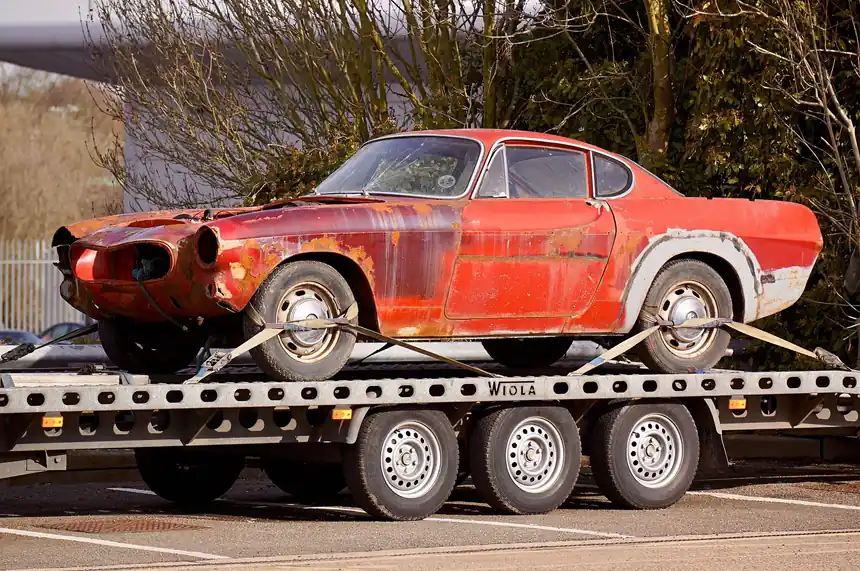
Qassim highway calls are mostly breakdowns on long open stretches, followed by accidents and planned intercity transport. Highway breakdown recovery north of Riyadh is our core job here, and every service below runs along the road.
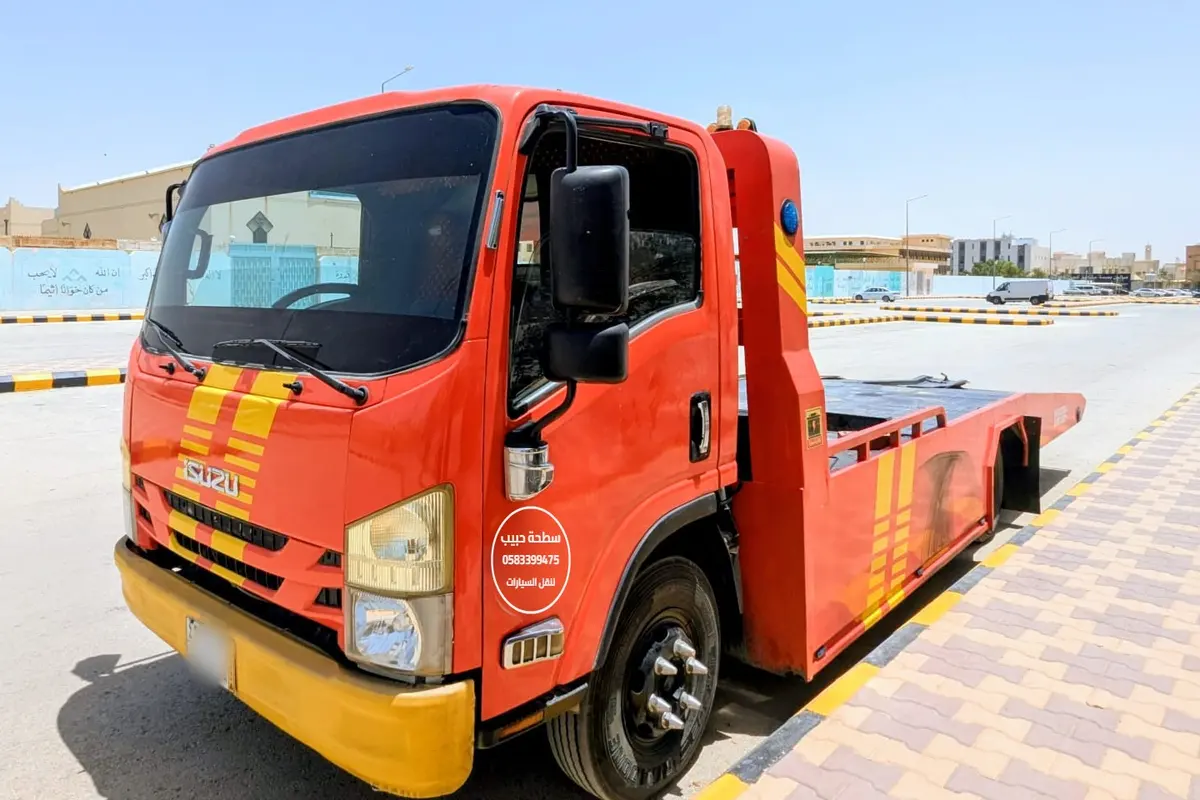
Cars that stop on the Qassim highway are loaded on the shoulder or at the nearest exit and carried fully on the flatbed, protecting automatics and AWD cars on the long trip back.
View service →02Night breakdowns on dark highway stretches are common, especially on weekend returns. We answer at any hour at the same price, with the amber beacon on and the triangle placed well back.
View service →03High-speed collisions and animal strikes happen on the open highway. After the traffic police release the car, we load it and take it to a Riyadh workshop or onward.
View service →04Overheating, tyre failures and gearbox problems are frequent on long, fast stretches. We carry the car back to a Riyadh workshop or on to Qassim, as the driver chooses.
View service →05High-value cars that break down on the highway, or that owners prefer not to drive north, travel on our flatbed with ramps, tyre-only straps and photos.
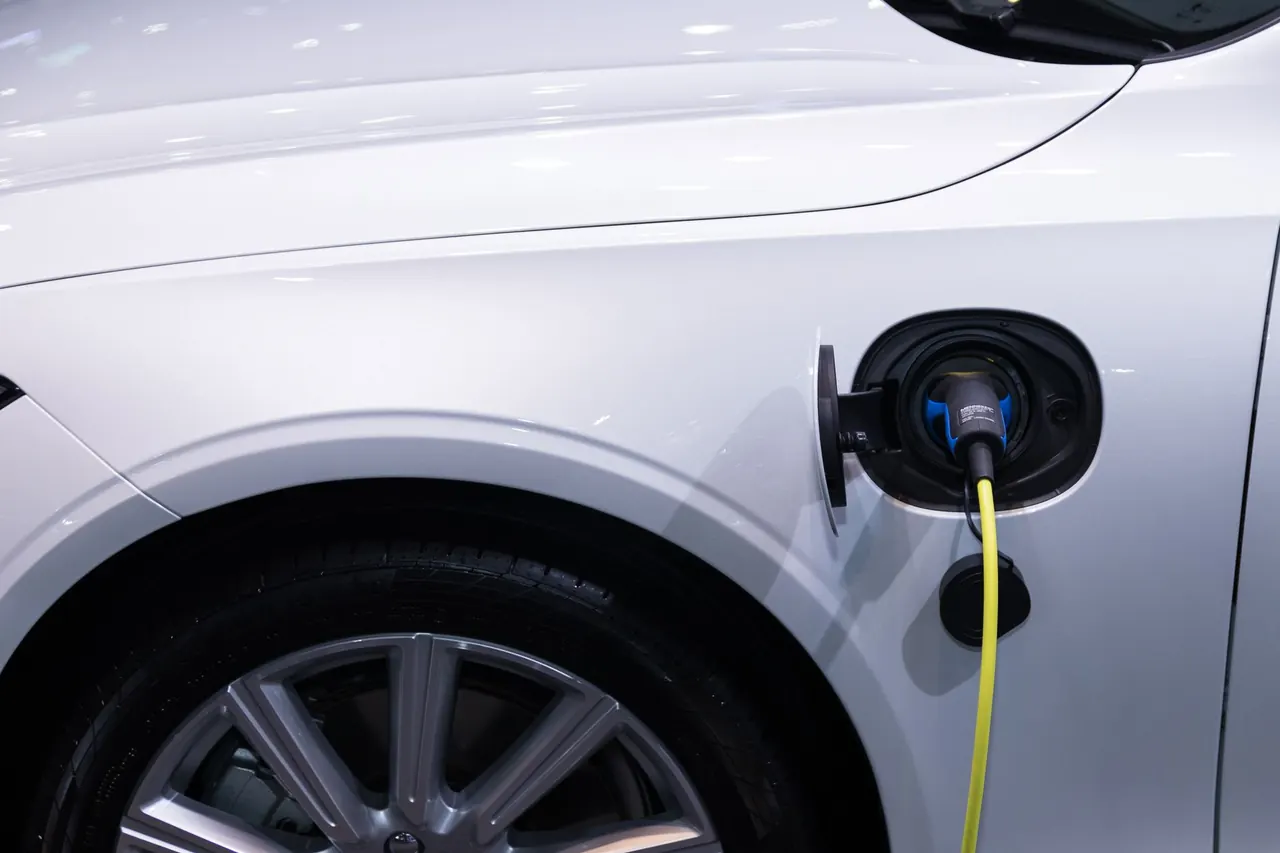
View service →06EVs on long highway runs can run short of charge between stations. We load them in transport mode and take them to a charger, back to Riyadh or onward.
View service →07Riders on weekend runs north break down far from help. We carry bikes upright with soft loops and four straps back to the city or onward.
View service →08Planned transport from Riyadh to Qassim costs 650 to 850 SAR door to door. Students, workers and families use it instead of driving.
View service →09Cars that leave the road onto sandy shoulders after a blowout or swerve are winched back to firm ground from the hard shoulder.
View service →Towing on the Qassim highway starts with the kilometre marker. Beyond the city, there are few landmarks, so we ask for the nearest kilometre sign, the direction of travel and a live pin if signal allows. That tells us which carriageway to use and how far we need to drive, and lets us give an honest arrival time. Next comes the decision. We quote two prices on the phone: one to bring the car back to a Riyadh workshop, and one to carry it on to Qassim. The driver chooses before we set off. On arrival, safety comes first. The beacon goes on, the triangle goes down well behind the car and passengers wait behind the barrier or at a safe distance from the road. At night, we watch for camels on stretches with warning signs. If the car can roll to the next exit or fuel station safely, that is a better loading point than a narrow shoulder. Most highway loads take 15 to 20 minutes on site. Highway breakdown recovery north of Riyadh is faster when you send the kilometre marker in the very first message.
Callers cannot always describe their location, and the truck may have far to drive, so arrival times are longer than in the city. We use kilometre markers, exits and live pins, and give an honest arrival estimate before dispatch.
Drivers must choose between returning to a trusted workshop and continuing their trip, often under stress. We quote both options on the phone so the driver can decide calmly before the truck sets off.
Some stretches have camel warnings, and long night drives cause fatigue-related accidents and breakdowns. We drive carefully on warned stretches, keep the beacon on and advise drivers to rest at stations before continuing.
On a fast highway a warning triangle has to sit far behind the car so drivers have time to change lane. Keep one in the boot for exactly this.
Highway collisions, especially with injuries or animals, are handled by the traffic police. We load only after the car is released.
The Qassim highway's long distances, speed and night driving create a distinct set of problems. These four come up most often.
Sustained speed, heat and loaded cars push cooling systems to their limits, especially in summer and on weekend trips. We load the car without running it and take it back to Riyadh or onward, after quoting both options.
Hot asphalt and debris from trucks cause tyre failures at speed, sometimes leading to cars leaving the road. We load the car from the shoulder, winching it back from soft ground if needed, and take it to a tyre shop.
Fatigue on long night drives and camels near some stretches cause most crashes here. Once the police release the car, it goes on the bed with care and on to your workshop or the insurer's garage.
Drivers far from Riyadh do not know whether repair is better at home or at their destination. We quote both options clearly so the driver can decide before the truck sets off.
Typical 2026 prices on the Qassim highway depend on how far out you are and where the car goes. Near stretches like Banban often fall in the 220 SAR and up band to bring the car back to Riyadh. Further out, the price rises with the kilometre marker. Door-to-door transport from Riyadh to Qassim costs 650 to 850 SAR, and continuing from a highway breakdown to Qassim is quoted from your location. Prices are the same at night.
The further from Riyadh, the longer the drive to reach you and back. The marker lets us quote accurately before dispatch.
You get two figures, one for the trip back to Riyadh and one for carrying on to Qassim. Pick whichever works for you.
Standard cars use the base rates. Luxury cars sit at the upper end because of extra ramps and care.
On the open highway, the kilometre signs are the most reliable reference. The exits for Banban and Salbukh mark the near stretches, and fuel stations and rest stops are the safest places to wait. Send the kilometre marker, your direction and a live pin if possible.
The most precise way to describe your position on long open stretches. Always send the nearest one with your direction.
Safe waiting points if the car can reach them, with shade and space for loading away from fast traffic.
Exits on the near stretch of the highway, useful for confirming that you are close to Riyadh.
Service areas at the exits with fuel, food and parking, used by travellers to rest and as safe meeting points.
Connect north Riyadh with the start of the Qassim highway, the route out of and back into the city.
The highway itself, running north from Riyadh to the Qassim region.
The Qassim highway passes several towns and areas between Riyadh and the north. These four are where many of our calls come from.
An area just north of Riyadh with farms and rest houses near the highway. Calls include breakdowns close to the city and weekend recoveries. Close to the city edge, reached within 40 to 50 minutes.
An area north-west of Riyadh off the highway with farms and homes. Breakdowns and soft-track recoveries are common. Reached via the highway exits, usually within 45 to 60 minutes.
A region further north along the highway, where breakdowns on long stretches mean longer waits for help. Further out, with arrival times based on the kilometre marker.
A town in the north of the Riyadh region near the route, a common point for drivers to stop or break down on longer journeys. Far from Riyadh, so we give honest arrival times and quote onward or return options.
These examples reflect common calls on the Qassim highway and show how we handle distance and the return-or-continue decision.
A family car overheated about 90 km north of Riyadh on a Thursday evening, with children in the car. We quoted both options. The family chose to return to Riyadh. We gave an honest arrival time, advised them to wait behind the barrier and loaded the car with the beacon on. The family was home late that night, and the car was repaired at their usual workshop. Priced by distance before dispatch.
A student's car broke down near the Salbukh exit on the way to a university in Qassim. The student chose to continue. We loaded the car and carried it on to Qassim while the student travelled with a friend. The car reached the student's accommodation the same day. Price within the Qassim transport range.
A car hit debris at night and blew a tyre, stopping on a dark stretch with camel warnings. We drove carefully on the warned stretch, placed the triangle well back and loaded the car, then took it to a tyre shop in Riyadh. The driver was off the road within the estimated time, safely. Priced by distance.
October brings more weekend trips north as the heat eases, and summer-worn cars fail on long runs. Highway breakdown recovery north of Riyadh follows the travel calendar and the weather.
From October, family trips north increase and universities are back in session. Summer damage shows up on long runs, and the first rains in late October or November make the highway slippery.
Busy travel season with cold nights, occasional fog and camels more active on some stretches at night.
Dust storms can reduce visibility sharply on open stretches.
Peak summer means boiling radiators and burst tyres, and the hard shoulder is a risky place to wait.
From the Qassim highway, cars usually come back to the north of Riyadh, while a few go on to Buraidah. These city roads are where our trips back connect most often.
South-east via the Northern and Eastern Ring Roads. A home destination for east Riyadh families returning from the north.
Area details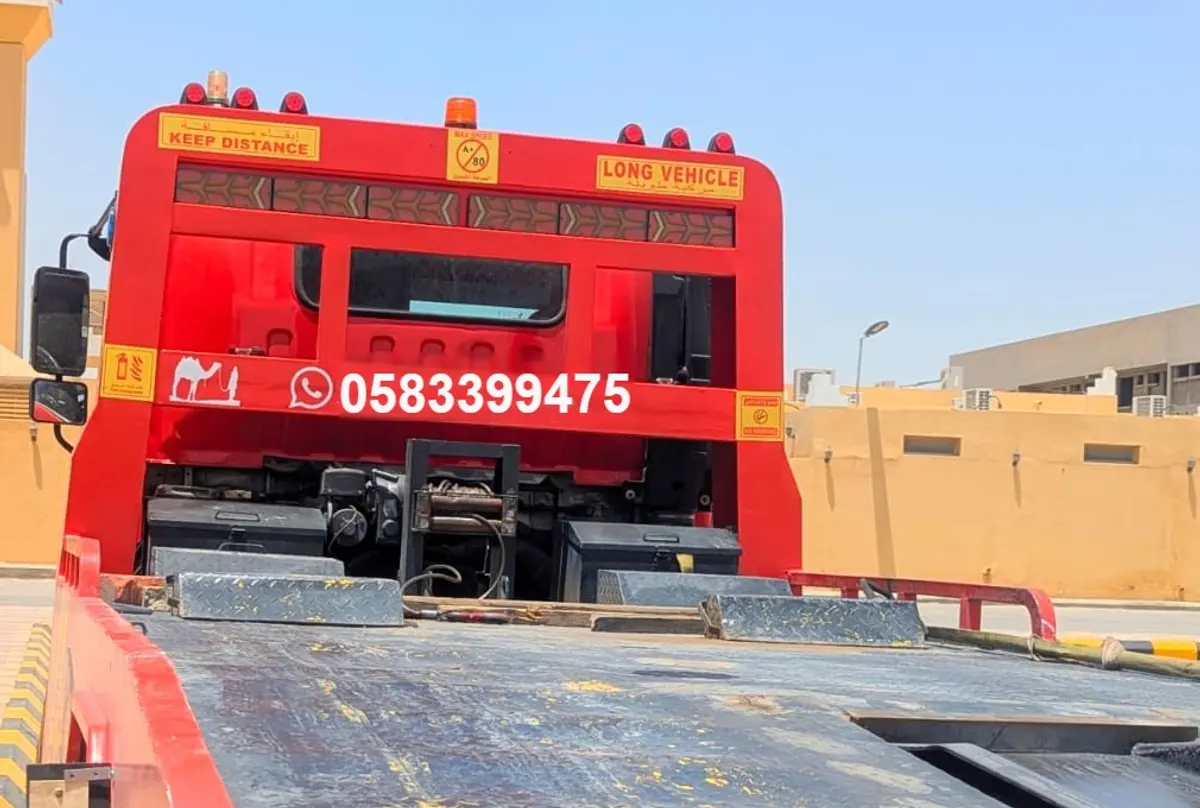
South via King Fahd Road. Used for trips to central homes.
Area details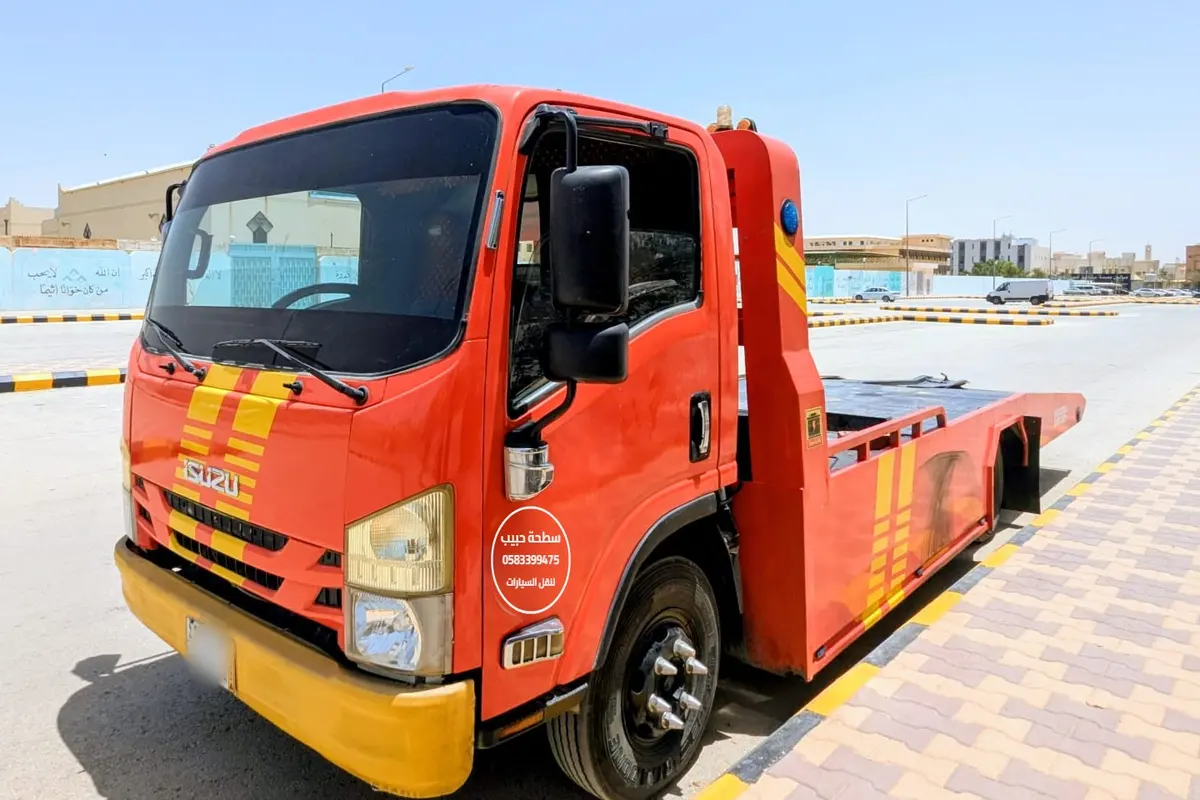
The first city road reached on the way back from the highway.
Area details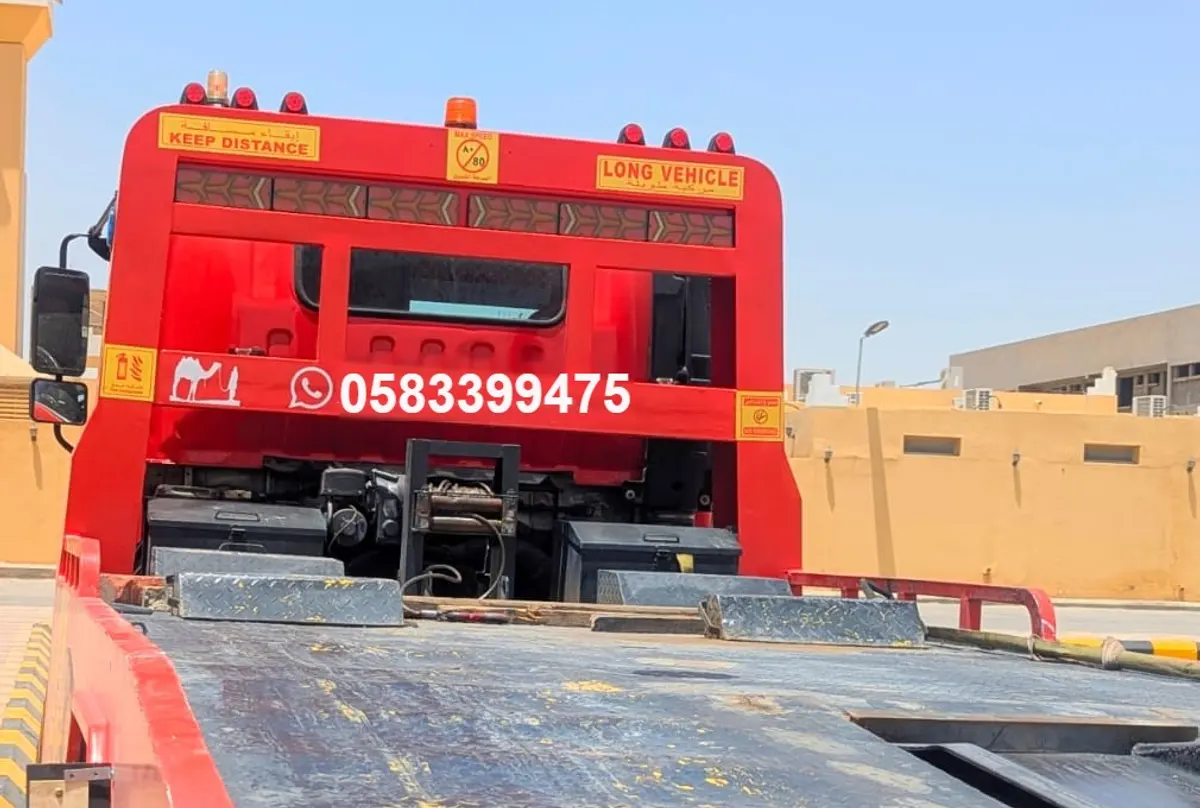
Via the Northern Ring Road. The route to Al Sulay workshops for repairs.
Area detailsFar from the city, the right questions protect your car, your budget and your trip. Ask these before you agree.
With both figures in hand, you can pick what suits the trip and the repair.
An honest estimate lets you decide whether to wait or arrange transport for passengers.
On a 120 km/h highway, safety means a flashing beacon, a triangle far behind the car and everyone over the barrier.
A written price for the full trip protects you from surprises at the destination.
Long distances make full flatbed transport even more important for automatics and AWD cars.
Send the nearest kilometre sign, your direction of travel and a live pin if signal allows, plus your car model. We quote returning to Riyadh and continuing to Qassim, and give an arrival time before dispatch.
Door-to-door transport from Riyadh to Qassim costs 650 to 850 SAR in 2026, depending on the car and exact address. From a highway breakdown, we quote from your kilometre marker.
Near stretches such as Banban are usually reached within 40 to 60 minutes. Further out, it depends on the kilometre marker, and we give an honest estimate before dispatch.
It depends on the fault, where your trusted workshop is and your plans. We quote both options so you can compare cost and convenience before deciding.
Yes, day and night, with one price. We drive carefully on stretches with camel warnings and keep the beacon on while loading.
Question not here? Send it on WhatsApp to 0583399475 and we reply at any hour.
Ask us on WhatsApp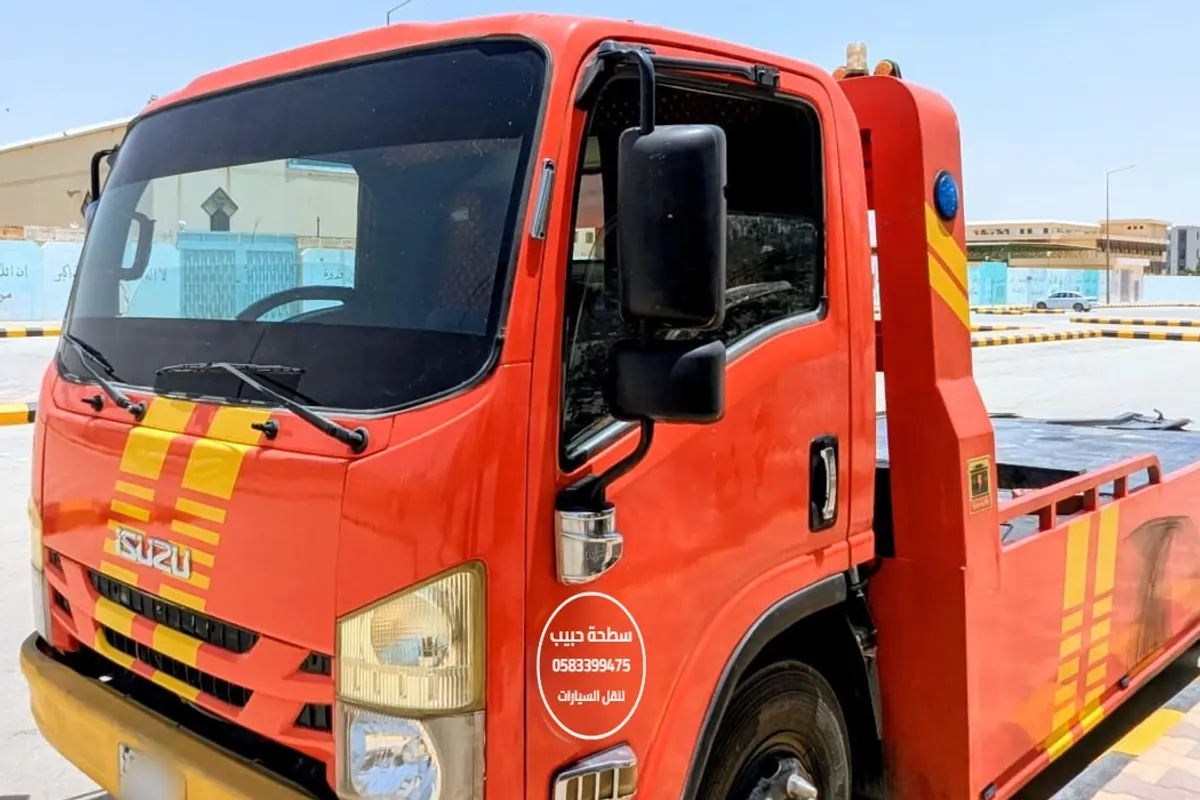
We answer calls and WhatsApp messages 24 hours a day, seven days a week, on one number: 0583399475. The fastest way to get a price is a WhatsApp message with your live location pin, the car model and the destination. Most quotes go out within a few minutes, and inside Riyadh the truck usually reaches you in 30 to 45 minutes.