Flat Tire on a Riyadh Highway: What to Do
A flat on a Riyadh highway is a safety problem first and a tyre problem second. The order that keeps you safe, when to change it yourself and when to tow.
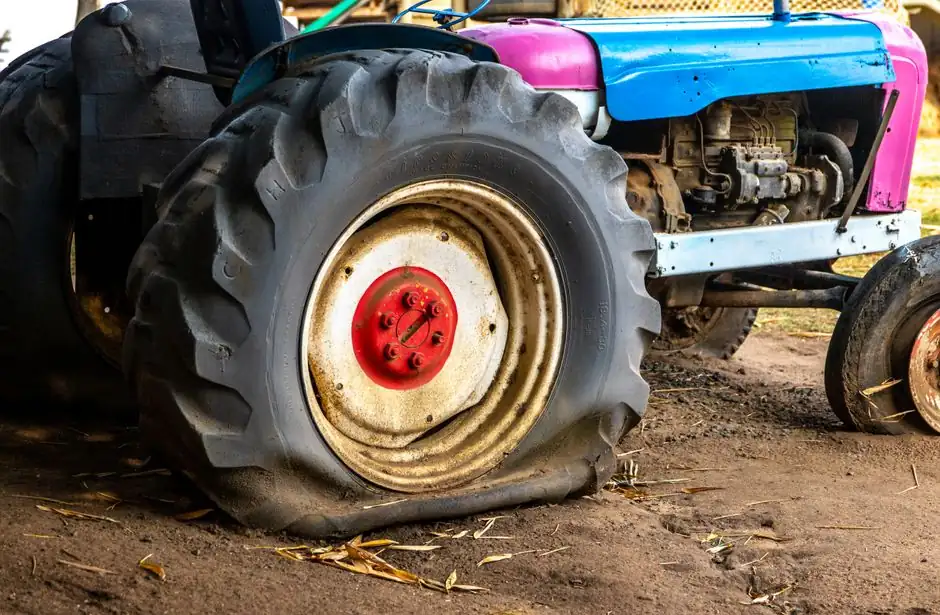
If you get a flat tire on a Riyadh highway, slow down gradually, move fully onto the right shoulder, switch on your hazards and get everyone out on the side away from traffic, ideally behind the barrier. Then decide calmly whether you can fit the spare safely, or whether a flatbed should carry the car to the nearest tyre shop.
The tyre itself is rarely the real danger. The danger is trucks passing at 120 km/h a metre from where you are kneeling. This guide covers the first two minutes, when changing the wheel yourself makes sense and when it does not, what spares and repair kits can actually do, what towing to a tyre shop costs in 2026 and the mistakes that turn a flat into an accident.
A highway flat tire is a sudden loss of air pressure while driving at speed that makes the car unsafe to continue and needs either a wheel change in a safe spot or transport to a tyre shop.
The first two minutes after a tyre goes flat
The first two minutes after a flat on a Riyadh highway decide whether the rest of the day is an inconvenience or something worse. You will usually feel it first: a pull to one side, a flapping noise, or a heavy vibration through the steering wheel.
- Do not brake hard. Hold the wheel firmly, ease off the accelerator and let the car slow on its own before light braking.
- Signal and move right. Aim for the widest part of the shoulder, past any curve or bridge, even if it means rolling slowly for another 200 to 300 metres on the flat. A ruined tyre costs less than a dangerous stop.
- Hazards on, wheels turned away from traffic. Apply the handbrake and put an automatic in P.
- Everyone out on the passenger side. Children and older passengers first, then walk them behind the barrier or well up the verge.
- Warning triangle, if you have one. On a highway, place it at least 100 metres behind the car, walking along the verge, not the lane.
- Note your location. The kilometre marker, the last exit you passed and your direction of travel. Share it on WhatsApp so nobody has to guess.
Only once all of this is done should you think about the tyre.
Should I change a flat tire on the highway myself?
You should change a flat tire on a Riyadh highway yourself only if the flat wheel is on the side away from traffic, the shoulder is wide and flat, it is daylight, and you have done it before with a working jack and a spare that holds air. If any one of those is missing, it is safer to wait for help.
The flat wheel being on the traffic side is the most common reason to stop. Kneeling beside a live lane on the Southern Ring Road, with heavy trucks heading to the industrial areas, is not worth the 20 minutes you save. Soft sand on the verge is the second reason: a jack on sand can sink or tip while the car is in the air.
Many drivers also discover that the spare has lost pressure after months in the boot, or that the locking wheel nut key is missing. If the spare is flat too, changing the wheel is no longer an option, and the car needs to ride to a tyre shop.
Space-saver spares, run-flats and repair kits
Space-saver spares, run-flat tyres and repair kits each get you a short distance in Riyadh, but none of them is a full fix, and each has limits worth knowing before you rely on it.
Space-saver spare
The thin temporary spare in many saloons is usually rated for about 80 km/h. It is meant to reach a tyre shop, not to cross the city at highway speed for a week.
Run-flat tyres
Run-flats, common on some German cars, can usually carry on for around 80 km at up to 80 km/h after losing pressure, according to most manufacturers. In summer heat that distance can be shorter, so check your handbook rather than guessing.
Sealant and compressor kits
Many newer cars and most electric models have no spare at all, only a sealant kit. These work for a small puncture in the tread. They do not fix a sidewall cut, a torn tyre or a wheel that has come off the rim, which are the usual results of a highway blowout.
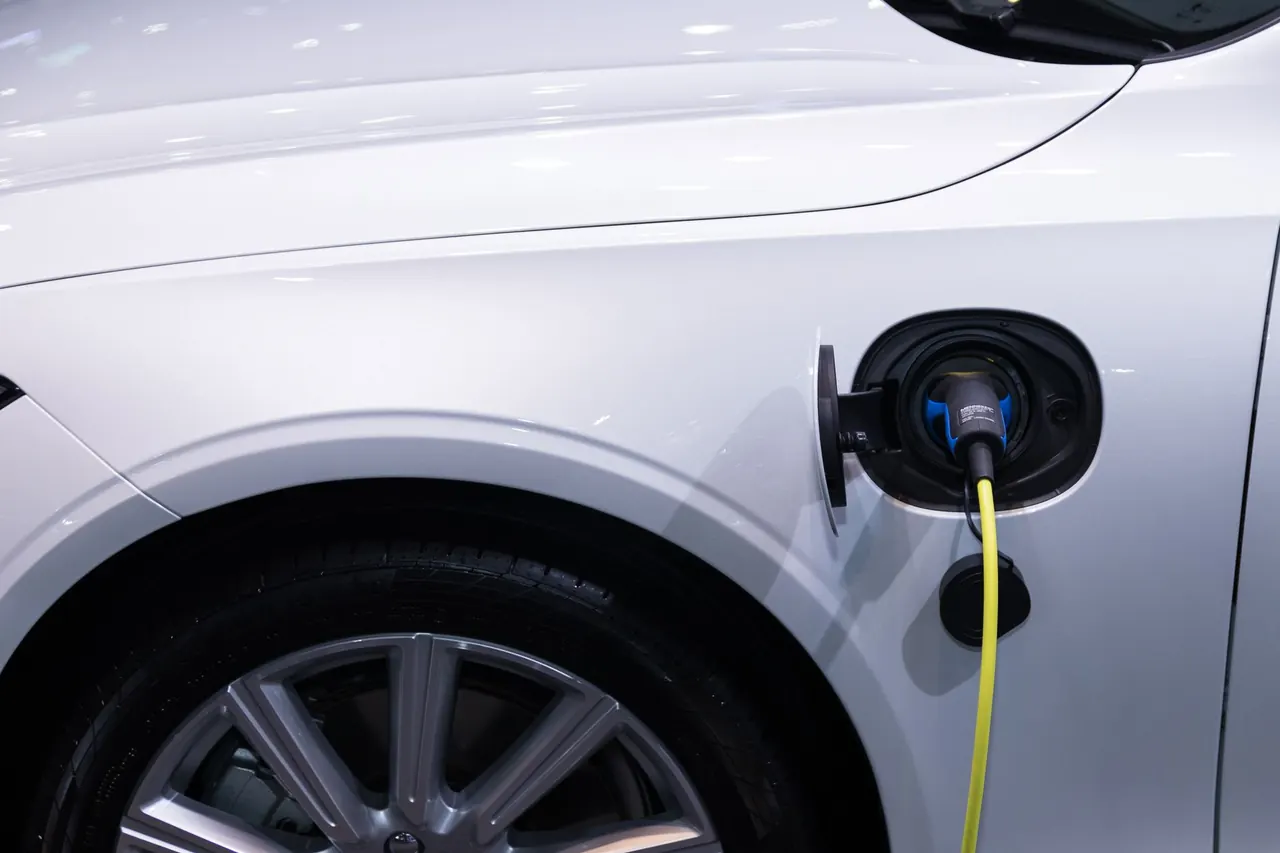
Drivers of EVs and hybrids are the most likely to find no spare in the boot. In that case, moving the car fully on a flatbed protects the motor and the wheels, which is how we handle Electric and Hybrid Car Towing in Riyadh.
How much does it cost to tow a car with a flat tire in Riyadh?
Towing a car with a flat tire to a tyre shop in Riyadh typically costs 90 to 150 SAR in 2026 when the shop is within 15 km, which covers most cases inside the ring roads.
On outbound highways the distance to the nearest open tyre shop is often longer, so the price follows the longer bands: 150 to 250 SAR for 15 to 30 km and from 220 SAR beyond that. Luxury cars start from 150 SAR because they need softer straps and more care at the wheels.
The price is the same at 3 am as at noon. We do not change tyres on the road, and we do not carry spare tyres. What we do is load the car fully on the flatbed and drop it at a tyre shop you choose, or at one that is open at that hour if you do not know the area.
Why tyres fail so often on Riyadh roads
Tyres fail on Riyadh roads more often than in milder cities because of three things working together: heat, load and debris.
- Heat. Asphalt in Riyadh can pass 60°C in summer, and even in October, daytime air temperatures still sit in the mid-30s. Hot rubber on a hot road loses strength quickly, especially in older tyres.
- Under-inflation. A tyre that is 20 to 30 percent below the recommended pressure flexes more and heats up faster. Check pressure in the morning when the tyres are cold.
- Age. Tyres older than about five years can crack even with good tread. The four-digit date code on the sidewall shows the week and year of manufacture.
- Debris. Truck tyre fragments, bolts and construction leftovers are common on the routes to the industrial zones.
The stretch south of the city toward Al Kharj sees all four together: heavy freight, long hot runs and plenty of debris on the shoulder. The tyre shops and safe stopping points along that route are covered on the Towing service in Riyadh Al Kharj Road page.
Common mistakes with a highway flat
The mistakes we see most often after a flat on a Riyadh highway are made in the first few seconds or the first few minutes:
- Braking hard the moment the tyre goes, which can make the car swerve.
- Stopping in the lane or half on the shoulder instead of rolling slowly to a safer spot.
- Staying inside the car, or standing between the car and the traffic.
- Starting to change the wheel on the traffic side.
- Driving on a temporary spare at full highway speed for days.
- Driving on a completely flat tyre for kilometres, which destroys the rim and can damage suspension parts.
- Ignoring the tyre pressure warning light because "the car feels fine".
Most of these come from rushing. Two calm minutes at the start matter more than anything else.
When to call a professional
A professional tow in Riyadh is the right call when the flat is on the traffic side, there is no usable spare, the rim or tyre is torn, or you simply do not feel safe doing it yourself.
It is also the right call for a blowout on the ring roads at night, when the shoulder is dark and drivers behind you are tired. On the busier eastern and southern stretches, the guidance on the Towing service in Southern Ring Road page covers how we reach a car stopped on that section and where we load safely.
Habib Satha Towing handles flat tyres as part of Breakdown Towing in Riyadh: the car goes fully on the flatbed, and we deliver it to the tyre shop you choose, with the price agreed before we move.
Get help with towing service in Riyadh
Stuck on the shoulder with a flat? WhatsApp your location or call 0583399475 for a written price and an honest arrival time.